Managing Piercing Appointments: Your 2026 Guide

TL;DR:
- Proper piercing management involves careful booking, understanding session limits, and following thorough aftercare. Most studios restrict appointments to two or four piercings to support healing and prevent complications. Patience and discipline in preparation, during the procedure, and aftercare are essential for optimal results.
Managing piercing appointments is the process of scheduling, preparing for, and following up on your piercing sessions to get the best experience and the healthiest healing. The industry standard for a single session runs 15 to 45 minutes depending on complexity, and most reputable studios cap sessions at 2–4 piercings to protect your body’s ability to heal. Getting this right means knowing the booking rules before you walk in, showing up ready, and following through on aftercare. This guide covers every step, from deposit policies and session limits to what to eat before your appointment and how to clean a fresh piercing.
How do you effectively book and schedule piercing appointments?
Booking a piercing appointment is more structured than most people expect. Professional studios treat the process like a medical intake, not a walk-in service, and that structure exists to protect both you and the piercer.
Understanding deposits and cancellation policies
Most reputable studios require a booking deposit upfront. Deposits and cancellation policies are standard practice, and missing the cancellation window, typically 48 hours before your appointment, means forfeiting that deposit. This policy exists because piercers set up sterile equipment specifically for your session. A last-minute cancellation wastes that preparation and blocks another client from taking your slot.
When you book, read the cancellation terms carefully. If something comes up, contact the studio as early as possible. Most studios will work with you if you give them enough notice.
Arrival time and intake forms
Studios require clients to arrive 10–15 minutes early to complete intake forms and go through a pre-appointment briefing. Arriving late is not just inconvenient. It can result in outright cancellation and a forfeited deposit because the piercer’s sterile setup has a limited window before it needs to be redone.
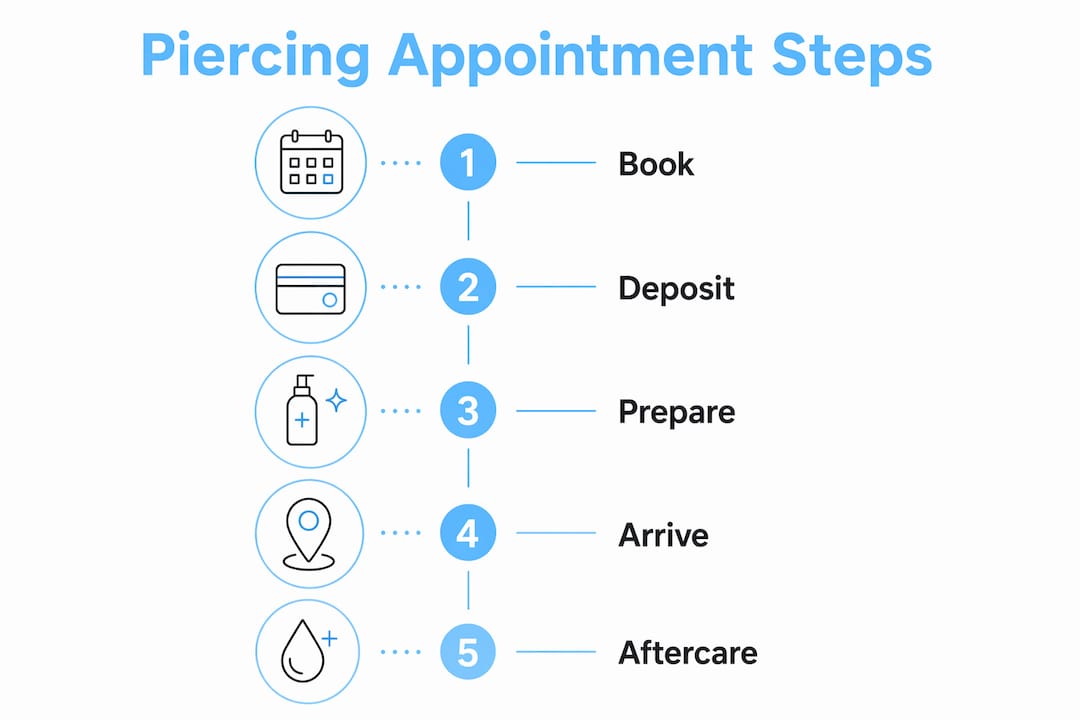
The intake form covers your health history, allergies, and consent. Fill it out honestly. Conditions like blood-thinning medications, skin sensitivities, or autoimmune issues affect how your piercer approaches the session.
Automated reminders and confirmation
Automated reminders sent via SMS or email are now standard in professional studios. These reminders typically go out at 48 hours and again at 24 hours before your appointment. They reduce no-shows and give you a clear prompt to cancel in time if your plans change. If your studio sends a confirmation request, respond to it. Ignoring a confirmation can result in your slot being released.
Here is a simple booking checklist to follow:
-
Choose your piercing type and research the studio’s portfolio before contacting them.
-
Confirm the deposit amount and payment method when booking.
-
Read the cancellation policy and note the deadline in your calendar.
-
Respond to any confirmation messages the studio sends.
-
Arrive 10–15 minutes early with all required documents.
Pro Tip: Screenshot or save your booking confirmation and the studio’s cancellation policy. If a dispute arises over a deposit, having that documentation protects you.
What are the guidelines and limits on piercing session timing?
Session limits are one of the most misunderstood parts of piercing appointment management. Many clients assume they can knock out five or six piercings in one visit. The reality is more conservative, and for good reason.
Standard session durations
A typical appointment lasts 30 minutes on average but can stretch to 45 minutes when multiple piercings are involved. That time includes consultation, sterilization, placement marking, and the actual piercing. Rushing any of those steps increases the risk of misplacement or contamination.
Simple lobe piercings run closer to 15 minutes. Cartilage work, septum piercings, and surface piercings take longer because placement precision matters more and the tissue is denser.
How many piercings can you get in one session?
Responsible studios allow no more than 4 piercings per session, with a maximum of 2 cartilage piercings in a single visit. This limit protects your body by preventing excessive trauma to multiple sites at once. When you pierce several areas simultaneously, your immune system has to manage healing across all of them at the same time, which slows recovery and raises infection risk.
“Limiting piercings per session is about biological healing, not profitability. Too many piercings in one area cause prolonged trauma and risk infection.” This is the clearest explanation for why studios hold firm on session caps, even when clients push back.
Overloading piercings on the same ear or cartilage causes excessive swelling that can distort placement and trap bacteria. If you want multiple piercings in the same area, spacing sessions 4–8 weeks apart gives each site time to settle before adding more.
| Piercing type | Typical session duration | Max per session | Suggested spacing between sessions |
|---|---|---|---|
| Lobe | 15–20 minutes | 4 | 4 weeks |
| Cartilage | 20–30 minutes | 2 | 6–8 weeks |
| Septum or nostril | 20–30 minutes | 1–2 | 6 weeks |
| Surface or dermal | 30–45 minutes | 1–2 | 8 weeks |
Understanding these limits before you book helps you plan a multi-piercing project realistically. Check out the types of piercing services available to map out your full plan before your first appointment.
What should clients do to prepare before a piercing appointment?
Preparation directly affects how smoothly your session goes and how well you heal afterward. Clients who show up unprepared are the most likely to have appointments canceled or to experience complications.
Documents and identification
Clients must bring valid government-issued ID to every appointment. Minors require a parent or legal guardian to be physically present and to provide signed consent. Missing either of these results in rescheduling and, in most cases, forfeiture of the deposit. Do not assume the studio will make exceptions.
Acceptable ID typically includes a driver’s license, state ID, or passport. A school ID alone is not sufficient at most studios.
Diet, hydration, and physical readiness
What you eat and drink before your appointment matters more than most people realize. Arriving well-fed reduces the risk of lightheadedness or fainting during the procedure. Eat a full meal within two hours of your appointment. Drink water consistently throughout the day beforehand.
Avoid alcohol for at least 24 hours before your session. Alcohol thins the blood, which increases bleeding and slows clotting. Caffeine in large amounts can also heighten anxiety and sensitivity, so keep it moderate on appointment day.
Choosing jewelry and clothing
Wear clothing that gives easy access to the area being pierced. If you are getting a collarbone or chest piercing, a loose top or button-down makes the process much easier. For ear work, pull your hair back before you arrive.
Discuss jewelry material with your piercer before the appointment. Implant-grade titanium and implant-grade steel are the standard starting materials for fresh piercings. Avoid costume jewelry or mystery-metal pieces, even if they look similar.
Here is a preparation checklist to bring to every appointment:
-
Valid government-issued photo ID (plus parental consent forms for minors)
-
A full meal eaten within two hours of the session
-
Comfortable, loose clothing that exposes the piercing site
-
Hair tied back if getting ear or neck work
-
A list of any medications or health conditions to share with your piercer
Pro Tip: If you are nervous about pain, tell your piercer before the session starts. They can walk you through the exact steps, which reduces anxiety and helps you stay still during the procedure.
How do you manage aftercare following a piercing appointment?
Aftercare is where most healing problems start. The piercing itself takes seconds. The healing process takes weeks or months, and what you do during that time determines the outcome.
Healing timelines by piercing type
Lobe piercings typically heal in 6–8 weeks. Cartilage piercings take significantly longer, often 12–24 weeks, because cartilage has less blood flow than soft tissue. Surface piercings and dermals can take six months to a year. Knowing your timeline sets realistic expectations and helps you plan follow-up appointments correctly.
Do not change your jewelry before the minimum healing time is up, even if the piercing looks healed on the outside. Internal tissue takes longer to close than surface skin.
Cleaning and daily care
Follow these steps for standard aftercare:
-
Clean the piercing twice daily using a sterile saline solution. Spray directly onto the site and let it air dry.
-
Do not rotate or twist the jewelry. This is outdated advice that causes micro-tears and delays healing.
-
Keep the area dry after showering. Pat gently with a clean paper towel, not a cloth towel, which harbors bacteria.
-
Avoid swimming in pools, lakes, or hot tubs for the first 4–6 weeks. These environments introduce bacteria directly to an open wound.
-
Sleep on a clean pillowcase. If the piercing is on your ear, use a travel pillow to keep pressure off the site.
Normal symptoms versus warning signs
Some redness, mild swelling, and clear or white discharge are normal in the first two weeks. These are signs your body is healing. Symptoms that require attention include increasing redness that spreads beyond the piercing site, yellow or green discharge, significant warmth, or a fever. These point to infection and need prompt evaluation by a healthcare provider.
Schedule a follow-up booking with your studio if you have concerns about healing. Most piercers offer check-ins and can assess whether the jewelry needs to be changed or the site needs professional attention.
Key Takeaways
Effective piercing appointment management requires preparation before, discipline during, and consistent aftercare after every session.
| Point | Details |
|---|---|
| Book with a deposit and read the policy | Most studios require deposits and enforce a 48-hour cancellation window to protect your slot. |
| Arrive 10–15 minutes early | Late arrivals risk cancellation and deposit loss because sterile setups have a limited preparation window. |
| Stick to session limits | Studios cap sessions at 2–4 piercings to prevent excessive trauma and support healthy healing. |
| Prepare your body and documents | Eat a full meal, bring valid ID, and wear accessible clothing to avoid rescheduling. |
| Follow aftercare by piercing type | Lobes heal in 6–8 weeks; cartilage takes 12–24 weeks. Clean twice daily with saline and avoid early jewelry changes. |
What I have learned from watching clients get this wrong
The single most common mistake I see is clients treating a piercing appointment like a casual errand. They show up five minutes late, forget their ID, and then act surprised when the studio turns them away. The deposit is gone. The slot is gone. And the frustration is entirely avoidable.
The second mistake is pushing session limits. I have talked to clients who negotiated their way into five piercings in one visit at a less careful studio, and then spent months dealing with prolonged swelling, irritation bumps, and one piercing that never healed correctly. The session cap of 2–4 piercings is not arbitrary. It reflects how your immune system actually works.
What I advocate for is open communication with your piercer from the first contact. Tell them your full vision, including how many piercings you want and where. A good piercer will map out a realistic multi-session plan with you. That plan will account for healing time between sessions and give each piercing the best possible start. The studio appointment lifecycle matters as much as the piercing itself.
Aftercare is where I see the most self-sabotage. Clients do great for the first week and then get lazy. They skip cleanings, sleep on dirty pillowcases, and swap jewelry too early because they are impatient. The healing timeline is not a suggestion. Cartilage piercings that get changed at six weeks instead of twelve weeks almost always develop complications. Patience is the most underrated part of the whole process.
My honest advice: treat the studio’s guidelines as non-negotiable, not as starting points for negotiation. The people setting those rules have seen what happens when clients ignore them.
— Matthew
Ink link makes piercing bookings easier to manage
Keeping track of deposits, reminders, and multiple sessions across different appointments takes real organization. Ink link brings all of that into one place for both clients and studios.
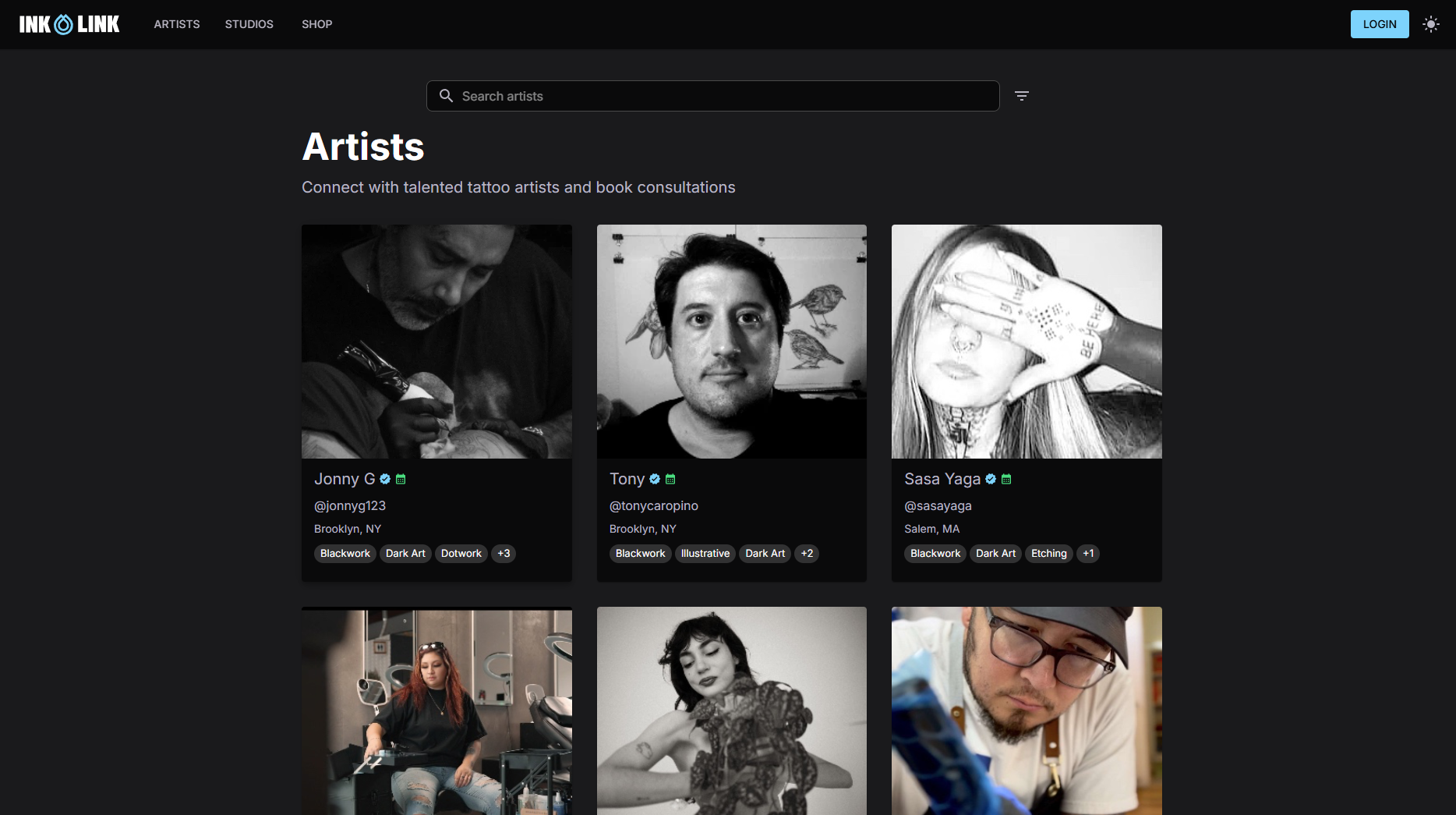
With Ink link, you can book piercing appointments online, pay deposits securely, and receive automated reminders before every session. Studios using Ink link send confirmation messages and manage rescheduling without back-and-forth messaging. If you are planning a multi-session piercing project, the platform tracks your appointment history so nothing falls through the cracks. Browse studios and artists on Ink link to find a piercer whose portfolio matches what you want, and book your first session directly through the platform.
FAQ
How long does a piercing appointment take?
Standard piercing appointments run 15–45 minutes depending on the type and number of piercings. The time includes consultation, sterilization, placement, and the procedure itself.
How many piercings can I get in one session?
Most professional studios limit sessions to 2–4 piercings total, with no more than 2 cartilage piercings at once. This limit exists to prevent excessive trauma and support healthy healing.
What happens if I cancel my piercing appointment late?
Missing the cancellation window, typically 48 hours before the appointment, results in forfeiture of your deposit. Contact the studio as early as possible if your plans change.
What ID do I need for a piercing appointment?
A valid government-issued photo ID is required at every appointment. Minors must have a parent or legal guardian present with signed consent documentation.
How long does a cartilage piercing take to heal?
Cartilage piercings take 12–24 weeks to heal, significantly longer than lobe piercings, which heal in 6–8 weeks. Clean twice daily with saline and avoid changing jewelry before the minimum healing time is complete.