Studio Appointment Lifecycle: A Tattoo Studio Guide

TL;DR:
- Managing the entire client journey from booking to follow-up is essential for studio growth. Online scheduling, swift onboarding, and effective appointment management increase retention and operational efficiency. Consistent post-appointment follow-up builds loyalty and encourages repeat business, supporting steady studio growth.
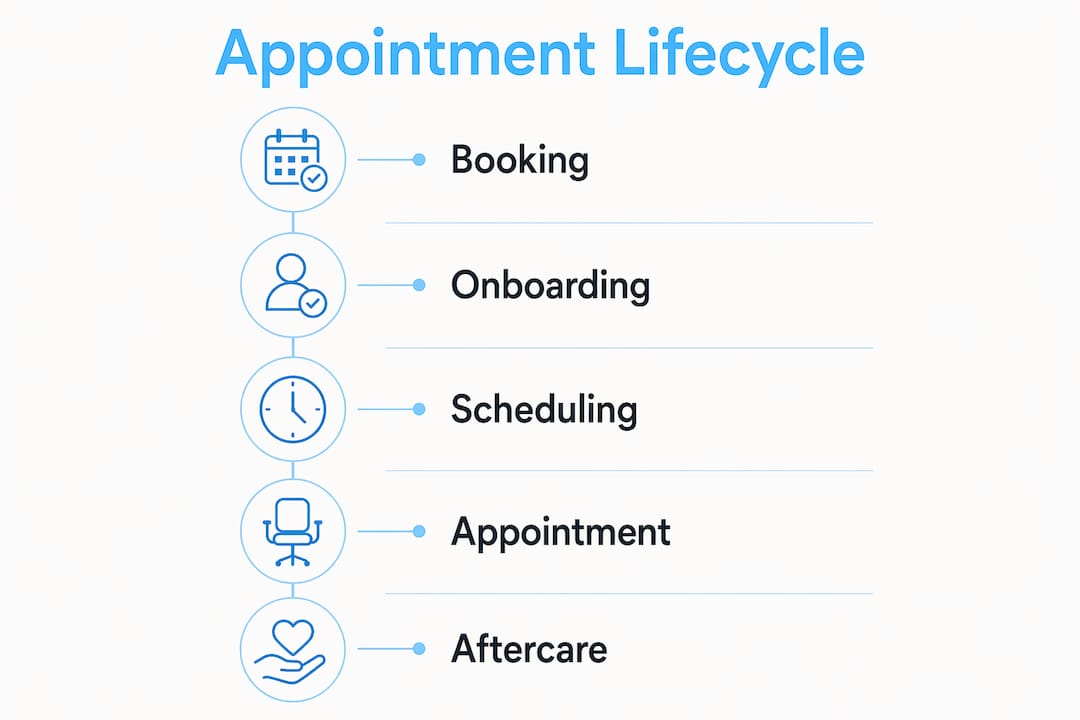
The studio appointment lifecycle is the complete sequence of steps a client moves through, from the moment they book a tattoo session to the follow-up message they receive days after leaving your chair. Managing this lifecycle well is the difference between a studio that fills its calendar on repeat and one that constantly chases new clients to replace lost ones. 46% of all appointments are now booked online, and 75% of beauty and wellness businesses have fully adopted self-service scheduling. Those numbers signal a clear shift: clients expect a frictionless booking experience before they ever walk through your door. Studios that manage every phase of the client journey, from first click to aftercare check-in, retain more clients and run more efficiently.
How has online booking transformed the appointment scheduling process for tattoo studios?
Online booking has removed the single biggest barrier in the appointment scheduling process: the phone call. Clients no longer wait for business hours to request a slot. They browse your portfolio, check availability, and confirm a session at midnight if they want to. That convenience directly increases booking conversion.
The core features that make a studio booking workflow effective are real-time availability, automatic calendar sync, and instant confirmation messages. Real-time availability prevents double bookings and removes the back-and-forth of manual scheduling. Calendar sync keeps every artist’s schedule current across devices. Instant confirmations tell the client the booking is locked in, which reduces anxiety and cancellation impulse.
The operational impact goes beyond convenience. Studios that use online self-service booking report fewer abandoned inquiries because clients get answers immediately instead of waiting for a reply. After-hours booking capability means your calendar fills while you sleep. Administrative time spent on scheduling drops, freeing artists to focus on their craft rather than their inbox.
Key features to look for in a studio booking workflow include:
-
Real-time calendar availability visible to clients at the point of booking
-
Automatic confirmation emails sent immediately after a booking is made
-
Multi-channel calendar sync so every artist sees updates instantly
-
After-hours booking access so clients can book any time, not just during studio hours
-
Deposit collection at booking to reduce no-shows before they happen
Pro Tip: Test the full client booking flow yourself before going live. Many studios only discover broken links and confusing steps after clients have already abandoned the process and taken their money elsewhere.
The studios that get this right treat their booking page as a first impression, not an afterthought. A clean, fast, mobile-friendly booking experience tells a client your studio is professional before they ever sit in the chair.
What are the key client onboarding steps in the studio appointment lifecycle?
Client onboarding is the phase between a confirmed booking and the actual appointment. Most studios skip it entirely. That is a costly mistake. Poor onboarding risks losing 25–35% of new clients within 90 days, and the tattoo industry is no exception.
The good news is that a structured onboarding process does not require hours of manual work. A seven-phase onboarding playbook adapted for tattoo studios looks like this:
-
Welcome message. Send an automated welcome email within 2 hours of booking. This is the most time-sensitive step. Automated welcome emails sent within 2 hours protect the early relationship and prevent buyer’s remorse before it takes hold.
-
Design discovery. Ask the client about their vision, reference images, placement, and size. A short intake form works well here.
-
Document and asset collection. Gather consent forms, medical history disclosures, and any reference photos the client wants to share.
-
Credentials and access. If your studio uses a client portal or app, send login details and a quick walkthrough so the client knows where to find their appointment details.
-
Kickoff conversation. A brief call or message from the assigned artist confirms the design direction and sets expectations for the session.
-
Internal handoff. The studio manager confirms the artist has all client information and the appointment is properly prepared on the calendar.
-
First-week review. After the appointment, check whether the onboarding process worked smoothly and note any gaps for next time.
Top-performing service businesses complete onboarding in 5 days or fewer. Speed matters because the window between booking and appointment is when clients are most likely to second-guess their decision. A structured checklist with clear ownership and deadlines closes that window fast.
Pro Tip: Assign each onboarding step to a specific team member with a deadline. When everyone knows who owns what, nothing falls through the cracks and clients feel cared for from day one. A free onboarding checklist template can give you a ready-made starting point.

The studios that nail client onboarding steps build trust before the needle touches skin. That trust is what turns a first-time booking into a long-term client relationship.
How to manage scheduling details and optimize appointment flow in your studio?
A centralized calendar is the foundation of any effective appointment management system. When every artist’s availability, room bookings, and session lengths live in one place, scheduling conflicts become rare and resource planning becomes straightforward. Studios that rely on separate calendars per artist, or worse, paper books, create gaps and overlaps that cost real money.
Buffer times are the most underused scheduling tool in tattoo studios. A 10–20 minute buffer between appointments prevents the cascade effect where one overrun session delays every appointment that follows. Buffer time is not just for cleaning and setup. It absorbs the reality that sessions run long, clients arrive late, and artists need a moment to reset. Neglecting buffer time leads to overtime, higher stress, and a noticeably worse client experience by mid-afternoon.
Cancellation policies need to be written, visible, and enforced. A policy that exists only in your head does not protect your revenue. Post it on your booking page, include it in the confirmation email, and collect a deposit at booking to back it up. Automated multi-layer reminders combined with written cancellation policies reduce no-show rates by 30–40%. That reduction directly translates to fewer empty chairs and more predictable income.
Scheduling best practices worth building into your workflow:
-
Centralized shared calendar accessible to all artists and studio managers in real time
-
10–20 minute buffer blocks between every appointment, not just long sessions
-
Automated reminders sent at 48 hours and 24 hours before each appointment
-
Written cancellation policy displayed at booking and included in confirmation messages
-
Utilization tracking to identify which time slots fill fastest and which consistently go empty
Pro Tip: Review your utilization data monthly. If certain artists or time slots consistently underperform, adjust your booking availability or promotion strategy before the pattern becomes a revenue problem.
Tracking utilization rates gives you the data to make scheduling decisions based on facts rather than gut feeling. A studio that reviews its numbers monthly improves faster than one that waits for a crisis to prompt a change.
What retention and aftercare strategies maximize client loyalty after appointments?
The appointment ends when the client walks out the door. The relationship does not. What you do in the 48 hours after a session determines whether that client books again or quietly disappears.
A follow-up within 48 hours significantly increases client retention, turning one-time visitors into recurring clients. The message does not need to be long. A short check-in asking how the healing is going, paired with aftercare instructions, shows the client you care about the outcome of their tattoo, not just the transaction. That personal touch is what consistent follow-up delivers that no discount or promotion can replicate.
Retention strategies that work for tattoo studios include:
-
Automated aftercare emails sent 24–48 hours after the appointment with clear healing instructions
-
Personalized check-ins from the artist at the one-week mark to address any healing questions
-
Loyalty incentives such as priority booking access or a discount on a touch-up session for returning clients
-
Rebooking prompts included in the follow-up message for clients who discussed future work during their session
-
Review requests sent at the two-week mark when the tattoo has healed and the client is most satisfied
Automated emails handle the timing and consistency, but the message itself should feel personal. Use the client’s name, reference the specific piece they got, and make the communication feel like it comes from a person, not a system. The goal is to make every client feel like a regular, even after their first visit.
Pro Tip: Build a simple client record for every booking that notes the piece, placement, and any future tattoo ideas the client mentioned. That record makes every follow-up feel personal and gives artists a head start on the next consultation. Ink link’s client management tools make this easy to maintain across your whole team.
The studios that grow fastest are not the ones with the most aggressive marketing. They are the ones whose clients come back and bring friends. Consistent aftercare follow-up is the most direct path to that outcome.
Key Takeaways
The studio appointment lifecycle succeeds when every phase, from online booking through post-appointment follow-up, is structured, automated where possible, and consistently executed by your team.
| Point | Details |
|---|---|
| Online booking is now standard | 75% of beauty and wellness businesses use self-service scheduling; clients expect it before they choose a studio. |
| Onboarding speed protects revenue | Complete client onboarding in 5 days or fewer to avoid losing 25–35% of new clients before their first session. |
| Buffer times prevent schedule collapse | Schedule 10–20 minutes between appointments to absorb overruns and protect service quality throughout the day. |
| Reminders and policies cut no-shows | Automated multi-layer reminders combined with a written cancellation policy reduce no-shows by 30–40%. |
| Follow-up within 48 hours builds loyalty | A personal check-in after the session is the single most effective way to convert a one-time client into a regular. |
What I’ve learned from watching studios get the lifecycle wrong
Most studio owners I talk to focus almost entirely on the booking step. They invest in a great portfolio, a clean website, and a booking button. Then they treat everything after the confirmation email as someone else’s problem. That is where the lifecycle breaks down.
The onboarding gap is the most common and most expensive mistake. A client books, gets a confirmation, and then hears nothing for two weeks until a reminder pops up the day before their appointment. In that silence, doubt grows. They start wondering if they chose the right studio, the right artist, the right design. A simple intake message sent within a few hours of booking eliminates most of that doubt. It costs almost nothing to send and protects a relationship that took real effort to create.
Buffer times are the second thing I see studios underestimate. Every owner knows sessions run long sometimes. But very few build that reality into their schedule. The result is a studio that runs perfectly until noon and then falls apart for the rest of the day. Artists get stressed, clients wait, and the experience suffers. Fifteen minutes of buffer time between sessions is not lost revenue. It is the insurance that keeps your afternoon from unraveling.
The aftercare follow-up is where I see the biggest missed opportunity. Studios that send a personal check-in after a session get reviews, referrals, and rebookings at a rate that no advertising budget can match. The message takes two minutes to write. The return on that two minutes is a client who tells three friends about their experience. That is the most cost-effective growth strategy available to any studio, and most owners skip it entirely.
The lifecycle is not complicated. It just requires consistency. Build the process once, automate what you can, and review it every few months. The studios that do this grow steadily. The ones that treat each appointment as a one-off transaction stay stuck.
— Matthew
Ink link makes the full appointment lifecycle manageable
Running a tattoo studio means wearing a lot of hats. Ink link is built to take the scheduling and client management work off your plate so you and your artists can focus on the craft.
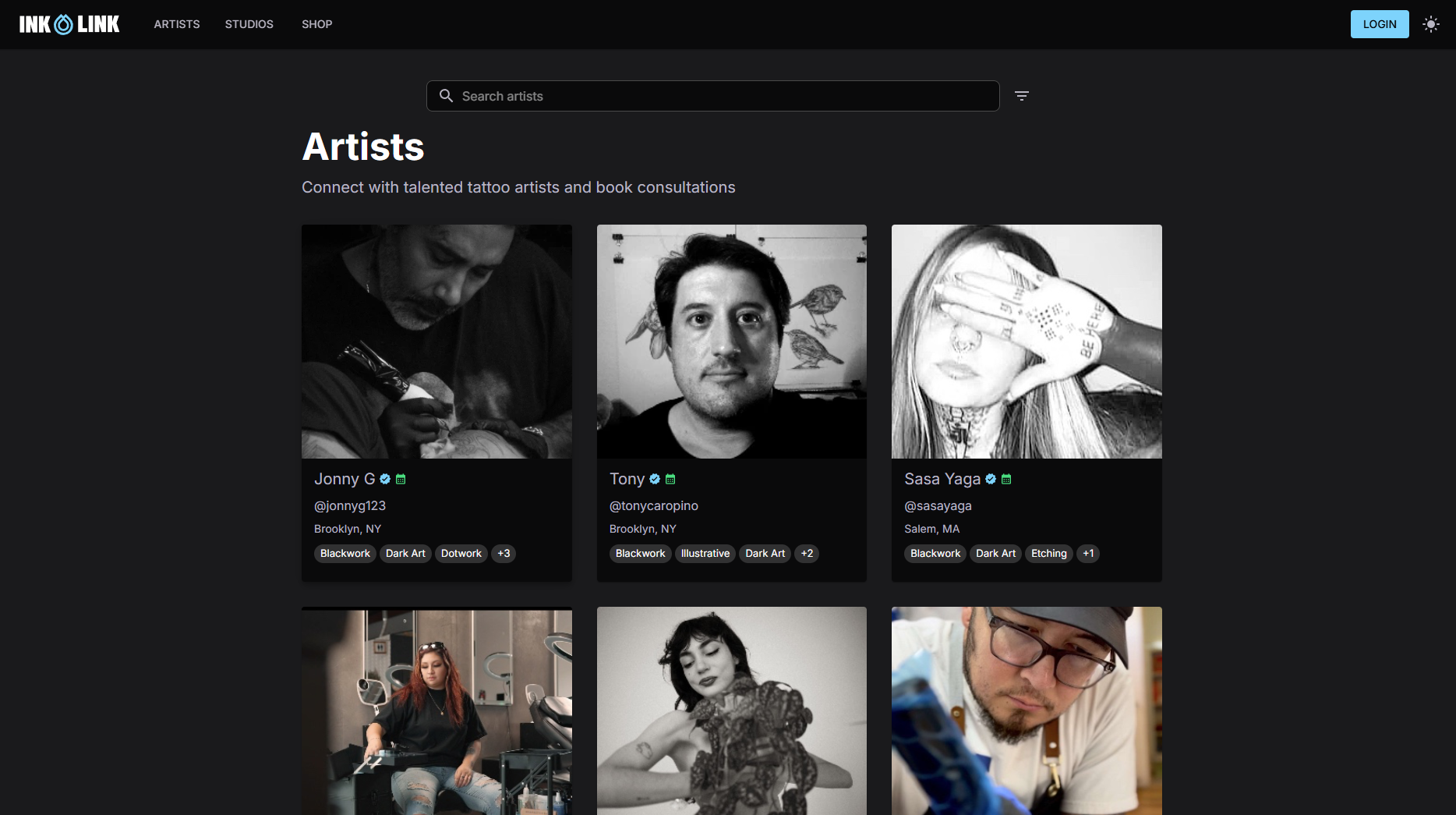
With Ink link, clients book directly through your studio profile, see real-time availability, and receive automatic confirmations and reminders without any manual work from your team. You can set buffer times, manage cancellation policies, and keep every artist’s calendar in one shared view. Client records stay organized so follow-ups feel personal, not generic. Whether you manage a single-artist shop or a multi-room studio, Ink link gives you the tools to run a tighter, more client-focused operation. See how studios like Old Traditions Tattoo Parlor use the platform to manage their full booking workflow from first inquiry to final follow-up.
FAQ
What is the studio appointment lifecycle?
The studio appointment lifecycle is the full sequence of client interactions from initial booking through post-appointment follow-up. It includes online booking, onboarding, scheduling management, the session itself, and aftercare communication.
How does online booking improve the appointment scheduling process?
Online booking removes phone-tag delays and allows clients to book any time, including after hours. Studios using self-service scheduling see fewer abandoned inquiries and higher booking conversion rates.
What are the most important client onboarding steps for tattoo studios?
The most critical steps are sending a welcome message within 2 hours of booking, collecting design references and consent forms, and confirming session details with the assigned artist before the appointment date.
How do buffer times affect studio scheduling?
A 10–20 minute buffer between appointments prevents one overrun session from delaying the entire day. This reduces artist stress and keeps the client experience consistent from the first appointment to the last.
How soon should a studio follow up after an appointment?
Follow up within 48 hours. A check-in message at that point, paired with aftercare instructions, is the most effective way to build client loyalty and increase the chance of a repeat booking.