Steps for Building a Tattoo Brand That Lasts
TL;DR:
- Building a tattoo brand requires mastering your craft, establishing a clear identity, and maintaining authenticity. A strong portfolio, legal setup, and community engagement are essential for growth and loyalty. Using authentic content and efficient management tools helps sustain long-term success and reputation.
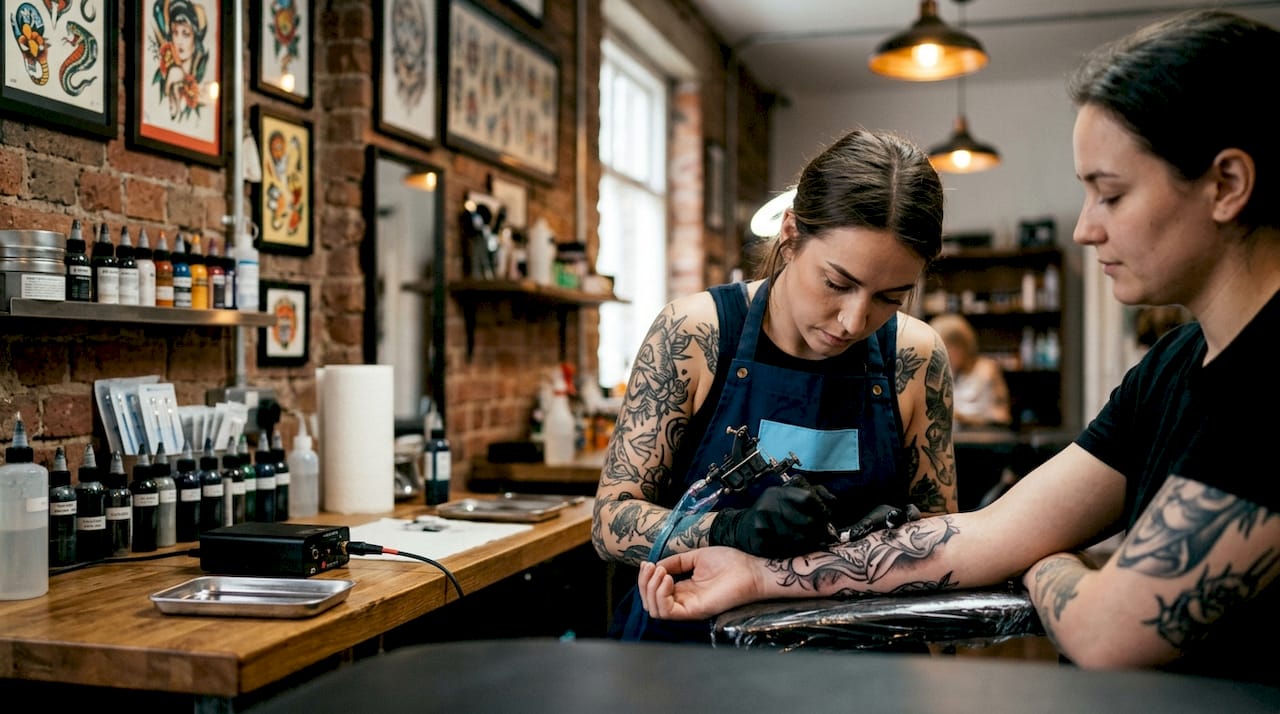
Tattoo brand development is the process of turning your artistic skill into a recognized identity that clients seek out, trust, and recommend. The steps for building a tattoo brand go far beyond choosing a logo or posting on Instagram. They require a clear artistic voice, a legal foundation, a consistent digital presence, and genuine relationships with your clients. Whether you are preparing for your first studio chair or ready to open your own shop, this guide gives you the concrete steps to build a brand that grows with you.
1. Steps for building a tattoo brand start with mastering your craft
Your brand is only as strong as the work behind it. Clients choose artists based on skill first, and no amount of marketing fixes weak technique. A tattoo apprenticeship typically runs 18–24 months and covers bloodborne pathogen training, safety protocols, and supervised client work. That timeline exists for a reason. Rushing it produces inconsistent results that follow your name online for years.
During your apprenticeship, pay attention to what draws you in artistically. Your distinctive style is the core of your brand identity. Artists who specialize in a clear aesthetic, whether that is fine line botanical work, bold American traditional, or geometric blackwork, attract clients who specifically want that look. Trying to do everything for everyone produces a portfolio that stands for nothing.
Build your portfolio with healed work, not just fresh tattoos. Fresh ink looks vivid in photos, but healed results show clients what they will actually live with. Include a range of skin tones and body placements to demonstrate real versatility.
-
Photograph healed pieces at 6–8 weeks post-session
-
Include close-up detail shots alongside full-placement images
-
Show your range within your specialty, not outside it
-
Organize your portfolio by style so clients can find their fit quickly
Pro Tip: Film short behind-the-scenes clips of your setup, stencil placement, and shading process. This content builds authenticity faster than any finished photo because it shows clients how you work, not just what you produce.
2. Define your brand identity before you design anything
Brand identity in the tattoo industry means the combination of your artistic style, your values, your communication tone, and the visual language you use across every touchpoint. Most artists skip this step and go straight to designing a logo. That produces a brand that looks inconsistent because the visuals have no foundation.

Start by writing down three things: who your ideal client is, what feeling your work gives them, and what you stand for as an artist. An artist who specializes in dark surrealism for clients who want emotionally charged, one-of-a-kind pieces has a very different brand than one who does cheerful illustrative flash for walk-in clients. Both are valid. Neither works without clarity.
Your brand name, logo, color palette, and font choices should all reflect the answers to those three questions. A fine line artist who uses heavy black metal fonts sends a confusing signal. Consistency across your business card, website, Instagram bio, and studio signage tells clients you are professional and intentional.
3. Build a digital presence that works for local search
A professional website and an active Google Business Profile are the two most important digital assets for a tattoo artist building a local client base. A Google Business Profile set up before your launch boosts local search visibility and starts collecting reviews early. Your first 10 reviews carry significant weight in local rankings. Ask every satisfied client to leave one.
Your website needs four things: a portfolio gallery, a clear description of your style and specialties, a booking or inquiry form, and your location and contact details. Keep it fast and mobile-friendly. Most clients browse on their phones while thinking about their next piece.
Social media is where your brand lives day to day. Posting 3–4 times per week using rotating content buckets keeps your profile active without burning you out. Effective content buckets include:
-
Finished work on healed skin
-
Process and behind-the-scenes content
-
Flash availability and booking announcements
-
Personal story posts that share your values and journey
-
Client testimonials or reaction moments
Respond to every comment and DM promptly. Community engagement signals to the algorithm that your content is worth showing, and it signals to potential clients that you are approachable and professional.
4. Keep your content authentic to tattoo culture
Authenticity is the currency of the tattoo world. Clients in this space are highly attuned to what feels real versus what feels manufactured. Over-polished content, stock imagery, and AI-generated visuals all erode the trust you are trying to build. Show real tattoos on real skin in real lighting. Imperfect photos of genuine work outperform studio-lit composites every time.
Using AI tools to schedule posts, draft captions, or manage your inbox is fine. Using AI to generate images of tattoos or fake client reactions is not. The tattoo community notices, and the backlash moves fast on social media. Your visual content must always be your actual work on actual people.
Automating marketing tasks with AI is helpful for operations, but all visual content must stay authentic to tattoo culture to maintain client trust. That line is clear and non-negotiable for any artist serious about long-term brand building.
5. Handle licensing, legal setup, and studio requirements
Getting your legal and administrative foundation right is the most important step for solo tattoo studio owners. A mistake here costs money and time that new businesses cannot afford. Start by choosing your business structure. Most solo artists benefit from a sole proprietorship or single-member LLC for simplicity in the first 12 months. Choosing the correct legal status simplifies accounting and reduces administrative burden during your most demanding launch period.
Health department licensing is non-negotiable and takes longer than most artists expect. Health department inspections typically carry a 4–12 week backlog. Do not book your opening date or announce a launch until you have passed inspection. Many new studio owners lose deposits on events and marketing campaigns because they scheduled before receiving approval.
Opening a tattoo studio requires between $15,000 and $75,000 upfront depending on whether you rent a booth, lease a space, or build out a full studio. That range reflects real differences in location, size, and equipment. Plan your budget around the high end and treat anything under that as a bonus.
Here is a simplified checklist for the legal and licensing phase:
-
Register your business name and structure with your state
-
Apply for your individual tattoo artist license through your state health board
-
Submit your studio floor plan for health department review
-
Schedule your health inspection and confirm zoning compliance
-
Set up a business bank account and basic bookkeeping system
-
Establish your deposit and cancellation policies before taking any bookings
Pro Tip: Set your deposit and cancellation policies in writing before you open. Clear policies protect your income and set a professional tone from day one. Ink link’s booking and deposit guide walks you through exactly how to structure these for your studio.
6. Build client relationships through storytelling and community
Tattoo purchases are driven by life events, not regular schedules. Clients get tattooed to mark milestones, process grief, celebrate identity, or commemorate relationships. Your brand needs to speak to those emotional moments, not just advertise availability. Storytelling is the tool that does this best.
Share the stories behind your pieces when clients give permission. Post about why a client chose a specific design, what it means to them, and how you translated that meaning into art. This kind of content creates emotional resonance that a photo of a finished tattoo alone cannot achieve.
“The most loyal tattoo clients don’t just buy ink. They buy into an artist’s world. When your brand reflects real values and real stories, clients feel like they belong to something. That belonging is what drives referrals, repeat visits, and the kind of word-of-mouth that no ad budget can replicate.”
Build community around your brand by hosting flash days, collaborating with local businesses, and participating in tattoo conventions. These events put your work in front of new audiences and reinforce your identity in your existing client base. Word-of-mouth referrals from happy clients remain the most effective marketing channel in the tattoo industry.
Gather reviews consistently and respond to every one of them. A thoughtful response to a five-star review shows future clients that you value your community. A professional response to a critical review shows that you handle problems with integrity.
7. Scale your tattoo brand without losing what makes it yours
Scaling a tattoo brand means growing your reach and revenue without diluting the quality and authenticity that built your reputation. The first decision most artists face is whether to stay in a booth rental arrangement or move toward studio ownership. Booth rental keeps overhead low and risk minimal. Studio ownership gives you full control over your brand environment but requires significantly more capital and operational management.
Before expanding, build financial projections that account for slow months. The tattoo industry has seasonal patterns, and a studio that looks profitable in summer can struggle in january and february without cash reserves. Plan for at least three months of operating expenses in reserve before signing a lease.
Collaborating with other artists is one of the most effective ways to grow your brand world. Guest artist spots, co-hosted flash days, and joint social media features expose your work to established audiences without paid advertising. Choose collaborators whose work and values align with yours. A collaboration that feels forced confuses your audience.
Brand membership models outperform simple subscription approaches in the tattoo space because they align with how clients actually buy. Clients return for tattoos at life-event intervals, not monthly. A membership that offers priority booking, exclusive flash access, or aftercare perks fits that pattern better than a recurring fee model.
Pro Tip: Use booking and calendar software to automate appointment reminders, follow-up messages, and deposit collection. This keeps your client experience consistent as you grow without requiring more of your personal time. Check out artist profiles on Ink link to see how working artists present their brand and manage bookings in one place.
Key takeaways
Building a lasting tattoo brand requires mastering your craft, establishing a clear identity, and maintaining authenticity at every stage of growth.
| Point | Details |
|---|---|
| Master your craft first | Complete a full 18–24 month apprenticeship before building a public brand presence. |
| Define your identity early | Clarify your style, values, and ideal client before designing any visual brand elements. |
| Get legal before you launch | Register your business, obtain licensing, and pass health inspection before announcing an opening date. |
| Authenticity drives loyalty | Show real work on real skin and share genuine client stories to build lasting community trust. |
| Scale with intention | Grow through artist collaborations and smart booking tools without sacrificing the quality that built your name. |
What I’ve learned about building a tattoo brand the right way
The artists I have seen build genuinely strong brands share one trait: they were patient. Not passive, but patient. They spent years refining their style before they worried about follower counts. They built relationships with clients before they built marketing funnels. And when they did start scaling, they had something real to scale.
The biggest mistake I see is artists treating their brand like a marketing problem when it is actually an identity problem. You cannot post your way to a strong brand if the work is inconsistent or the client experience is chaotic. The brand is the sum of every interaction a client has with you, from the first DM to the healed photo they send you six weeks later.
Licensing and inspections trip up more artists than almost anything else. The 4–12 week inspection backlog is real, and I have watched talented artists lose momentum because they announced a launch date before passing. Build that buffer into your timeline from the start. It is not pessimism. It is planning.
The community piece is what separates artists who plateau from those who keep growing. Clients who feel connected to your story and your values become advocates. They tag you in posts, refer their friends, and come back for their next piece without needing to be convinced. That kind of loyalty cannot be bought with ads. It is built through consistent, genuine engagement over time.
Balancing art, marketing, and business management is genuinely hard. The artists who do it well use tools to handle the operational side so they can stay focused on the creative side. Booking software, automated reminders, and clear deposit policies are not corporate moves. They are what let you stay an artist while running a real business.
— Matthew
How Ink link helps you build your brand and manage your bookings
Running a professional tattoo brand means more than great art. It means reliable bookings, clear deposit policies, and a client experience that reflects your reputation.
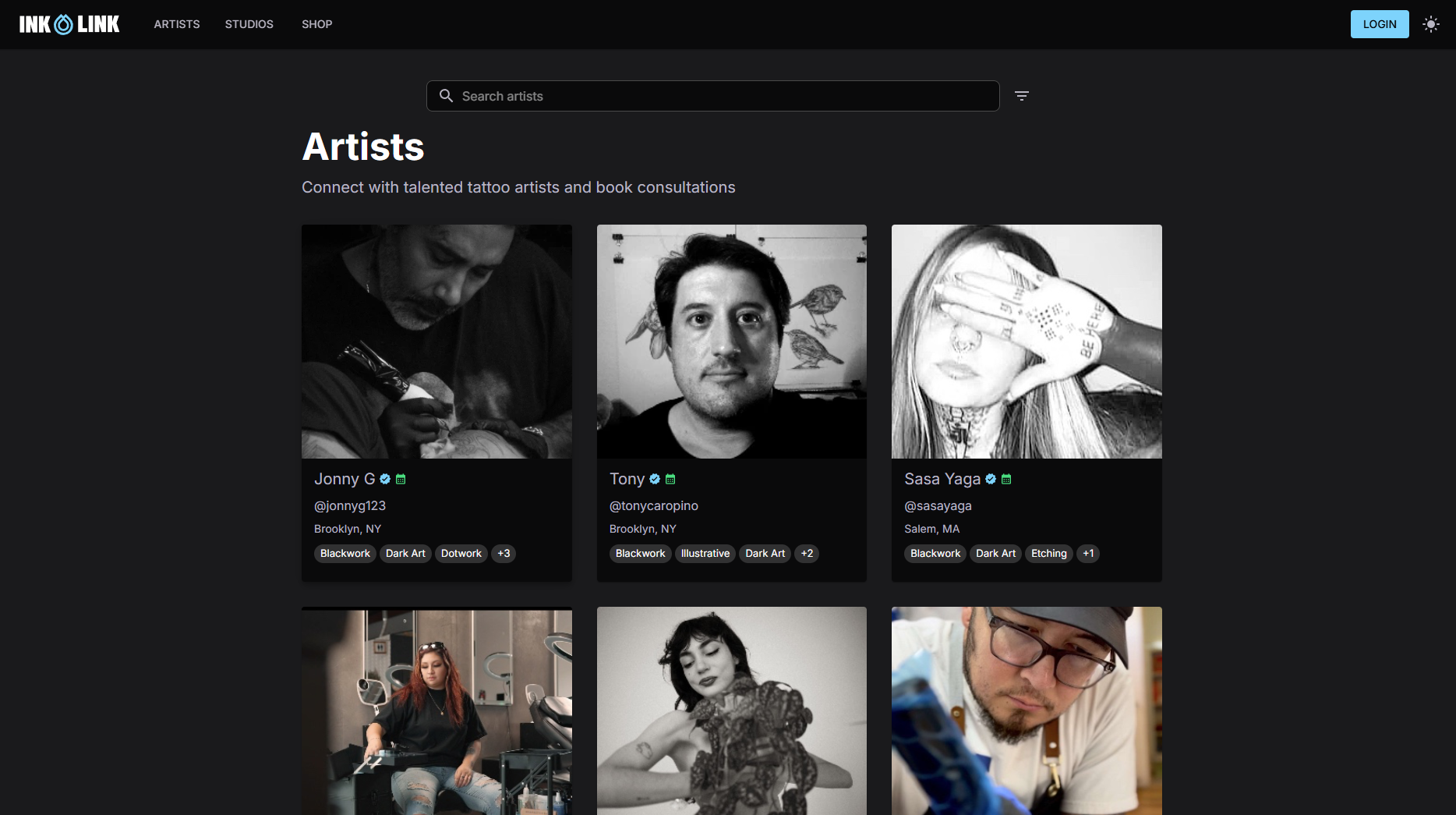
Ink link gives tattoo artists and studios a single place to manage portfolios, bookings, payments, and client records. Your studio profile on Ink link acts as a live portfolio and booking page that clients can find, browse, and use to request appointments directly. Deposit collection, calendar management, and client communication all happen in one place. That means less time on admin and more time doing the work that builds your brand. If you are ready to present your brand professionally and keep your bookings organized, Ink link is built for exactly that.
FAQ
How long does it take to build a tattoo brand?
Building a recognizable tattoo brand typically takes 2–4 years of consistent work, starting with a full apprenticeship of 18–24 months followed by deliberate portfolio and community building.
What licenses do I need to open a tattoo studio?
You need a state-issued tattoo artist license, a business registration, and a health department inspection approval. Inspection backlogs commonly run 4–12 weeks, so apply early.
How much does it cost to start a tattoo studio?
Opening a tattoo studio costs between $15,000 and $75,000 upfront depending on your location, space size, and whether you lease or build out a studio.
How often should tattoo artists post on social media?
Posting 3–4 times per week using rotating content buckets, such as finished work, process shots, and personal story posts, keeps your profile active and algorithm-friendly.
Why is authenticity so important in tattoo branding?
Tattoo clients are highly sensitive to manufactured or overly polished content. Showing real work on real skin and sharing genuine client stories builds the trust that drives referrals and long-term loyalty.