Types of Piercing Services: Your 2026 Body Mod Guide
TL;DR:
- Body piercing involves creating openings in skin or cartilage for decorative jewelry, with types varying in healing time, pain, and cost. The safest and most effective piercings are performed at licensed studios following industry standards, emphasizing sterile techniques and quality materials. Costs depend on placement complexity and jewelry quality, with professional advice crucial to ensure safety and proper healing.
Body piercing is defined as a professional service that creates an opening in skin or cartilage to hold decorative jewelry, categorized primarily by placement area and technique. The types of piercing services available today span everything from a simple lobe piercing to complex dermal anchors, each with distinct healing timelines, pain levels, and cost structures. Understanding these categories before you book protects your health and helps you get the result you actually want. The Association of Professional Piercers (APP) sets the industry benchmark for sterile technique, jewelry standards, and aftercare protocols that reputable studios follow.
1. What are the most popular types of ear piercings?
Ear piercings are the most common body piercing, with 60% of all piercings located in the head and neck area. That concentration reflects how much variety a single ear can hold, from the soft lobe to the firm cartilage ridge along the outer ear.
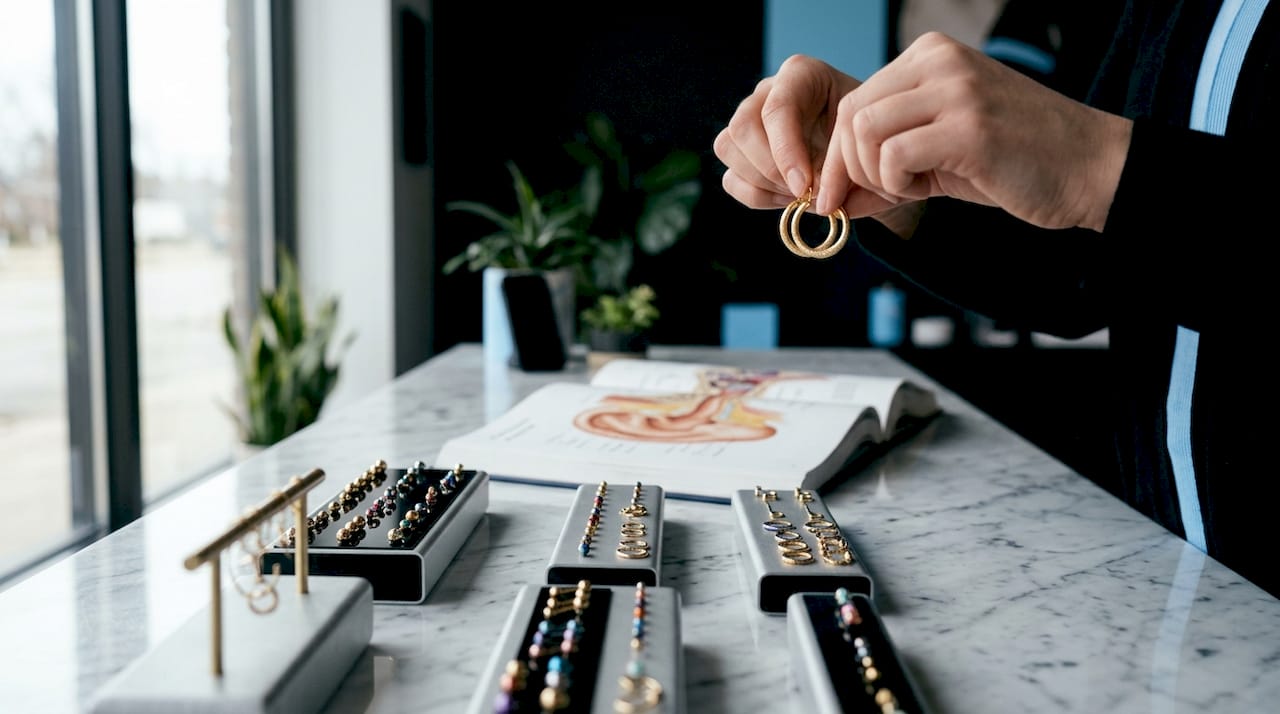
Lobe piercings are the entry point for most people. They heal in 6–8 weeks, accept a wide range of jewelry styles, and carry the lowest pain rating of any placement. Standard lobe piercings cost between $45–$60 at most professional studios. Stacked lobes, where two or three piercings sit close together on the lobe, have become one of the most requested looks in 2026.
Cartilage piercings take significantly longer to heal, typically 6–12 months, because cartilage has less blood flow than soft tissue. Common cartilage placements include:
-
Helix: The outer upper rim of the ear. Low pain, high visibility.
-
Tragus: The small nub of cartilage in front of the ear canal. Moderate pain.
-
Conch: The inner bowl of the ear. Accepts flat-back studs or hoops.
-
Rook: The inner ridge above the conch. Higher pain level, striking aesthetic.
-
Daith: The innermost fold of cartilage. Often chosen for its curved hoop look.
-
Industrial: Two helix piercings connected by a single straight barbell. Requires specific ear anatomy to work well.
The industrial piercing is a good example of why anatomy matters. Not every ear has the right ridge structure to support one safely. A professional piercer will assess your ear before agreeing to perform it.
Pro Tip: Ask your piercer to evaluate your ear anatomy before committing to a cartilage placement. A helix that sits too close to a rook can create healing conflicts when both are done at the same time.
2. Which facial piercing services are common?
Facial piercings cover a wide range of placements, and each one carries a different social visibility and healing profile. The most requested facial piercings in professional studios include:
-
Nostril: One of the most popular facial piercings globally. Heals in 4–6 months. Accepts studs and hoops.
-
Septum: Placed through the thin strip of tissue between the nostrils. Heals in 6–8 weeks when placed correctly. Easily hidden by flipping the jewelry up.
-
Bridge: Sits horizontally across the bridge of the nose. A surface piercing with higher rejection risk.
-
Eyebrow: A surface or curved barbell placement above the brow. Prone to migration over time.
-
Labret: Sits below the lower lip, centered. Heals in 6–8 weeks.
-
Monroe: Placed above the upper lip on one side, mimicking a beauty mark. Heals in 6–8 weeks.
-
Snake bites: Two symmetrical lip piercings, one on each side of the lower lip.
-
Tongue: Placed vertically through the center of the tongue. Heals quickly, in 4–6 weeks, but carries dental risk if jewelry is too long or heavy.
Jewelry material is especially critical for facial piercings. Skin on the face is more reactive than skin elsewhere on the body. Implant-grade titanium and solid gold are the recommended starting materials because they minimize allergic reactions and support clean healing. Avoid surgical steel with nickel content for initial piercings, particularly near the eyes or mouth.
Pain levels vary widely across facial placements. The tongue and septum are often described as sharp but brief. The bridge and eyebrow piercings involve surface tissue and tend to feel more like a prolonged pressure than a quick sting.
Pro Tip: For lip and tongue piercings, your starter jewelry will be longer than your final piece to accommodate swelling. Schedule your downsize appointment at 4–6 weeks, or the extra length can snag on teeth and gums.
3. What are common body piercing services and their care requirements?
Body piercings refer to placements below the neck, excluding the ears. They tend to involve more complex anatomy, longer healing periods, and higher service costs than ear or facial piercings.
-
Navel piercing: One of the most recognizable body piercings. Heals in 6–12 months because the navel flexes constantly with movement. Clothing friction is the primary healing obstacle.
-
Nipple piercing: Heals in 9–12 months for most people. Requires strict aftercare because the placement is covered by fabric throughout the day. Both flat and curved barbells are used.
-
Surface piercings: Placed on flat areas of skin, such as the collarbone, sternum, or nape of the neck. These carry a higher rejection rate than piercings through defined tissue. Surface and dermal piercings range from $70–$140 in most studios, reflecting the skill required.
-
Dermal anchors: Single-point piercings with no exit hole. A small anchor sits under the skin and a decorative top screws onto it. Popular on the chest, cheekbone, and lower back. Removal requires professional assistance.
-
Genital piercings: The most anatomy-dependent category. Professional piercers perform an anatomical assessment before agreeing to any genital placement. Healing times vary from 4 weeks to over a year depending on the specific piercing.
Anatomical assessment determines piercing viability, and high-risk placements like snake eyes tongue piercings are often refused by experienced piercers due to documented complications. That refusal is a sign of professionalism, not limitation.
Tissue rejection is the primary risk for surface and dermal piercings. The body treats the jewelry as a foreign object and slowly pushes it toward the skin surface. Signs of rejection include redness, thinning skin over the jewelry, and visible migration from the original placement.
Pro Tip: For navel and surface piercings, wear loose, breathable clothing for the first 3 months. Waistbands and tight fabrics are the leading cause of irritation bumps and extended healing times.
4. How do piercing studios ensure safety and quality?
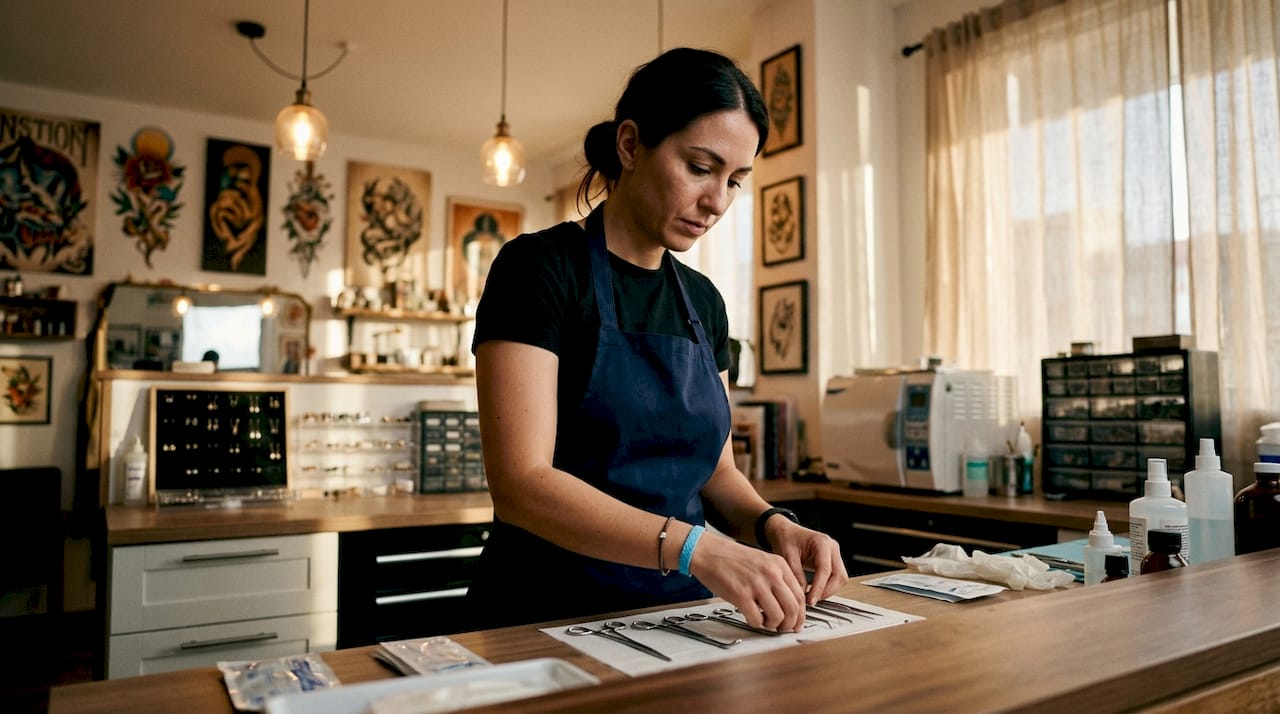
The shift toward clinical standards in piercing studios is one of the most significant changes in the industry over the past five years. Medical-grade piercing studios emphasize licensed nurses, clinical safety, and premium metals that improve trust and client outcomes compared to basic piercing services. That model is now spreading beyond specialty clinics into mainstream studios.
“Customers now seek peace of mind and clinical safety, not just a basic piercing. The industry is shifting toward a medical-graded, consultation-driven service where the experience matters as much as the result.”
The core safety standards that separate professional studios from low-quality operations include:
-
Single-use, sterile needles: Never reused between clients. Hollow needles cause less tissue trauma than piercing guns.
-
Autoclave sterilization: All reusable tools are sterilized in an autoclave, the same equipment used in medical settings.
-
Implant-grade jewelry only: APP-compliant studios stock implant-grade titanium (ASTM F136), implant-grade steel, niobium, and solid 14k or 18k gold for initial piercings.
-
Licensed professionals: Many states require a body art license. Studios operating without one are a red flag.
-
Consultation before procedure: Curated ear projects require consultation to map anatomy and plan placements that complement each other without creating healing conflicts.
Professional studios use longer starter bars to accommodate post-piercing swelling. This is standard practice, not a mistake. The starter jewelry looks oversized on purpose.
Booking protocols for minors add another layer of safety. Professional studios require multi-step bookings for minors to ensure informed consent, with a consultation appointment preceding the actual procedure. This two-appointment model protects both the client and the studio. Ink link’s booking management tools help studios handle exactly these kinds of structured appointment flows.
5. What factors influence piercing service pricing?
Piercing pricing follows a clear logic: the more complex the anatomy, the longer the healing, and the higher the jewelry quality, the more you pay. Understanding that logic helps you evaluate whether a quote is fair or suspiciously cheap.
Standard lobe piercings sit at the low end of the price range, typically $45–$60. Cartilage piercings cost more due to the skill required and the longer healing process. Surface and dermal piercings range from $70–$140, and specialty placements like genital or industrial piercings often exceed that range.
The bigger cost variable is usually the jewelry, not the piercing fee itself. Pricing models often charge accessible rates for the piercing service while placing premium value on the jewelry, which can significantly exceed the service fee. A solid 14k gold threadless stud can cost $80–$200 on its own. That pricing structure is intentional. Studios want the barrier to entry to feel low while ensuring clients invest in quality materials from the start.
Key factors that affect your total cost:
-
Placement complexity: Dermal anchors and surface piercings require more time and skill than lobes.
-
Jewelry material: Implant-grade titanium is the most affordable safe option. Solid gold costs more but is worth it for sensitive skin.
-
Studio model: Walk-in studios price differently than consultation-based studios. Consultation models often include aftercare follow-ups in the fee.
-
Location: Studios in major cities typically charge more than those in smaller markets.
-
Aftercare products: Many studios include saline spray in the service fee. Others sell it separately.
Cheap piercings are rarely a bargain. A $15 mall kiosk piercing done with a gun and low-grade jewelry will cost more in the long run through extended healing, infections, or jewelry replacement. Prioritize the studio’s safety standards over the price tag.
Key Takeaways
The most effective approach to choosing a piercing service is to match placement to your anatomy, budget for quality jewelry, and book with a studio that follows APP-compliant safety standards.
| Point | Details |
|---|---|
| Ear piercings heal fastest | Lobes heal in 6–8 weeks; cartilage takes 6–12 months depending on placement. |
| Jewelry material drives healing | Implant-grade titanium and solid gold minimize reactions and support clean healing. |
| Anatomy determines viability | A professional assessment is required before complex placements like industrials or dermals. |
| Pricing reflects complexity | Standard lobes cost $45–$60; surface and dermal piercings range from $70–$140. |
| Downsize appointments matter | Skipping the starter jewelry swap leads to snagging, irritation, and crooked healing. |
What I’ve learned from watching the piercing industry grow up
The piercing industry has changed more in the last decade than in the previous three combined. When I started paying close attention to body modification culture, a “good” piercing studio just meant clean needles and a decent portfolio on the wall. Now the best studios operate closer to a medical clinic than a tattoo shop, and that shift has been genuinely good for clients.
The thing most people get wrong is treating a piercing as an impulse decision. They walk in, pick something off a chart, and leave without understanding what the next six months of healing actually require. I’ve seen more failed piercings come from neglect than from bad technique. A skilled piercer can place a rook perfectly, but if you sleep on it every night and skip your downsize appointment, you’re going to have problems.
Viewing piercing as curation rather than isolated holes is the mindset shift that separates people who end up with a cohesive, healed result from those who end up with a cluster of irritated bumps. Planning your ear or body project with a professional, mapping out which placements to do first, and spacing them out over time produces a far better outcome than trying to do everything in one session.
My honest advice: treat the consultation as the most valuable part of the service. A piercer who asks about your lifestyle, your sleep position, your job, and your existing piercings before picking up a needle is worth every extra dollar they charge. The studios listed on Ink link are a good starting point for finding professionals who take that consultation seriously.
— Matthew
Booking your next piercing through Ink link
Finding a studio that meets clinical safety standards used to mean asking around or hoping a Google review mentioned sterilization protocols. Ink link makes that search straightforward.
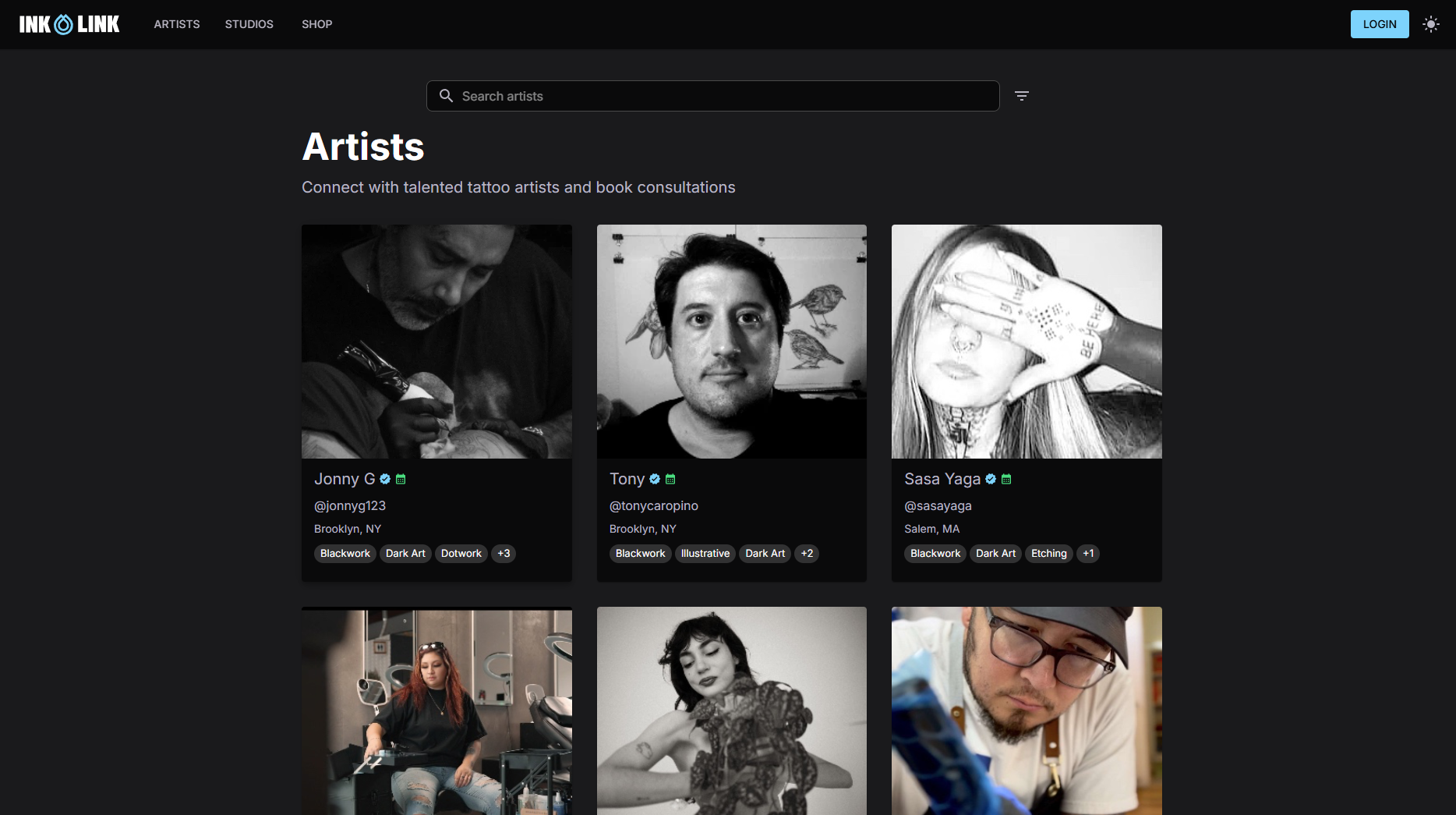
Ink link connects you with professional piercing studios that maintain the hygiene standards, jewelry quality, and consultation models this article covers. You can browse studio portfolios, check availability, and book appointments for everything from a first lobe piercing to a full curated ear project. The platform handles booking confirmations, deposits, and calendar management so studios can focus on the work. Whether you’re planning your first piercing or adding to an existing collection, find your studio on Ink link and book with confidence.
FAQ
How long do most piercings take to heal?
Lobe piercings heal in 6–8 weeks, while cartilage piercings take 6–12 months. Body piercings like navels and nipples can take up to a year or longer depending on placement and aftercare.
What jewelry material is safest for a new piercing?
Implant-grade titanium (ASTM F136) and solid 14k or 18k gold are the safest starting materials. They minimize allergic reactions and support clean healing without introducing nickel or other reactive metals.
Why do some piercers refuse certain placements?
Anatomical assessment determines whether a piercing is viable. High-risk placements like snake eyes tongue piercings are often refused because the anatomy increases the risk of nerve damage, rejection, or long-term dental complications.
What is a downsize appointment and why does it matter?
A downsize appointment replaces your longer starter jewelry with a shorter piece once initial swelling subsides, typically at 4–6 weeks. Skipping it causes the extra length to snag, migrate, or heal at an angle.
How much should a professional piercing cost?
Standard lobe piercings typically cost $45–$60. Surface and dermal piercings range from $70–$140. Jewelry costs are often separate and can significantly exceed the piercing fee, especially for solid gold pieces.