What is tattoo flash? Origins, meaning, and modern uses
TL;DR:
Tattoo flash is a collection of pre-drawn, ready-to-ink designs displayed in studios.
Flash has a rich history, originating in sailor and carnival culture to showcase styles quickly.
Modern flash encompasses diverse styles and remains a meaningful, personal choice for wearers.
Tattoo flash has a reputation problem. Many people assume that choosing a pre-drawn design from a studio wall means settling for something generic or impersonal. But that assumption misses the point entirely. Flash has been at the heart of tattoo culture for well over a century, shaping how artists work and how clients connect with body art. Whether you’re planning your first tattoo or your fifteenth, understanding what flash really is, where it came from, and how it works today can completely change the way you approach your next appointment.
Table of Contents
-
Modern tattoo flash: Styles, meanings, and the artist’s touch
-
Why flash isn’t ‘less meaningful’: Rethinking personal tattoos
Key Takeaways
| Point | Details |
|---|---|
| Tattoo flash basics | Pre-drawn tattoo designs make choosing quick and easy in any studio. |
| Historical roots | Flash designs have a rich history from sailor and carnival culture. |
| Styles and meaning | Modern flash comes in many styles and can be deeply personal. |
| Personalizing flash | You can customize flash designs or select one that truly fits your story. |
| How to book | Finding flash you love is simple with the right artist or tattoo studio. |
Tattoo flash: What it is and how it works
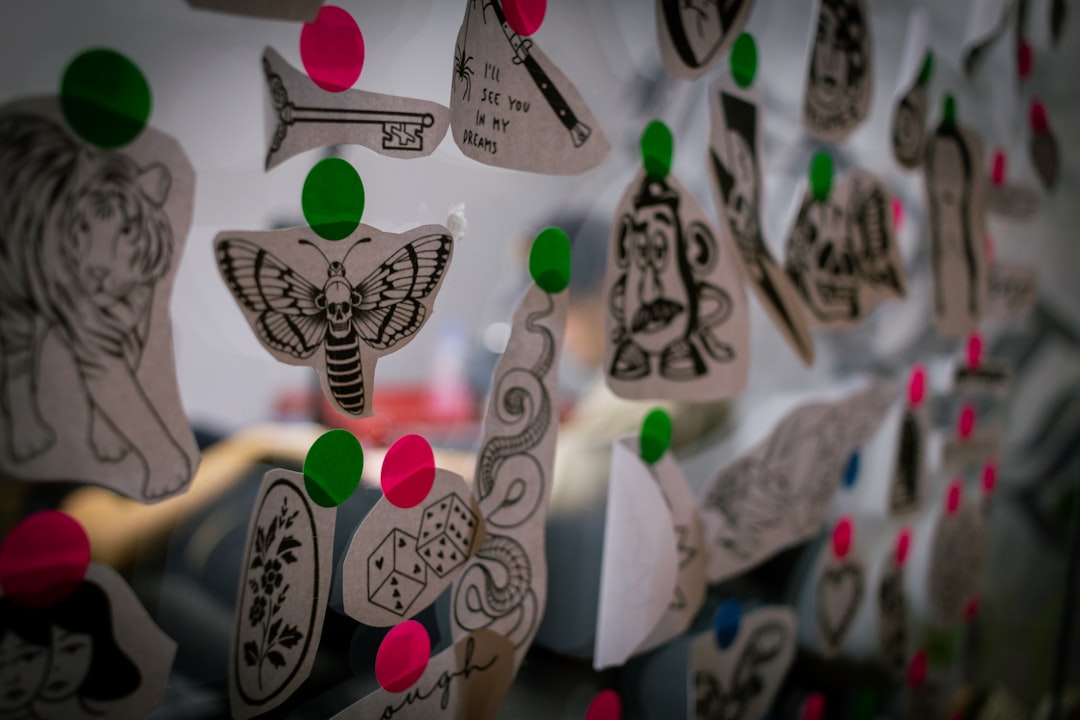
Tattoo flash refers to pre-drawn, ready-made designs created by artists and displayed in studios for clients to select and get tattooed right away. These designs are typically printed or drawn on large sheets of paper, hung on studio walls, or kept in binders for browsing. They come ready to transfer, meaning your artist can move quickly from consultation to needle without a lengthy design phase.
Flash designs share a few defining features:
-
Bold, clean lines that translate well onto skin and age gracefully
-
Solid fills and limited color palettes that are efficient to apply
-
Standardized sizing that suits common placement areas like forearms, ankles, and upper arms
-
Immediate availability so you can walk in and walk out with fresh ink the same day
Artists offer flash for several practical and creative reasons. It lets them work efficiently, especially during busy walk-in hours. It also acts as a living portfolio, showing off their preferred styles and techniques in a format that’s easy for clients to scan quickly. For newer clients who aren’t sure what they want, browsing flash sheets is a low-pressure way to explore options.
| Feature | Flash tattoo | Custom tattoo |
|---|---|---|
| Design time | Minimal to none | Days to weeks |
| Cost | Often lower | Typically higher |
| Availability | Same-day | Scheduled appointment |
| Personalization | Limited but possible | Fully tailored |
| Style showcase | Artist’s existing work | Artist-client collaboration |
One common misconception is that flash is “lesser” art. That’s simply not true. Many of the most iconic tattoo images in existence started as flash. Artists who create strong flash are demonstrating real skill, both in drawing and in understanding what works on skin long-term.
Another myth is that flash is impersonal. In reality, when you pick a design from an artist’s sheet, you’re choosing something that artist cared enough to draw and display. That’s a form of shared taste, not a lack of it.
Pro Tip: When evaluating flash quality, look for designs with clean line weight variation, confident shading, and clear negative space. Muddy lines or cramped detail are signs the design may not age well.
If you’re ready to explore artists who offer quality flash, checking an artist booking guide can help you understand how to approach your first booking with confidence.
A look back: The origins and evolution of tattoo flash
Understanding what tattoo flash is today means appreciating how it started and why it became so popular. Flash origins trace to 19th century carnival and sailor culture, gaining momentum in early 20th century American ports and the New York Bowery. Tattooists needed a way to show clients what was available quickly, especially when customers were sailors with limited shore time. Flash solved that problem perfectly.
Early flash sheets were hand-painted on cardboard and featured bold, recognizable imagery: anchors, eagles, hearts, roses, and pin-up figures. These weren’t throwaway sketches. They were refined through repetition, drawn and redrawn until every line served a purpose.
“Flash sheets defined an era. They were the menu, the advertisement, and the portfolio all at once. Every studio that mattered had them on the walls.”
The artists who shaped early American flash left lasting marks on the art form. Names like Lew the Jew Alberts, Bert Grimm, and Sailor Jerry Collins became legends by developing motifs that still appear on skin today. Sailor Jerry in particular brought Japanese influences into American traditional flash, creating bold designs with deeper symbolism that elevated the entire genre.
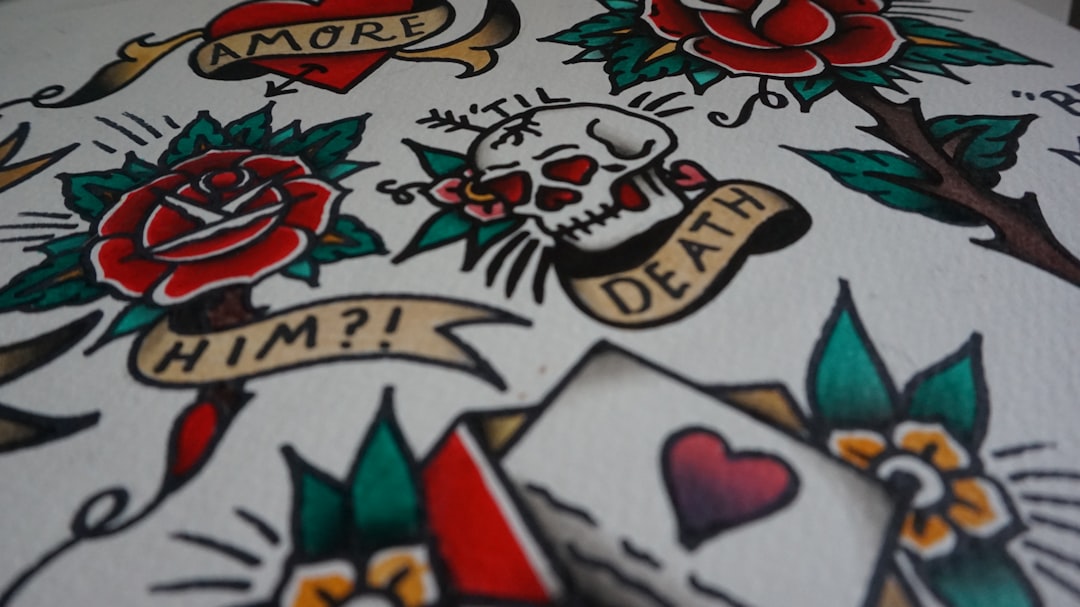
Flash sheets traveled between shops through trade, copy, and tribute. An artist in San Francisco might work from a design originally created in New York. This sharing created consistency across the industry and helped establish what we now call the American Traditional style.
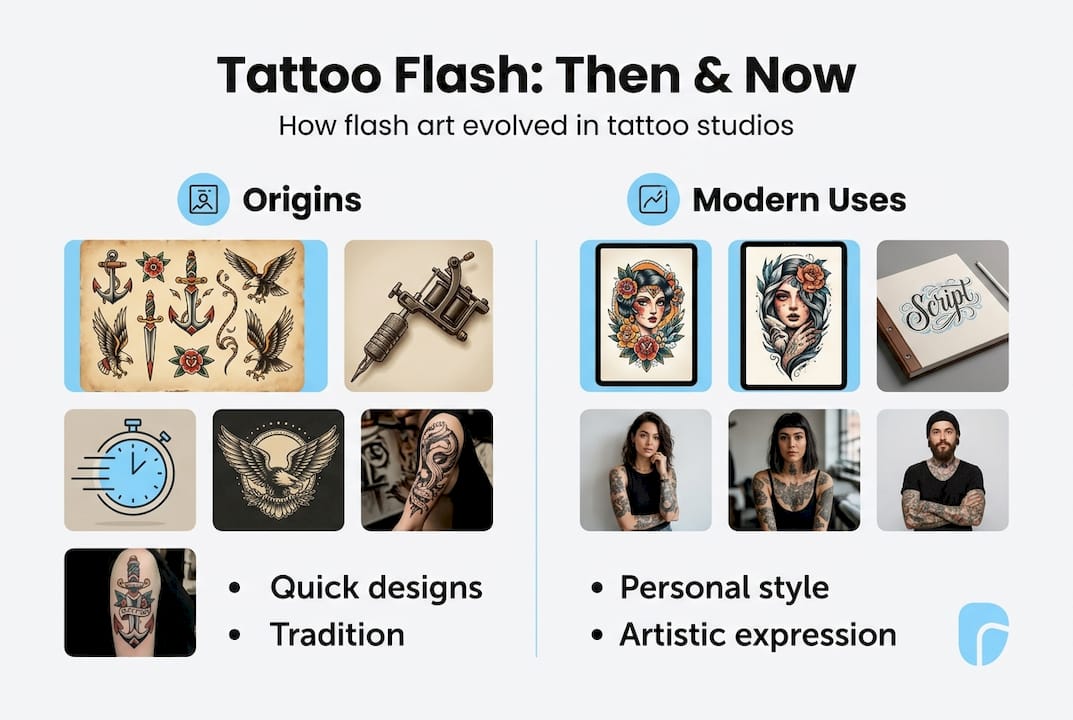
| Flash then | Flash now |
|---|---|
| Speed and efficiency | Personal expression |
| Walk-in standardization | Style and brand identity for artists |
| Limited motif range | Huge variety across styles |
| Primarily American Traditional | Neo-traditional, minimalist, illustrative, and more |
| Physical sheets only | Digital portfolios and online browsing |
Today, the influence of those early masters is everywhere. You can find legendary tattoo artists working in traditional styles that directly echo the Bowery era, and their flash sheets carry that same energy: bold, confident, and instantly readable.
Modern tattoo flash: Styles, meanings, and the artist’s touch
With the roots of flash art covered, it’s time to see how it thrives in today’s tattoo scene. Modern flash spans a much wider creative range than its ancestors. Artists now produce flash in styles that reflect their personal voice and appeal to a broader audience.
Here are some of the most popular flash styles you’ll find in studios today:
-
American Traditional: Bold outlines, limited palettes, classic imagery. The direct descendant of early flash sheets.
-
Neo-Traditional: More detail and color depth than classic traditional, with illustrative influences.
-
Minimalist: Fine lines, small scale, subtle shading. Popular for delicate placements.
-
Illustrative: Drawing-inspired work that looks like it came off a sketchbook page.
-
Blackwork: High-contrast designs using only black ink, often geometric or graphic.
-
Japanese-inspired: Bold compositions with koi, waves, and florals rooted in traditional Japanese imagery.
The key insight about modern flash is that it reflects the artist, not just a generic catalog. When an artist draws a flash sheet, they choose what imagery excites them. That creative intentionality shows. Choosing a piece from that sheet connects you to the artist’s vision in a real way.
Flash designs also serve as great starting points. Many artists are open to small variations, a color swap here, a minor compositional tweak there. This flexibility means flash and custom work aren’t opposites. They exist on a spectrum.
As flash gains personal context, what initially looks like a simple choice can hold deep meaning. A client who picks a sparrow from a flash sheet because it reminds them of a parent who loved birds isn’t getting a generic tattoo. They’re getting something that matters.
Pro Tip: Browse an artist’s flash with their overall portfolio in mind. If their custom work and their flash feel cohesive, that’s a sign they’re working in a style they genuinely love, and your tattoo will show it. Explore a range of perspectives on tattoo insights to help you develop your own eye.
How to choose and personalize tattoo flash for your style
Once you know which flash styles appeal to you, here’s how you can make the right choice with confidence. Flash designs can be immediately chosen and tattooed without custom design time, which makes the selection process feel fast. But a little thoughtfulness goes a long way.
Follow these steps to pick flash you’ll love for life:
-
Review the full sheet before deciding. Don’t stop at the first design that catches your eye. Take your time scanning everything.
-
Consider placement early. Some designs work better on curved surfaces like shoulders or calves. Others suit flat areas like forearms or shins.
-
Think about size. Flash often comes in a set size. Ask your artist if scaling up or down is possible without losing detail.
-
Ask about meaning. Many flash motifs carry traditional symbolism. Your artist can walk you through what different images have historically represented.
-
Discuss modifications. Want the roses in black and gray instead of color? Ask. Most artists are happy to make reasonable adjustments.
When you’re in the studio, communicate openly. Don’t hesitate to ask your artist why they drew a particular piece or what inspires their flash choices. That conversation often adds a personal layer to the experience.
Here are a few questions worth asking before committing:
-
Does this design suit my skin tone and the placement I have in mind?
-
Has this design been tattooed on someone recently? (Seeing healed photos helps.)
-
Is the artist who drew the flash the one doing my tattoo?
You can also prepare before you walk in. Browsing flash portfolios at local tattoo studios online lets you shortlist artists whose flash genuinely excites you, saving time and ensuring a better match.
Why flash isn’t ‘less meaningful’: Rethinking personal tattoos
Here’s a belief worth questioning: that choosing custom work means you care more about your tattoo. The reality is more nuanced. A design’s meaning doesn’t come from how long it took to create. It comes from what it represents to the person wearing it.
Flash has always functioned as a mirror. Walk into a well-curated studio and the flash on the walls tells you exactly who that artist is and what they love. When you choose a piece from that collection, you’re not picking off a rack. You’re recognizing something that resonates with you, and deciding to carry it permanently.
As flash gains personal context, its meaning grows with the wearer. The story behind the choice, the artist who drew it, the day you got it, the reason it caught your eye, all of that becomes part of the tattoo’s significance over time.
Custom work has its place. But so does flash. Treating one as more legitimate than the other misunderstands how meaning actually attaches to body art. If you’re curious about building a more intentional tattoo experience, booking tips for meaningful tattoos can help you think through the process.
Ready to explore tattoo flash? Find your artist or studio
Now that you understand the depth behind tattoo flash, the next step is finding the right artist to bring your chosen design to life.
On the Ink Link platform, you can browse flash portfolios from artists and studios across the country, all in one place. Studios like Old Traditions Tattoo Parlor showcase the kind of curated flash collections that make choosing a design genuinely exciting. When you’re ready, you can browse tattoo artists by style, location, and availability, then book directly through the platform. No phone tag, no waiting. Just great art and a smooth path to your next tattoo.
Frequently asked questions
What exactly is a tattoo flash sheet?
A flash sheet is a collection of pre-drawn tattoo designs that artists display for clients to choose from and get tattooed right away. It’s essentially a visual menu of designs that are ready to go.
Are flash tattoos less meaningful than custom tattoos?
No. Flash gains personal context through the wearer’s story and reason for choosing it, making it just as meaningful as any custom piece.
Can tattoo flash designs be customized?
Yes. Many artists welcome small changes to flash, like color adjustments or minor tweaks, because flash serves as a starting point for the final design rather than a rigid template.
Why do tattoo shops use flash sheets?
Flash sheets support speed and standardization in walk-in shops, while also giving artists a way to display their signature style and make great designs accessible to all clients.