What Is a Tattoo Deposit? Your Booking Guide
TL;DR:
- A tattoo deposit is a partial, non-refundable payment made during booking to reserve your appointment and cover design work and studio time. It typically ranges from $30 to $200, depending on the tattoo’s size, complexity, and artist reputation, and is deducted from the total cost upon completion. Deposits protect artists from cancellations and signal clients’ commitment, fostering a professional and respectful tattoo experience.
You found the perfect artist, you love their portfolio, and you are ready to book. Then they ask for a deposit before the appointment is even scheduled. If you felt a moment of hesitation, you are not alone. Understanding what is tattoo deposit and why it exists is one of the most common questions first-time clients have. This guide breaks down the tattoo deposit meaning, how much to expect, what the refund rules actually look like, and how to protect yourself before you pay a single dollar.
Table of Contents
Key takeaways
| Point | Details |
|---|---|
| Deposits secure your appointment | A tattoo deposit reserves your time slot and compensates the artist for custom design work done before your session. |
| They are almost always non-refundable | Most deposits are forfeited if you cancel without proper notice, typically 48 to 72 hours in advance. |
| Amounts vary by tattoo type | Deposits generally range from $30 to $200 or more, depending on size, complexity, and artist reputation. |
| Clear policies protect everyone | Reading deposit and cancellation policies upfront prevents disputes and builds a better artist-client relationship. |
| Reputable platforms add transparency | Booking through a platform with integrated deposit handling makes the whole process clearer and more trustworthy. |
What is a tattoo deposit and what does it cover?
A tattoo deposit is a partial payment made at the time of booking to secure your appointment and kick off the creative process. Think of it as a professional retainer. It is not the full price of the tattoo. It is a down payment that holds your spot on the artist’s calendar and signals that you are serious about following through.
Here is what your deposit actually pays for:
-
Custom design time. Artists spend hours researching references, sketching concepts, and refining designs before you ever sit in the chair. That labor happens whether the session goes ahead or not.
-
Reserved studio time. Your appointment blocks out hours that the artist could have given to another client. If you cancel, that time is lost.
-
Consultation and communication. Many artists spend additional time in back-and-forth emails or messages refining your vision before the session.
Tattoo deposits are almost always non-refundable, and that is not arbitrary. A deposit functions as compensation for creative energy spent on design and reserved studio time, making it far more than a simple booking fee. When the session is completed, the deposit amount is typically deducted from your total tattoo price.
Pro Tip: Ask your artist upfront whether the deposit will be applied toward the final cost of the tattoo. Most reputable studios do this automatically, but it is worth confirming in writing before you pay.
How tattoo deposit policies work
Every studio has its own rules, but most tattoo booking deposit policies follow a similar structure. Knowing what to expect before you commit can save you real money and a lot of frustration.
Here is how the typical process unfolds:
-
You inquire and get a quote. You reach out with your tattoo idea, size preferences, and placement. The artist reviews your request and gives you a rough quote.
-
You pay the deposit to secure your date. Once you agree on a date and design direction, you pay the deposit. This locks in your appointment slot.
-
The artist begins design work. With your deposit secured, the artist starts creating your custom piece. This is why the deposit is earned from day one.
-
You show up or communicate early. If anything changes, you contact the artist well before the appointment. Most reputable studios require 48 to 72 hours notice for cancellations or rescheduling to avoid losing the deposit.
-
No-shows forfeit 100% of the deposit. If you simply do not show up without notice, the deposit is gone. No exceptions at most studios.
Clear written deposit policies reduce disputes and protect both the artist and the client. Studios that explain their tattoo deposit refund policy upfront are a sign of professionalism, not a red flag.
Pro Tip: Screenshot or save a copy of the studio’s deposit policy at the time of booking. Policies can change, and having a record protects you if a dispute ever comes up.
How much is a tattoo deposit?
The short answer: it depends on the artist, the studio, and the complexity of your tattoo. Deposit amounts typically range from $50 to $200, or roughly 10% to 30% of the total tattoo price.
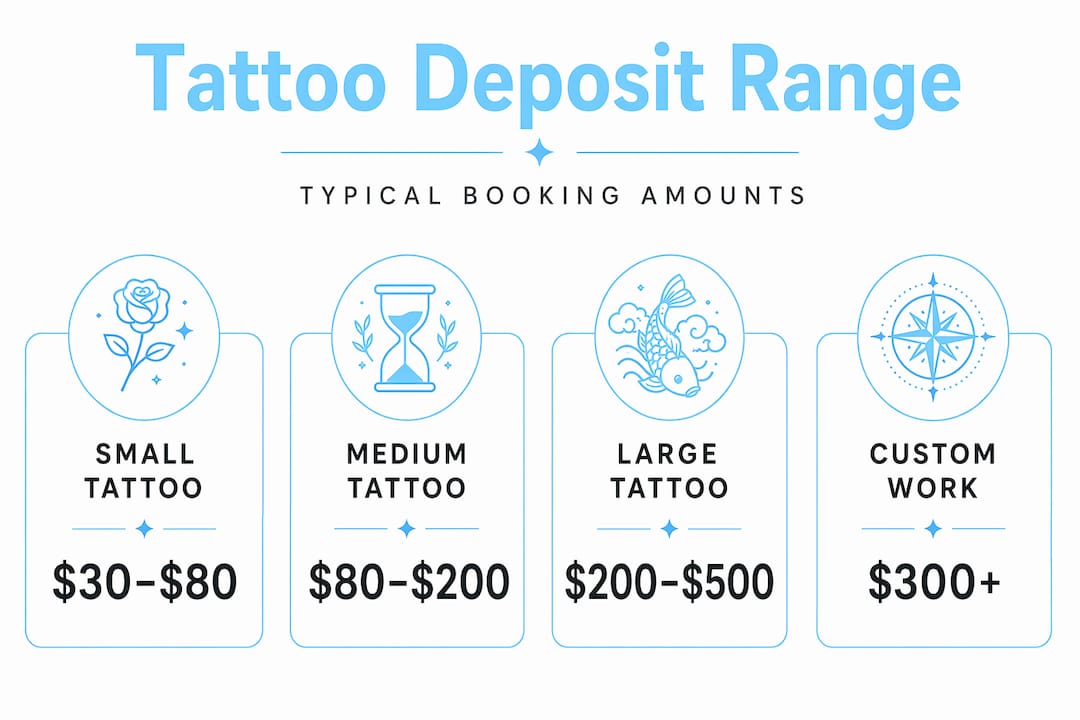
Here is a general breakdown to help you budget:
| Tattoo type | Typical deposit range |
|---|---|
| Small, simple (lettering, tiny symbols) | $30 to $80 |
| Medium, semi-custom (filler florals, portraits) | $80 to $150 |
| Large custom sleeve or back piece | $150 to $500 or more |
| Celebrity or in-demand artist | $200 to $500 flat fee |
Regional pricing also plays a role. Artists in major cities like New York or Los Angeles tend to charge higher deposits than those in smaller markets. An artist’s reputation matters too. A sought-after artist with a long waiting list may require a larger deposit simply because their time is in high demand.
For larger or highly detailed custom work, some artists require a higher percentage deposit upfront. That is not unusual. It reflects the amount of design time involved before the session even begins.
Why deposits benefit both clients and artists
It is easy to look at a tattoo deposit as just another fee. But once you understand what it does on both sides of the relationship, it starts to feel like a pretty fair arrangement.
Here is what deposits actually accomplish:
-
Financial protection for artists. Deposits provide financial security against income loss from cancellations. Tattoo artists are self-employed. A no-show at a full-day appointment is a full day of lost income.
-
Better scheduling for everyone. Deposits help reduce no-shows and improve scheduling efficiency across the studio.
-
A filter for serious clients. Artists can filter out uncommitted clients and focus on people who are genuinely ready, which leads to better tattoo experiences overall.
-
A signal of commitment from you. Paying a deposit tells your artist you are invested. That changes how they approach the design work.
A tattoo deposit is not just a business formality. It is the first step in a creative collaboration. When both sides take it seriously, the work that follows tends to be better.
Understanding why do tattoo artists require a deposit reframes the entire experience. It is not about distrust. It is about mutual respect for time and craft.
Tips for booking with confidence
A few smart habits before you pay your tattoo booking deposit can make the whole experience smoother.
-
Read the cancellation policy before paying. Every studio has one. Take two minutes to understand what happens if life gets in the way.
-
Ask about refundability directly. Some studios allow deposit transfers to a rescheduled date. Others do not. Know before you commit.
-
Verify studio professionalism and transparency. Evasiveness about policies or hygiene standards is a genuine warning sign for both quality and safety.
-
Use platforms with clear deposit handling. Digital booking systems with integrated deposit handling improve trust and reduce confusion for both sides.
-
Plan your schedule before booking. The most common reason people lose deposits is a scheduling conflict that could have been avoided with a little more planning upfront.
Pro Tip: When booking custom work, give yourself at least two weeks of buffer before the appointment. It gives your artist enough time to create something genuinely great and gives you room to communicate any changes without penalty.
My take: deposits are a sign of a good artist, not a greedy one
I have talked with hundreds of people navigating the tattoo booking process for the first time, and the deposit question almost always trips them up. What I have noticed is that the hesitation is rarely about the money itself. It is about uncertainty.
Here is what I have come to believe: an artist who requires a deposit and explains their policy clearly is almost always a better artist than one who does not. It tells you they take their schedule seriously, they value their design time, and they expect a professional relationship. In my experience, the studios that skip deposits are often the ones where the communication breaks down later.
The clients who come in prepared, who have read the policies and paid their deposit with confidence, tend to have better tattoo experiences. Not because of luck. Because they walked in as collaborative partners, not reluctant customers. See the deposit as the beginning of that partnership, and the whole process gets a lot easier.
— Matthew
Book your next tattoo with confidence on Ink Link
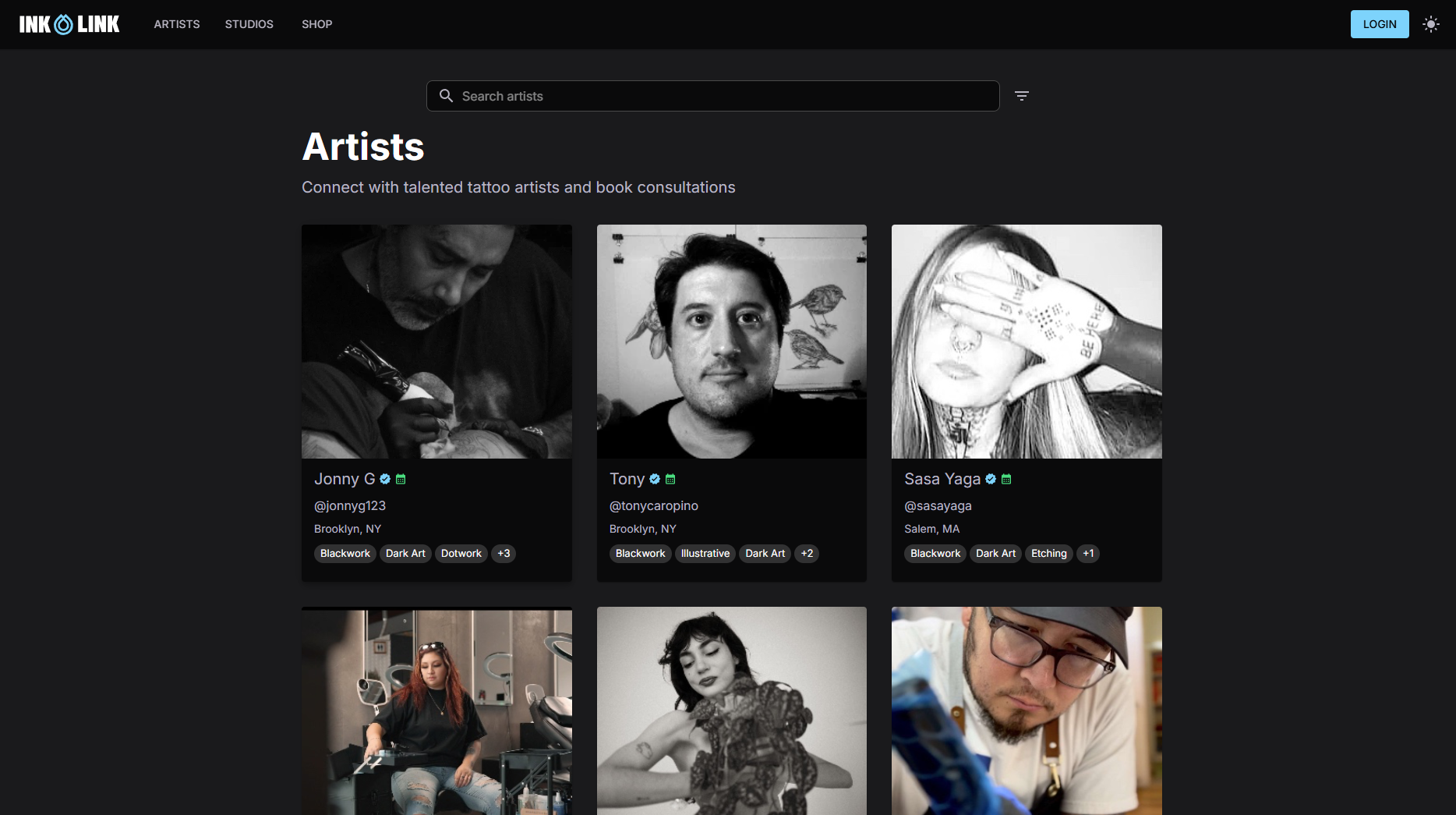
Ink Link is built to make the tattoo booking process clear, fair, and stress-free for everyone involved. When you browse studios on Ink Link, you can explore artist portfolios, review booking policies, and pay deposits securely in one place. Studios like Old Traditions Tattoo Parlor use the platform to handle deposits and appointments with full transparency, so you always know exactly what you are agreeing to before you commit. Whether you are booking your first tattoo or your fifteenth, Ink Link connects you with artists who communicate professionally and treat your time with the same respect they expect from you. Find your artist and start the creative conversation today.
FAQ
What is a tattoo deposit, exactly?
A tattoo deposit is a partial payment made when booking an appointment to secure your time slot and compensate the artist for custom design work completed before your session. It is typically deducted from your total tattoo price on the day of the appointment.
Are tattoo deposits refundable?
Most tattoo deposits are non-refundable. Deposits are forfeited if you cancel without giving the required notice, which is usually 48 to 72 hours in advance. Some studios allow the deposit to transfer to a rescheduled date within a set timeframe.
How much is a typical tattoo deposit?
Deposits generally range from $30 to $500 or more, depending on the size and complexity of the tattoo and the artist’s reputation. Small pieces may require as little as $30 to $80, while large custom projects can require $150 to $500 upfront.
Can I lose my deposit if I just reschedule?
Yes, depending on the studio’s policy and how much notice you give. Many studios allow one reschedule as long as you provide 48 to 72 hours notice. Rescheduling repeatedly or at the last minute often results in deposit forfeiture.
Why do tattoo artists require a deposit instead of full payment?
A deposit balances commitment and flexibility. It compensates the artist for design work and reserved time without requiring the client to pay the full amount before the session takes place. It is the standard practice in professional studios because it protects both parties from the real financial costs of last-minute cancellations.