What Is a Cover-Up Tattoo? Your Complete Guide
TL;DR:
- A cover-up tattoo conceals or transforms an unwanted tattoo by applying permanent ink over it using specialized artistic techniques. It requires a larger, darker, and more complex design to effectively hide the original ink, with artist skill and tattoo condition influencing the outcome. Unlike laser removal, a cover-up provides an immediate visual result, but must be planned carefully to ensure successful concealment.
A cover-up tattoo is a permanent new tattoo applied directly over an existing, unwanted tattoo to conceal or transform it using specialized artistic techniques. Unlike laser removal, which breaks down ink beneath the skin over multiple sessions, a cover-up replaces one piece of art with another in a single creative process. The result is permanent, and the success depends entirely on design choices, artist skill, and the condition of the original ink. If you are weighing your options for covering old tattoos, understanding how this process works will save you time, money, and disappointment.
What is a cover-up tattoo and how does it differ from other options?
A cover-up tattoo is the industry term for a new design tattooed over an existing piece to hide it completely or partially. Artists also call this a “tattoo transformation” when the old design is incorporated rather than fully concealed. The key distinction from a rework or touch-up is intent. A rework refreshes or adds to an existing tattoo you still like. A cover-up eliminates it visually.
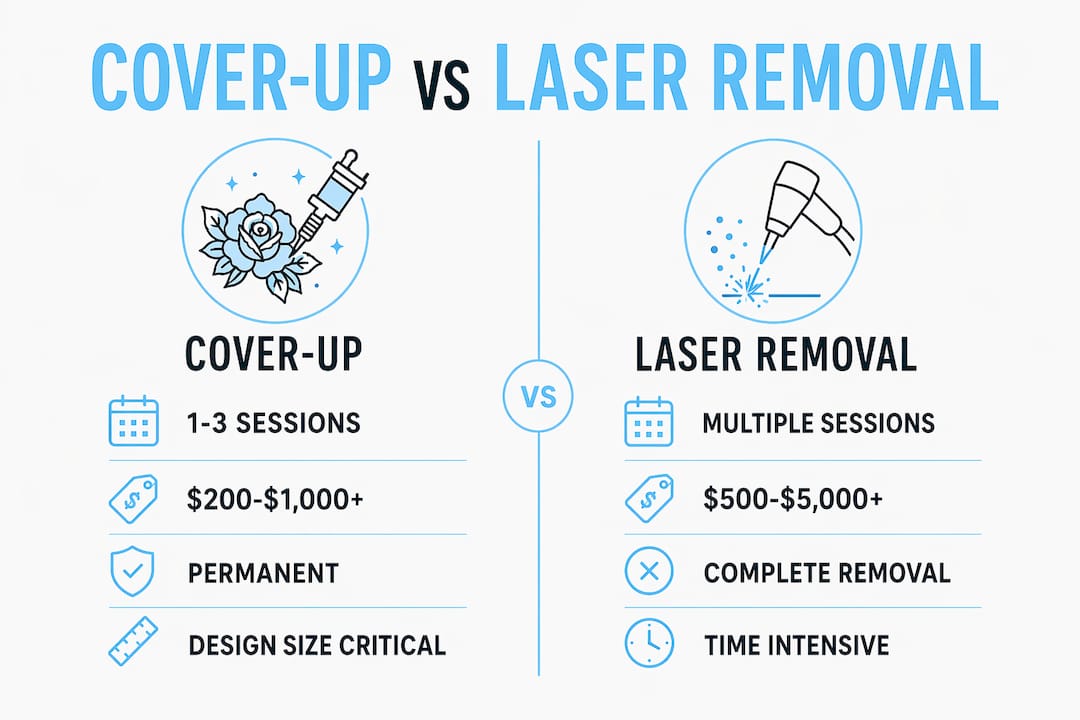
Laser removal and cover-up tattoos solve the same problem through opposite methods. Laser removal uses concentrated light energy to fragment ink particles so the body can absorb them, typically requiring multiple sessions spread over months. A cover-up tattoo is completed in one or more tattoo sessions and produces an immediate visual result. Temporary concealment methods like clothing or high-coverage makeup exist too, but they are situational and non-permanent.
Cover-up tattoo costs typically range from $200 to $1,000 or more, often higher than new tattoos due to the added complexity. That premium reflects the extra skill and planning required. A new tattoo starts with a blank canvas. A cover-up starts with a problem to solve.
How do cover-up tattoos work: design principles and techniques
Cover-up tattoos work through a combination of size, color theory, and optical illusion. The new design must be large enough and dark enough to absorb the old ink visually. New cover-up designs require a surface area 1.5–2 times larger than the original tattoo. That size increase is not optional. It gives the artist enough room to build the visual complexity needed to hide what is underneath.
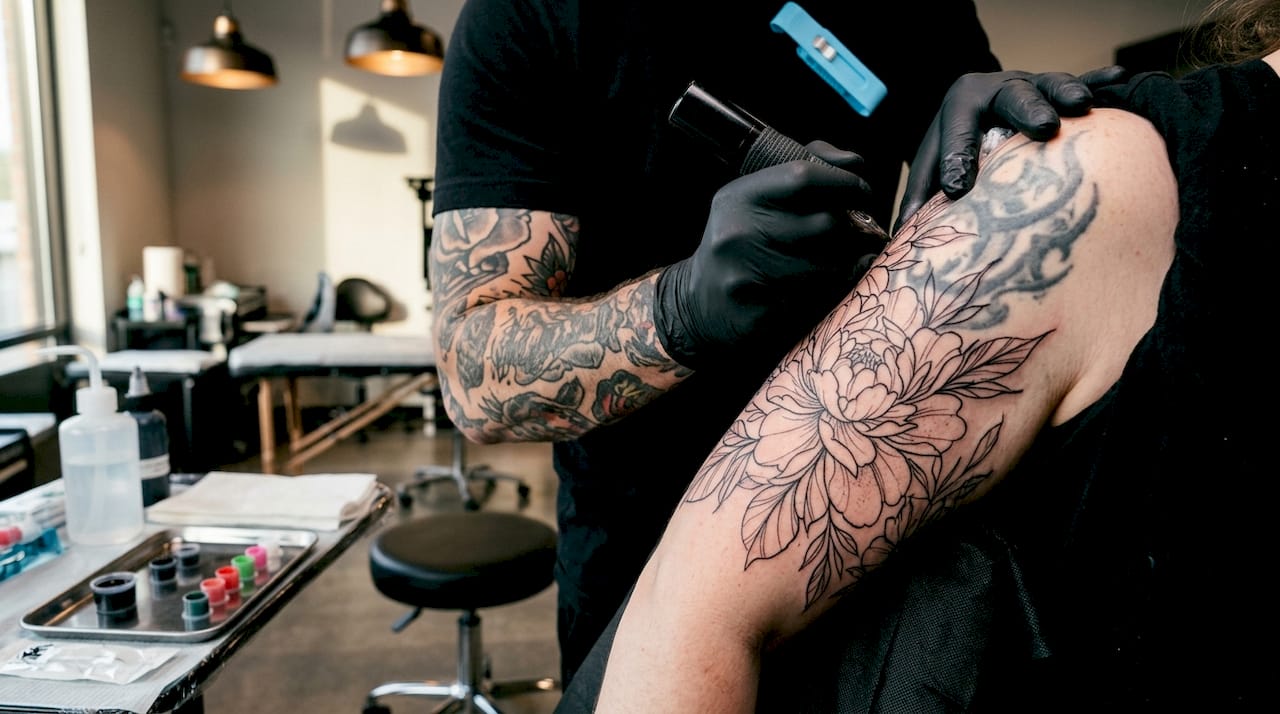
Color is the most misunderstood element of cover-up work. Dark ink cannot be covered with lighter ink. The new design must use darker colors and heavier shading to absorb the old tattoo visually. A faded blue script, for example, cannot be hidden under a soft watercolor flower. It requires something with density, like a dark mandala, a bold floral with deep shading, or a geometric pattern with solid fill.
The optical illusion principle is what makes great cover-ups work. A skilled artist places the darkest elements of the new design directly over the old ink, then uses lighter shading and negative space around the edges to redirect the eye. The brain reads the new image and stops searching for what is underneath. Dense, dark patterns over old ink with lighter areas surrounding them are the foundation of this technique.
Key design elements that make cover-ups effective include:
- Dense fill patterns: Mandalas, tribal designs, and blackwork florals provide solid coverage.
- Strategic shading: Gradients draw the eye away from the old tattoo’s edges and lines.
- Bold outlines: Strong outer lines contain the new design and prevent old ink from bleeding visually into the surrounding skin.
- Organic shapes: Flowing natural forms like leaves, feathers, and petals conform to irregular old tattoo shapes more naturally than geometric designs.
- Color saturation: Heavily saturated pigments in black, dark blue, deep red, and forest green provide the most reliable concealment.
Pro Tip: Scar tissue absorbs ink differently than healthy skin. If your old tattoo has raised scarring, tell your artist before the consultation. Organic motifs and specific needle techniques can help mask texture irregularities, but the artist needs to plan for this from the start.
What factors affect whether a cover-up tattoo will work?
Not every tattoo is an ideal candidate for a cover-up. Expert artists assess tattoo age, ink density, scarring, and placement before committing to a design. Understanding these factors helps you walk into a consultation with realistic expectations.
-
Tattoo age and fading. Older tattoos with faded ink are significantly easier to cover. The lighter the original, the more design flexibility you have with the new piece. A 15-year-old tattoo that has softened with time gives an artist far more options than a fresh, saturated piece.
-
Ink density and color saturation. Solid black tattoos and heavily saturated color work are the hardest to conceal. These require the darkest, most complex cover-up designs. Solid black tribal or blackout-style tattoos may not be fully coverable without laser fading first.
-
Scarring and skin texture. Raised scar tissue from poor original tattooing or skin trauma changes how new ink sits. Scar tissue absorbs ink differently, and certain needle techniques and organic pattern motifs help mask those irregularities. An artist experienced in scar work is a major advantage here.
-
Placement and size constraints. A tattoo on the wrist has less surrounding skin to work with than one on the back or thigh. Limited space means limited design options. The cover-up must fit the body part, and the 1.5–2x size rule still applies regardless of location.
-
Original tattoo design complexity. Fine-line tattoos with minimal shading are easier to cover than bold, filled designs. The more ink that is already in the skin, the harder the artist has to work to hide it.
-
When laser fading makes sense. One to three laser sessions can lighten old ink enough to open up lighter, more intricate cover-up design options. This adds time and cost, but it significantly increases what is possible with the final design.
Cover-up tattoos vs. other tattoo concealment methods
Choosing between a cover-up tattoo, laser removal, and temporary concealment comes down to permanence, budget, and how much design flexibility you need. Each method has a distinct role.
| Method | Duration | Cost range | Permanence | Best for |
|---|---|---|---|---|
| Cover-up tattoo | 1–3 sessions | $200–$1,000+ | Permanent | Replacing unwanted ink with new art |
| Laser removal | 6–12+ sessions | $200–$500 per session | Permanent removal | Full removal or pre-cover fading |
| High-coverage makeup | Up to 16 hours | $20–$80 per product | Temporary | Events, professional settings |
| Clothing or accessories | Situational | No cost | Non-invasive | Quick, everyday concealment |
Laser removal is the only method that fully eliminates a tattoo. It is also the most time-intensive and often the most expensive path when you add up all sessions. Cover-up tattoos are faster to a visible result and leave you with new art you actually want. The trade-off is that you are still tattooed, just differently.
High-pigment, full-coverage makeup with color correctors can conceal tattoos temporarily for up to 16 hours. Orange or peach color correctors neutralize blue-black tones before foundation application. This works well for job interviews, formal events, or situations where you need a clean look without commitment. Brands like Dermablend produce products specifically rated for tattoo coverage.
The differences between cover-ups and reworks matter too:
- A rework adds detail or color to a tattoo you still want but want improved.
- A cover-up is designed to make the original tattoo disappear visually.
- A combined approach uses one to three laser sessions to fade the original, then a cover-up for the final result. Artists often recommend combined strategies for the best outcomes with dark or dense original tattoos.
Planning your cover-up tattoo: what to expect and how to prepare
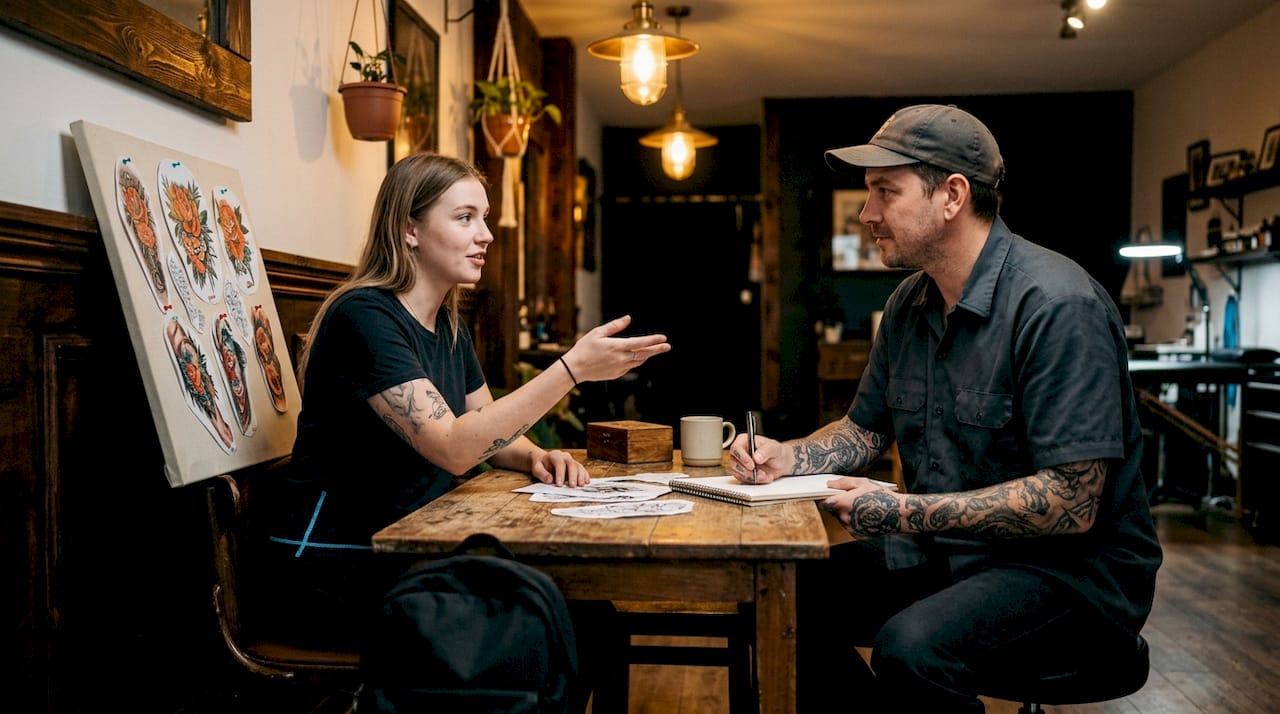
Finding the right artist is the single most important step in the cover-up process. Not every tattoo artist specializes in cover-up work. Look specifically for portfolios that show before-and-after examples of tattoo cover-ups. The before photo tells you everything. If the artist’s portfolio shows clean, complete concealment on tattoos similar to yours, that is a strong signal.
Professional cover-up consultations help set realistic expectations on design feasibility, size, and cost. Artists evaluate the tattoo’s condition and guide you toward solutions that are both functional and visually strong. Come prepared, but stay flexible.
What to bring to your consultation:
- Clear photos of your existing tattoo in good lighting, including close-ups of any scarring or texture.
- Reference images of cover-up tattoo ideas you like, even if they are not exactly what you want.
- An open mind on size. The cover-up will almost certainly be larger than you expect.
- Questions about the process, including how many sessions it will take, what the healed result looks like, and what aftercare is required.
Realistic expectations matter as much as the design itself. The new tattoo will be larger and likely darker than your original. Healing a cover-up takes the same time as any tattoo, typically two to four weeks for surface healing and several months for the skin to fully settle. Colors may look different once healed, and a touch-up session is sometimes needed to refine the final result.
Aftercare for cover-up tattoos follows the same principles as any new tattoo. Keep the area clean, moisturized, and out of direct sunlight during healing. Sun exposure fades new ink faster and can cause the old tattoo to show through as the new pigment settles.
Pro Tip: Stay in close communication with your artist throughout the design process. If something about the proposed design does not feel right, say so before the needle touches your skin. Cover-up artists are problem-solvers, and your feedback helps them find the best solution for your specific situation.
Key Takeaways
A cover-up tattoo works when the new design is larger, darker, and more complex than the original, with artist skill and tattoo condition determining how complete the concealment will be.
| Point | Details |
|---|---|
| Size is non-negotiable | Cover-up designs must be 1.5–2 times larger than the original tattoo to conceal it effectively. |
| Dark ink needs dark coverage | Light colors cannot hide dark ink. Cover-ups over saturated or black tattoos require heavy shading and dense patterns. |
| Tattoo age improves outcomes | Older, faded tattoos give artists more design flexibility and produce cleaner concealment results. |
| Laser fading expands options | One to three laser sessions before a cover-up can open up lighter, more detailed design possibilities. |
| Artist specialization matters | Choose an artist with a proven cover-up portfolio, not just general tattoo experience. |
My honest take on cover-up tattoos after years in the community
The biggest misconception I see is that a cover-up is just “painting over” an old tattoo. It is not. It is a design challenge that requires the artist to solve a visual puzzle while still producing something beautiful. The old tattoo is always a constraint, and the best cover-up artists treat that constraint as a creative brief, not an obstacle.
Clients often come in with a very specific design in mind, and that is great. But the biggest misconception is that any design can be placed over any old tattoo. Dark inks require heavy, complex designs. If you want a delicate fine-line piece over a solid black tribal band, that conversation needs to happen in the consultation, not after the stencil is on your skin.
What I have seen consistently is that the clients who get the best results are the ones who prioritize concealment effectiveness over their original design preference. They come in with ideas, they listen to the artist’s assessment, and they trust the process. The emotional impact of a successful cover-up is real. People walk out feeling like they got a piece of their story back. That is worth being flexible for.
Consultations are not a formality. They are where the actual work begins. If an artist skips a thorough consultation or promises you anything is possible without examining the tattoo closely, that is a red flag. The best artists are honest about limitations, and that honesty is what leads to results you will still love in ten years.
— Matthew
Ready to find your cover-up artist?
The right cover-up starts with the right artist, and finding one who specializes in this work used to mean hours of searching through social media and cold calls. Ink link makes that process straightforward. You can browse artist portfolios, view before-and-after cover-up examples, and book a consultation directly through the platform.
Whether you are looking for a cover-up specialist or want to explore studios with deep experience in custom cover-up designs, Ink link connects you with the right people. Studios like Old Traditions Tattoo Parlor are listed on the platform with full portfolios so you can assess their work before you ever walk through the door. Your next tattoo should be one you are proud of.
FAQ
What is a cover-up tattoo exactly?
A cover-up tattoo is a new permanent tattoo applied over an existing one to hide or transform it using size, color, and shading techniques. The new design must be larger and darker than the original to achieve effective concealment.
How big does a cover-up tattoo need to be?
Cover-up designs typically need to be 1.5–2 times larger than the original tattoo. That extra surface area gives the artist room to build the visual complexity required to hide the old ink.
Can any tattoo be covered up?
Not every tattoo is a straightforward cover-up candidate. Solid black, heavily saturated, or scarred tattoos are the hardest to conceal, and some may require laser fading before a cover-up is feasible.
How much does a cover-up tattoo cost?
Cover-up tattoos typically cost between $200 and $1,000 or more, often more than a comparable new tattoo. The higher price reflects the additional skill, planning, and time required to work over existing ink.
Is laser removal better than a cover-up tattoo?
Laser removal fully eliminates a tattoo but requires multiple sessions over many months and is often more expensive overall. A cover-up tattoo produces a visible result faster and leaves you with new art, but the tattoo remains permanent.