Walk-in tattoos explained: flexible options for spontaneous ink
TL;DR:
Walk-in tattoos are same-day, no-appointment ink sessions mainly for small or simple designs.
Availability of specific artists is limited; walk-ins depend on who is free at the moment.
Planning for walk-ins involves arriving early on weekdays and being flexible with artist choices.
Walk-in tattoos generate roughly 25% of tattoo shop revenue, yet plenty of people still show up to a studio without knowing what to expect. Are they cheaper? Can you pick your artist? Will they even take you? These are fair questions, and the answers might surprise you. This article breaks down exactly how walk-in tattoos work, what shop policies typically look like, and how you can make the most of a spontaneous ink session.
Table of Contents
Key Takeaways
| Point | Details |
|---|---|
| Walk-in tattoos defined | Walk-in tattoos allow clients to get ink without booking an appointment, offering flexible and spontaneous options. |
| Revenue and demand | Walk-in sessions represent roughly 25% of a shop’s income, with high daily volume compared to appointments. |
| No artist guarantee | Most walk-in clients must accept whichever artist is available, making pre-planning essential for preferences. |
| Time and etiquette matter | Arriving early and following shop rules increases your chances of a successful walk-in experience. |
| Platform search advantage | Using a platform like Ink Link helps locate walk-in-friendly shops and artists quickly. |
What is a walk-in tattoo?
A walk-in tattoo is exactly what it sounds like: you show up to a studio without a prior appointment and get tattooed the same day. No booking, no deposit, no waiting weeks for a slot. It’s one of the most accessible ways to get tattooed, and it works well for small-to-medium pieces that don’t require a lot of custom design work.
Studios handle walk-ins in different ways. Some keep one or two artists on rotation specifically for drop-in clients. Others designate certain days of the week as walk-in days. Hybrid shops dedicate artists and days specifically for walk-ins to keep things running efficiently without disrupting their appointment schedule.
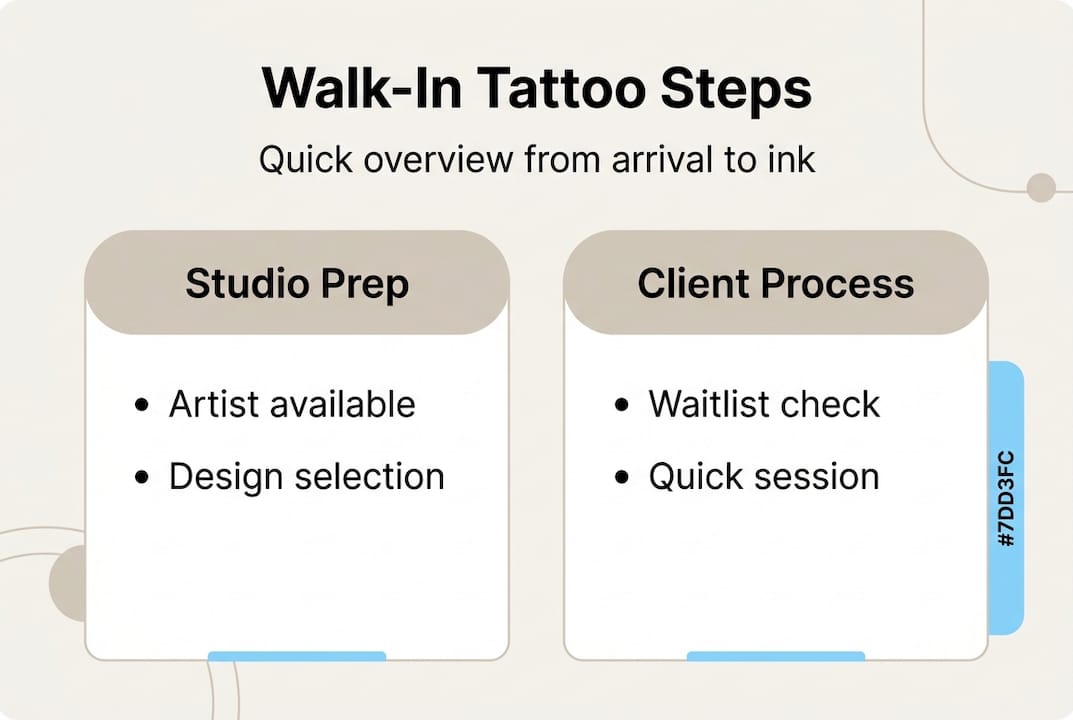
One thing to keep in mind: you may not get your preferred artist. Walk-in sessions depend entirely on who’s available at that moment. If your favorite artist is booked, you’ll either work with whoever is free or come back another day.
Walk-ins also see spikes during unusual circumstances. Military deployments, for example, can push a sudden rush of clients who need tattoos fast before shipping out. Studios near bases often see this firsthand.
Here’s what walk-in tattoos are typically great for:
-
Flash designs (pre-drawn art ready to tattoo)
-
Small lettering or symbols
-
Simple line work
-
Touch-ups on existing tattoos
-
Spontaneous additions to an existing collection
Pro Tip: If you have a specific style in mind, check whether the studio posts their walk-in artist roster online. Some shops share this info on social media so you can time your visit around the right artist. You can also explore options through beauty business tattoo removal services if you’re considering making changes to existing ink.
Walk-in tattoo process: What to expect
Knowing the basic definition is helpful, but understanding how the process actually unfolds will set you up for a much smoother visit.

Walk-ins run first-come, first-served, which means early arrival matters. Studios can also refuse walk-in clients for complex designs or if a client arrives intoxicated. So showing up prepared and sober is non-negotiable.
Here’s the typical walk-in process step by step:
-
Arrive at the studio and let the front desk know you’re interested in a walk-in.
-
Browse available flash or describe your design idea to the artist on duty.
-
Discuss placement and sizing so the artist can confirm it’s doable as a walk-in.
-
Fill out a consent form and show valid photo ID. Most shops require clients to be 18 or older.
-
Wait for your turn. Depending on how busy the studio is, this could be 20 minutes or two hours.
-
Review the stencil before the artist begins. This is your chance to adjust placement.
-
Get tattooed, tip your artist, and follow the aftercare instructions they provide.
A few things can affect this process. If the studio is slammed, they may put you on a waitlist or ask you to come back in the afternoon. Some shops have a cut-off time, usually a couple of hours before closing, to ensure they can complete your piece properly.
Pro Tip: If you’re set on a design that requires detailed planning or multiple sessions, consider reading up on appointment booking tips to get the full custom tattoo experience instead.
Walk-in vs appointment tattoos: Key differences
So how do walk-ins actually stack up against booked sessions? Let’s look at the core differences.
| Feature | Walk-in | Appointment |
|---|---|---|
| Artist choice | Limited by availability | Full control |
| Design complexity | Simple to medium | Any complexity |
| Wait time | Same day, may be long | Scheduled, predictable |
| Prep time | Minimal | Extended planning |
| Cancellation risk | Low | Deposit required |
“Walk-in sessions typically produce 6 to 10 pieces per artist per day, compared to just 2 to 3 for appointment-based sessions. That volume difference is why walk-ins matter so much to a studio’s daily revenue.”
For clients, appointments offer more control, a deeper artist relationship, and the ability to plan custom artwork over time. Walk-ins trade that control for immediacy and spontaneity.
Walk-in sessions are often centered around:
-
Flash art: Pre-drawn designs the artist is ready to execute fast
-
Small symbols or initials: Minimal detail, quick to complete
-
Classic motifs: Hearts, anchors, stars, and similar timeless designs
-
Impulse ideas: That design you’ve been thinking about for a week and finally decided to go for
Appointment tattoos, on the other hand, make more sense for sleeves, large back pieces, portraits, or any design that requires back-and-forth collaboration. Walk-ins aren’t the right fit for everything, and knowing the difference helps you set realistic expectations.
Tips for maximizing your walk-in tattoo experience
Now let’s get practical. A few smart moves before you walk through that studio door can make a big difference.
Weekdays between 11am and 3pm are the best window for walk-ins. Weekends and holidays bring longer waits and less artist availability, so plan accordingly.
| Timing | Expected wait | Artist availability |
|---|---|---|
| Weekday 11am to 3pm | Short to moderate | Higher |
| Weekday evening | Moderate | Medium |
| Weekend midday | Long | Lower |
| Holiday weekend | Very long | Very limited |
Here’s what else you can do to set yourself up for success:
-
Bring reference images. Even for a walk-in, having visual references helps the artist understand your vision quickly.
-
Know your budget. Ask about minimum charges upfront. Most studios have a shop minimum regardless of size.
-
Be flexible about artists. Staying open to whoever is available usually leads to a better experience and less frustration.
-
Follow shop etiquette. Don’t bring a crowd. Keep your phone on silent. Respect the space.
-
Check for hybrid shops. Some studios post their walk-in artist schedules online, so you can plan around a specific style or artist.
Pro Tip: Use Ink Link’s tattoo blog to find studios near you that specialize in flash days or walk-in events. Flash day events are especially fun and a great way to get quality art at a set price. For deeper guidance on working with artists, the appointment advice section is a solid resource too.
The real reason walk-in tattoos are thriving
Here’s an angle most people miss: walk-in tattoos aren’t just popular because they’re convenient. They’re thriving because they make studios more creative and more connected to their communities.
Flash days, pop-up events, and walk-in only weekends push artists to design bold, standalone pieces that can stand on their own without extensive client consultation. That creative pressure often produces some of the most exciting work you’ll see from a studio. Walk-ins also introduce new clients who might never have booked an appointment otherwise, turning casual visitors into loyal regulars.
Even edge cases like military deployment demand spikes reveal how walk-ins serve real human needs beyond convenience. Studios that lean into walk-in culture tend to build stronger community ties and more diverse clienteles. For a broader look at what’s shaping tattoo culture right now, Ink Link’s blog covers it well.
Find the perfect walk-in studio fast
You now know how walk-in tattoos work, when to go, and how to make the most of your visit. The next step is finding the right studio.
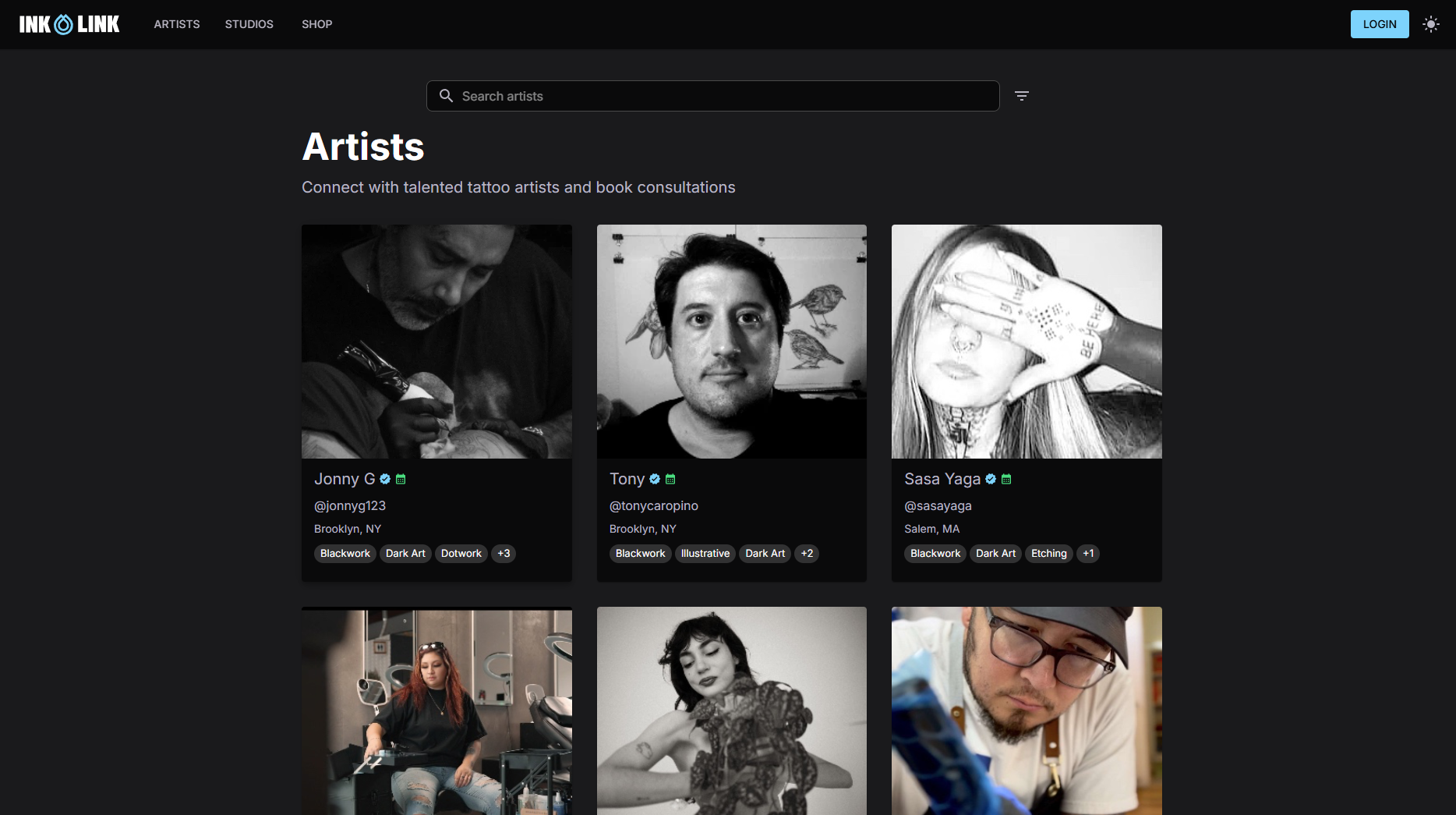
Ink Link makes that easy. Browse tattoo studios near you, check real-time availability, and explore artist portfolios and flash offerings all in one place. You can also review studio pricing before you walk in so there are no surprises. Whether you’re after a quick flash piece or scoping out a new favorite artist, Ink Link connects you to the right studio fast.
Frequently asked questions
Can I choose my tattoo artist during a walk-in?
Most studios cannot guarantee a specific artist for walk-in sessions since walk-in artist selection depends entirely on who is available at that time.
Are walk-in tattoos cheaper than appointments?
Walk-in tattoos are typically priced similarly to appointments for comparable designs, but shops may offer special flash discounts on designated flash days.
When is the best time to visit for a walk-in tattoo?
Weekdays between 11am and 3pm are ideal. Weekends and holidays bring longer waits and reduced artist availability, so plan your visit mid-week when possible.
Can walk-in tattoos be refused?
Yes. Shops may refuse walk-ins for overly complex designs, intoxication, or simply because no artist is available at that moment.
Are walk-in tattoos limited to certain designs?
Most walk-ins focus on flash art and small-to-medium designs. Large or highly customized pieces are usually better suited for a scheduled appointment where the artist has time to prepare.