Tattoo sessions explained: prep, process, and what to expect
TL;DR:
A tattoo session involves multiple stages including consultation, skin preparation, and aftercare.
Proper preparation and clear communication before the appointment improve overall experience and results.
Post-session care is essential to prevent issues like infection, fading, and regret.
Most people picture a tattoo session as simply walking in, sitting down, and leaving with new ink. The reality is a lot more structured than that. A tattoo session is a multi-stage experience that includes consultation, skin preparation, the tattooing process itself, breaks, and a crucial aftercare phase that continues at home for weeks. Understanding each of these stages before you book can mean the difference between a result you love and one you regret. Research shows that tattoo regret affects about 26% of people, and a lot of that comes down to unmet expectations.
Table of Contents
-
Why the real success of a tattoo session starts before you arrive
-
Curious to book your tattoo session? Start with the right studio
Key Takeaways
| Point | Details |
|---|---|
| Tattoo sessions are multi-stage | A tattoo session covers preparation, the inking process, and aftercare, not just the time in the chair. |
| Preparation matters most | What you do before your appointment significantly affects pain, risk, and satisfaction. |
| Aftercare affects healing | Proper cleaning and care are critical for recovery and maintaining your tattoo’s appearance. |
| Know what to expect | Understanding each step helps manage pain, reduce regret, and increase long-term satisfaction. |
Understanding what a tattoo session really is
A tattoo session is not a single moment. It is a planned series of steps designed to make the process safer, more comfortable, and more precise. Before the needle ever touches your skin, you and your artist review the design, confirm placement, and address any last-minute changes. That conversation alone can take 15 to 30 minutes.
Here is a quick look at how session lengths typically break down:
| Tattoo size | Estimated session time |
|---|---|
| Tiny or minimal (under 2 inches) | 30 to 60 minutes |
| Small to medium | 1 to 3 hours |
| Large or detailed | 3 to 6+ hours |
| Full sleeve or back piece | Multiple sessions |
Several factors influence how long your session will actually take:
-
Size and complexity of the design
-
Placement on the body (some spots require more care)
-
Your pain tolerance, which can drop during longer sessions
-
The artist’s pace and working style
-
Breaks, which are necessary and healthy
“Think of your tattoo session as a creative collaboration, not a quick transaction. The more you understand about the timeline, the more relaxed and confident you will feel in the chair.”
Understanding the tattoo pain scale explained before your appointment helps you set realistic expectations. Some placements, like the ribs or inner arm, are significantly more painful than others. Knowing this ahead of time lets you mentally prepare and discuss pacing with your artist. Proper preparation reduces complications and sets you up for a smoother experience overall.
How to prepare for your tattoo session
Knowing the structure of a tattoo session, here’s how you can best prepare to avoid common mistakes. Preparation is not just about showing up on time. It is about giving your body and your artist the best conditions to do great work.
Follow this checklist before your appointment:
-
Eat a full meal two to three hours before your session. Low blood sugar can make you lightheaded or nauseous during tattooing.
-
Hydrate well in the 24 hours leading up to your appointment. Hydrated skin holds ink better and is easier to work with.
-
Get a good night’s sleep. Fatigue lowers your pain threshold and your overall mood during the session.
-
Avoid alcohol and blood thinners for at least 24 hours before. Alcohol thins the blood, which causes excess bleeding and can affect how ink sits in the skin.
-
Review your design and placement one more time before you arrive. If anything feels off, communicate it before the stencil goes on.
-
Wear loose, comfortable clothing that gives easy access to the area being tattooed. If you’re getting work done on your upper arm, a sleeveless shirt is ideal.
-
Arrive clean and on time. The area being tattooed should be freshly washed. Arriving late compresses the time your artist has and adds unnecessary stress.
Pro Tip: Bring snacks and a light drink to your session, especially for longer appointments. Sugar and hydration can help you get through the harder stretches without feeling faint.
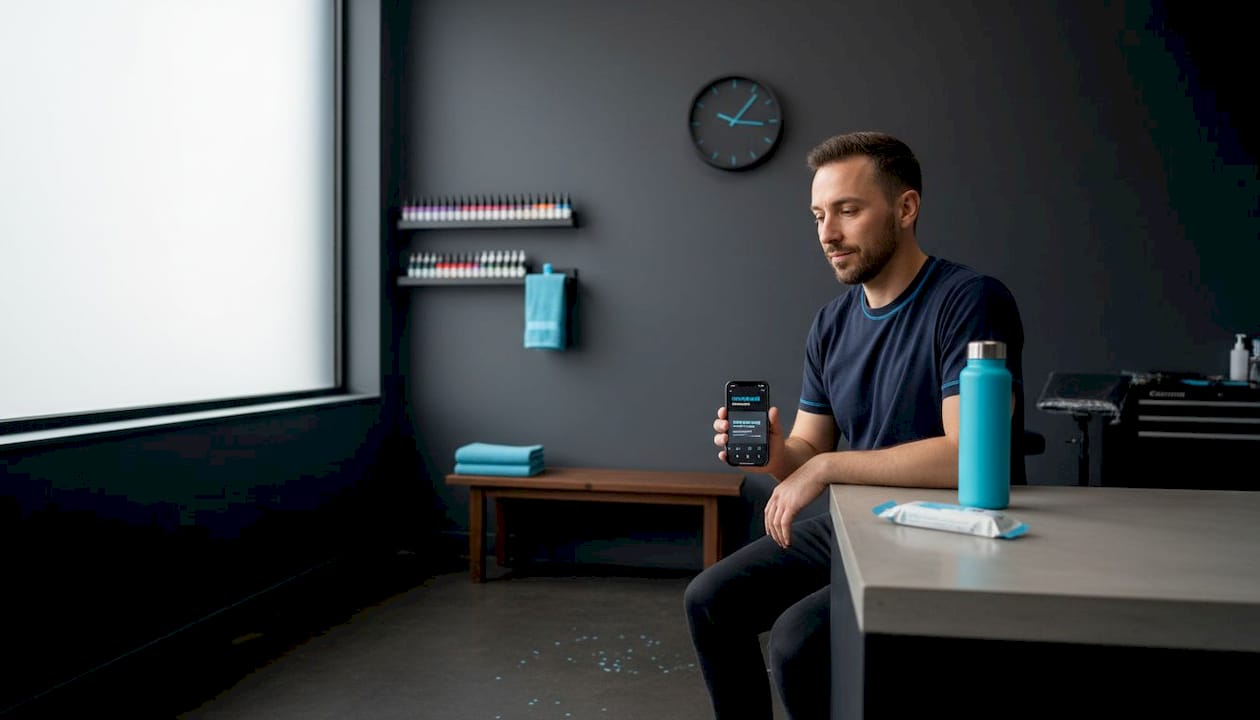
You can review the full preparation checklist to make sure nothing slips through the cracks. Also, confirm your booking details and any deposit requirements through your artist’s booking system. The guide on booking and deposit tips is a helpful resource for first-timers navigating that process.
What happens during a tattoo session?
With preparation complete, here’s what you can expect once you sit down for your tattoo. The in-session experience follows a fairly consistent flow, regardless of the studio or artist.
Here is the typical order of events:
-
Design and placement review. Your artist confirms the final design and positioning on your body one more time.
-
Skin preparation. The area is shaved (if needed) and cleaned with an antiseptic solution to reduce infection risk.
-
Stencil application. A transfer stencil of the design is applied to your skin. You will be asked to check it in a mirror and approve the position before anything permanent happens.
-
Outlining begins. The artist starts with the outline, which defines the shape and structure of the tattoo. This is often the most intense part.
-
Shading and color. Once the outline is complete, shading and color are filled in. Many people find this phase less painful than the outlining stage.
-
Breaks as needed. Especially in sessions over two hours, breaks are expected. Pain tolerance drops during extended tattooing, so stepping away briefly helps both you and your artist maintain quality.
-
Wrap-up and immediate aftercare. The finished tattoo is cleaned and bandaged before you leave.
| Session phase | What’s happening | Typical duration |
|---|---|---|
| Review and prep | Design check, skin cleaning | 15 to 30 minutes |
| Stencil | Application and approval | 10 to 20 minutes |
| Outlining | Needle work begins | Varies by size |
| Shading and color | Fill work and detail | Varies |
| Wrap-up | Cleaning and bandaging | 5 to 10 minutes |
Pro Tip: Do not hesitate to speak up if you need a break. Good artists expect this and will not rush you. Staying tense or silent through serious discomfort is not a badge of honor; it actually makes the process harder.
For a complete walkthrough of what to expect inside the studio, the studio session steps guide covers each phase in detail.
Tattoo aftercare: Healing and what not to overlook
After the session ends, your role in aftercare becomes critical for the best results. The artist’s work ends when you leave the studio. Your job starts the moment you walk out.
Here is what proper tattoo aftercare looks like:
-
Leave the bandage on for at least three hours, or overnight if your artist uses a breathable wrap like Saniderm.
-
Wash gently twice a day using a fragrance-free antibacterial soap. Pat dry with a clean paper towel.
-
Apply a thin layer of unscented moisturizer or healing ointment twice daily to keep the skin from drying out.
-
Avoid direct sun exposure, swimming, and tight clothing over the area for the first four weeks.
-
Do not scratch or pick at peeling skin. This is the most common mistake and it can pull ink out of the healing layers.
-
Watch for signs of infection, including excessive pus, swelling, or heat radiating from the tattooed area. These symptoms require prompt medical attention.
Surface healing typically takes two to four weeks, but deep tissue healing can take anywhere from two to six months. During that deeper healing phase, the tattoo may look slightly dull or cloudy. That is normal. The final result only becomes fully visible once healing is complete.
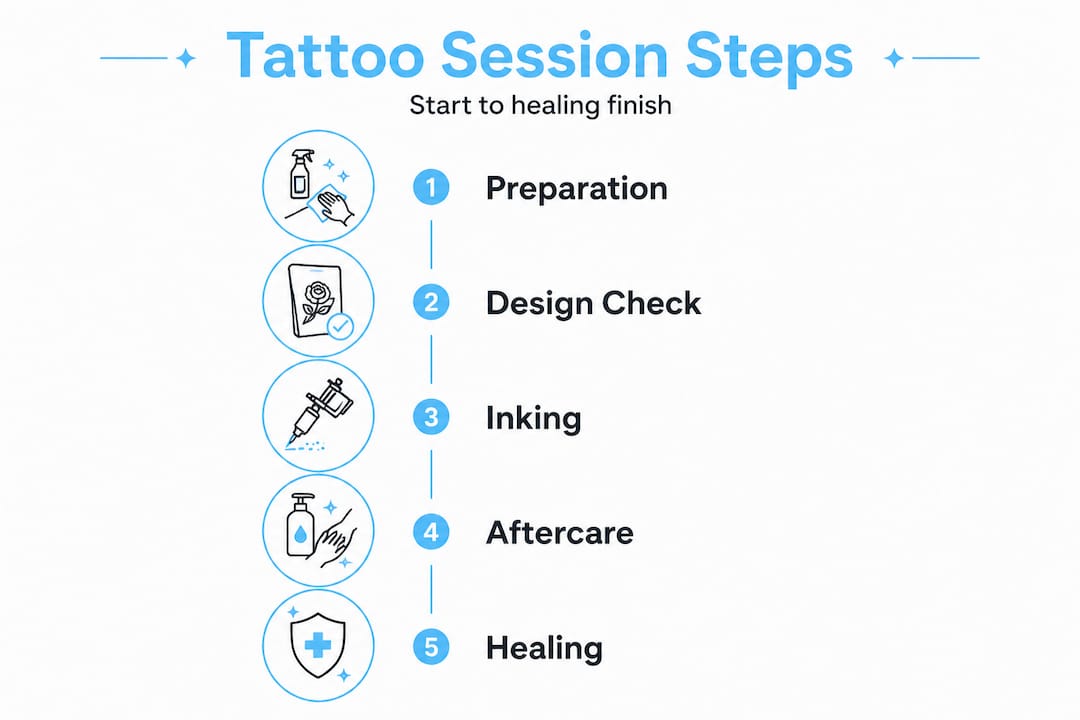
Key stat: According to Cleveland Clinic, full deep healing takes two to six months, and skipping aftercare steps increases the risk of infection, fading, and the need for touch-ups.
Pro Tip: Avoid petroleum-based products like Vaseline during healing. They can clog pores and trap bacteria under the surface of the skin. Stick to lightweight, fragrance-free options recommended by your artist.
Why the real success of a tattoo session starts before you arrive
Here is the part most first-time clients do not hear enough. People spend a lot of time worrying about what will hurt during the session or whether they are doing their aftercare right. Those things matter. But the decisions made before you ever walk through the studio door have the highest impact on your overall experience and satisfaction.
Choosing the right artist for your style, communicating your design vision clearly, confirming your appointment details, and showing up physically ready are actions that shape the entire outcome. Clients who research their artist’s portfolio, ask questions before booking, and come in prepared tend to report far better experiences than those who show up underprepared and hope for the best.
Proper preparation reduces complications, not just physically, but emotionally. When you know what to expect at every stage, you are less likely to make impulsive decisions during the session or feel disappointed afterward. The 26% regret rate is not just about design choices. A big portion of it connects directly to unrealistic expectations and poor preparation before the appointment.
The pre-session booking guide is a great place to start building that foundation. Taking time to find the right fit, not just the most convenient option, changes the entire experience.
Curious to book your tattoo session? Start with the right studio
If you feel ready to turn your understanding into action, finding the right professional support is your next logical move. Ink Link makes it easy to discover vetted artists and studios, compare styles and availability, and book confidently.
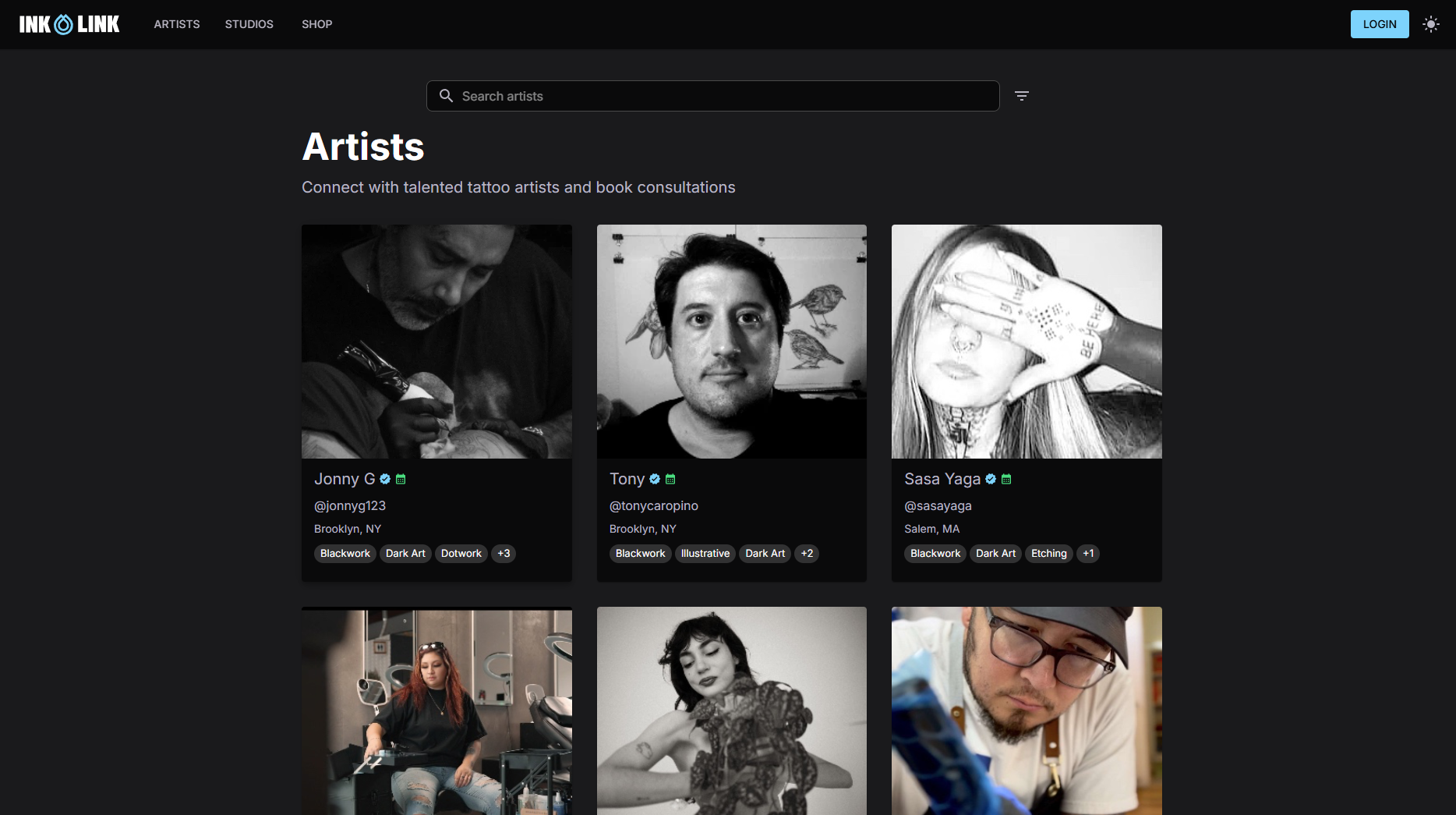
You can browse experienced studios like Old Traditions Tattoo Parlor for a classic, trusted setting, or explore artists like the work on the Simpletinyink artist page for a more delicate, minimal approach. Whether you know exactly what you want or you’re still exploring ideas, more Ink Link studios gives you an easy starting point to find your perfect match and get your consultation booked in minutes.
Frequently asked questions
How long does a tattoo session usually last?
Small tattoos can take under an hour, while larger or more complex pieces may require multiple hours or even several separate sessions spread across weeks.
Is pain tolerance a factor in session length?
Yes, pain tolerance decreases over the course of long sessions, which is why artists build in breaks and sometimes spread larger work across multiple appointments.
What are signs of infection after a tattoo session?
Watch for excess pus, swelling, or heat around the tattooed area; these are warning signs that require prompt attention from a medical professional.
Can improper aftercare lead to tattoo regret?
Absolutely. Neglecting aftercare affects how the tattoo heals and looks long-term, increasing the chance of fading, scarring, or infection, all of which contribute to the ~26% regret rate documented in studies.