Tattoo Consultation Explained: What First-Timers Need to Know
TL;DR:
Tattoo consultations help clients plan designs and prevent common regrets.
Preparing with references and questions ensures clearer communication with the artist.
A thorough consultation increases satisfaction and reduces impulsive, regretted tattoos.
Getting your first tattoo is exciting, but it comes with real risks if you skip the planning stage. 24 to 40% of people regret at least one tattoo, and poor planning is consistently the top reason. The good news? A tattoo consultation is specifically designed to prevent exactly these kinds of regrets. In this guide, we’ll walk you through what a consultation actually is, why it matters, and how to show up fully prepared so your first tattoo becomes something you’ll love for life.
Table of Contents
-
How to prepare for your consultation and get the best results
-
A fresh perspective: Why the best tattoos start with honest conversations
Key Takeaways
| Point | Details |
|---|---|
| Consultations prevent regret | Meeting with your artist first dramatically lowers the chance of tattoo regret from poor decisions. |
| Preparation boosts success | Bringing ideas and asking questions during your consultation gets you a tattoo you’ll enjoy for years. |
| Communication is crucial | Clear, honest conversations with your tattoo artist lead to greater satisfaction and less regret. |
| No pressure to commit | A great consultation gives you options and clarity, not a sales pitch. |
What is a tattoo consultation?
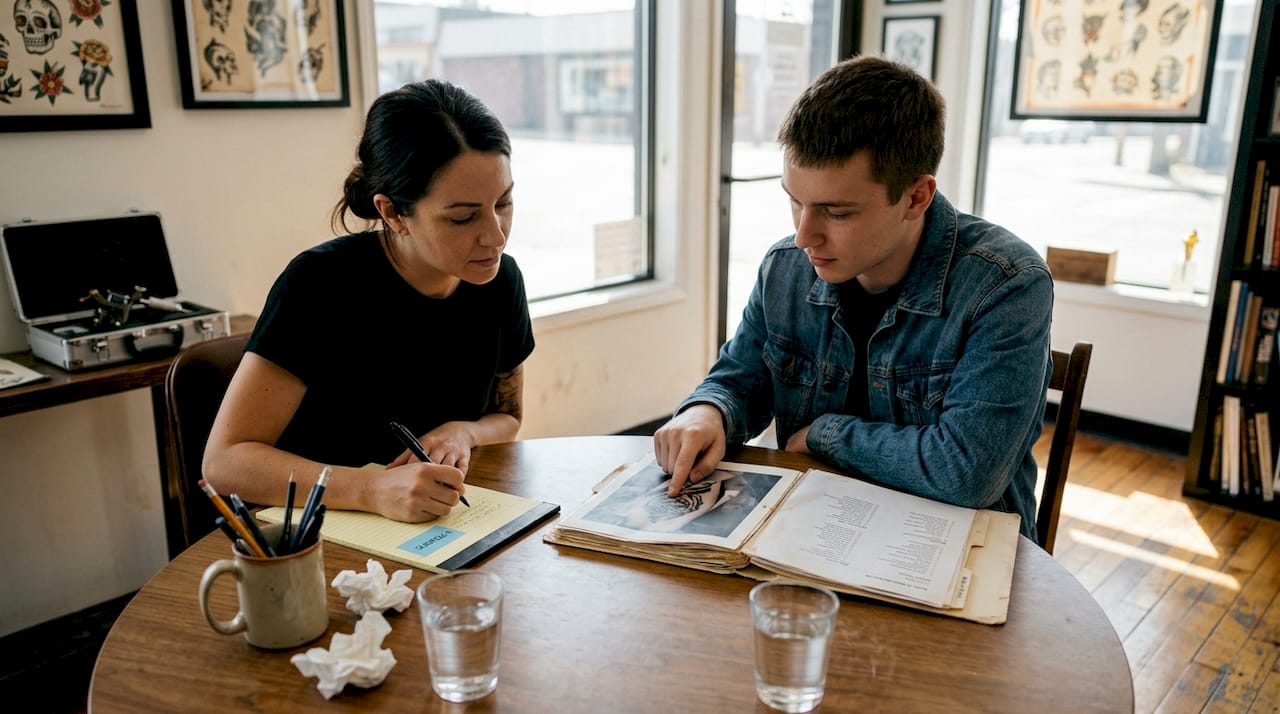
A tattoo consultation is a one-on-one meeting between you and your chosen artist before any ink touches your skin. Think of it as the planning session that makes the actual tattoo appointment so much smoother. It’s not just a casual chat. It’s a focused conversation where you share your ideas, the artist assesses what’s realistic, and both of you align on expectations before committing.
Consultations can happen in person at the studio, over video call, or even by phone. Each format has its strengths. In-person meetings allow the artist to assess your skin and body placement directly, while online options offer flexibility if you’re connecting with an artist across town.
Here’s what typically happens during a consultation:
-
You describe or show your tattoo idea
-
The artist evaluates the design’s feasibility for your chosen placement
-
You discuss sizing, color palette, and style preferences
-
The artist explains the aftercare process and healing timeline
-
You get a rough estimate of cost and session length
One important thing to know: first-timers under 25 show 30 to 35% higher regret levels, largely from impulsive decisions. A consultation creates a natural pause between impulse and action. Sometimes, your artist may suggest rethinking your original idea. That’s not a bad sign. That’s the consultation doing exactly what it should.
“The consultation is where your idea transforms from a thought into a plan. Don’t skip it.”
| Consultation format | Best for | Drawback |
|---|---|---|
| In-person | Complex designs, placement checks | Requires travel |
| Video call | Long-distance artists, quick ideas | Can’t assess skin directly |
| Phone | Simple flash designs | Limited visual communication |
Why the consultation matters: Avoiding common regrets
Now that you know what a consultation is, let’s look at why skipping it is such a common mistake. 56% of people who regret their tattoo cite poor planning as the main reason. That’s a majority. And almost all of those regrets were preventable.
Impulse tattoos and planned tattoos lead to very different outcomes. Here’s how they compare:
| Factor | Impulse tattoo | Planned consultation |
|---|---|---|
| Design clarity | Often vague or rushed | Refined and intentional |
| Placement suitability | Chosen on the spot | Assessed for skin and lifestyle |
| Artist alignment | Unknown | Confirmed before booking |
| Regret likelihood | High | Significantly lower |
Consultations also help identify red flags early. These include:
-
Last-minute design changes that haven’t been thought through
-
Symbolism you haven’t fully researched
-
Placements that don’t age well or interfere with your work dress code
-
Unrealistic expectations about what a design will look like on skin
Your artist is trained to spot these issues. They’ve seen what works and what doesn’t. Let them guide you.
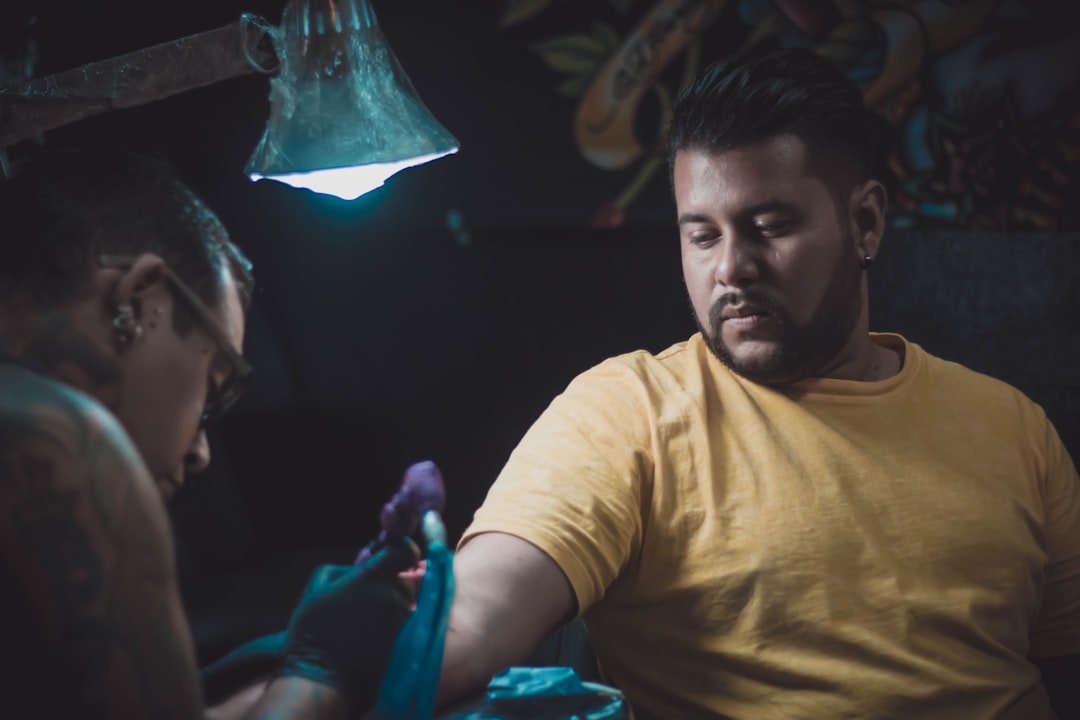
Pro Tip: Always bring reference images to your consultation. Screenshots, printed photos, even rough sketches all help your artist understand your vision faster and more accurately than words alone.
What to expect: Step-by-step tattoo consultation process
Knowing why consultations matter is good, but what actually happens when you meet your artist? Here’s the step-by-step breakdown.
-
Greeting and introductions — You meet the artist, get comfortable in the space, and share a bit about yourself and your tattoo goals.
-
Idea sharing — You present your concept using reference images, sketches, or verbal descriptions.
-
Feasibility assessment — The artist evaluates your idea against your chosen placement and skin type, suggesting adjustments if needed.
-
Budget and time estimate — You get a realistic cost range and a sense of how many sessions the piece may require.
-
Scheduling discussion — If everything aligns, you talk about booking dates and deposit requirements.
-
Q&A — You ask your questions; the artist addresses concerns about pain, healing, and aftercare.
Bring these items with you:
-
A valid photo ID
-
Reference images (saved on your phone or printed)
-
Any allergy or medical information relevant to tattooing
-
An open mind for the artist’s suggestions
Reviewing a booking and deposit guide before your appointment can also clarify what to expect financially. Interestingly, Gen Z regret rates are actually higher than older generations, with 40% regretting at least one tattoo. Going in prepared gives you a real advantage.
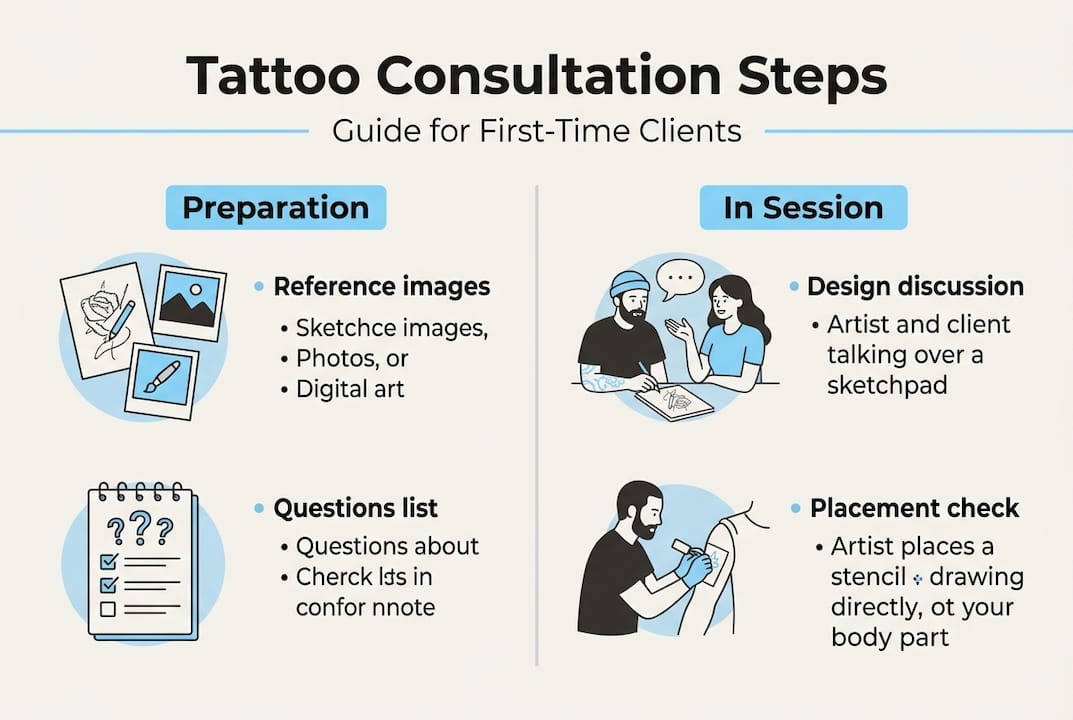
Pro Tip: Write your questions down before the consultation. It’s easy to forget in the moment when you’re excited or nervous.
How to prepare for your consultation and get the best results
Once you know the process, solid preparation is what separates a great consultation from a stressful one. Start by reflecting on a few core questions before you even walk in the door.
-
What does this tattoo mean to you, and will that meaning hold in 10 years?
-
Where on your body do you want it, and how visible will it be at work or in social settings?
-
Are you leaning toward color or black and gray? Bold lines or fine detail?
Curate a collection of reference images that speak to your style. These don’t need to be perfect. They just need to show your artist the overall feel you’re going for. Pull from different sources so you can point to specific elements you like or dislike.
Be honest about your schedule and your pain tolerance. Some placements heal longer or hurt more. Your artist can adjust recommendations if they know your lifestyle. Women are statistically more likely to regret their tattoos, which research links to the pressure of making quick decisions without enough information.
“A tattoo is a lifelong commitment. Spending an extra 30 minutes in preparation is the easiest investment you’ll ever make.”
Finally, show up to your consultation well-rested and sober. You are never obligated to commit on the spot. A good artist will respect that.
A fresh perspective: Why the best tattoos start with honest conversations
It’s easy to spend hours browsing styles and portfolios. Great art matters, of course. But the artists we’ve seen produce the most satisfying results consistently say the same thing: clear communication matters more than the design itself.
Most regrets among first-timers, Gen Z clients, and women don’t trace back to the artwork. They trace back to a conversation that never happened. The client didn’t say what they actually wanted. The artist didn’t push back on a placement that would age poorly. Nobody asked the hard questions.
Artists genuinely value clients who show up with reference images and honest answers. It makes the creative process better for everyone. A great consultation ends with clarity, not just excitement. You should leave knowing exactly what you’re getting and feeling confident about it.
Ready to book your tattoo consultation?
Finding the right artist is the first real step toward a tattoo you’ll be proud of. Ink Link makes that part easy.
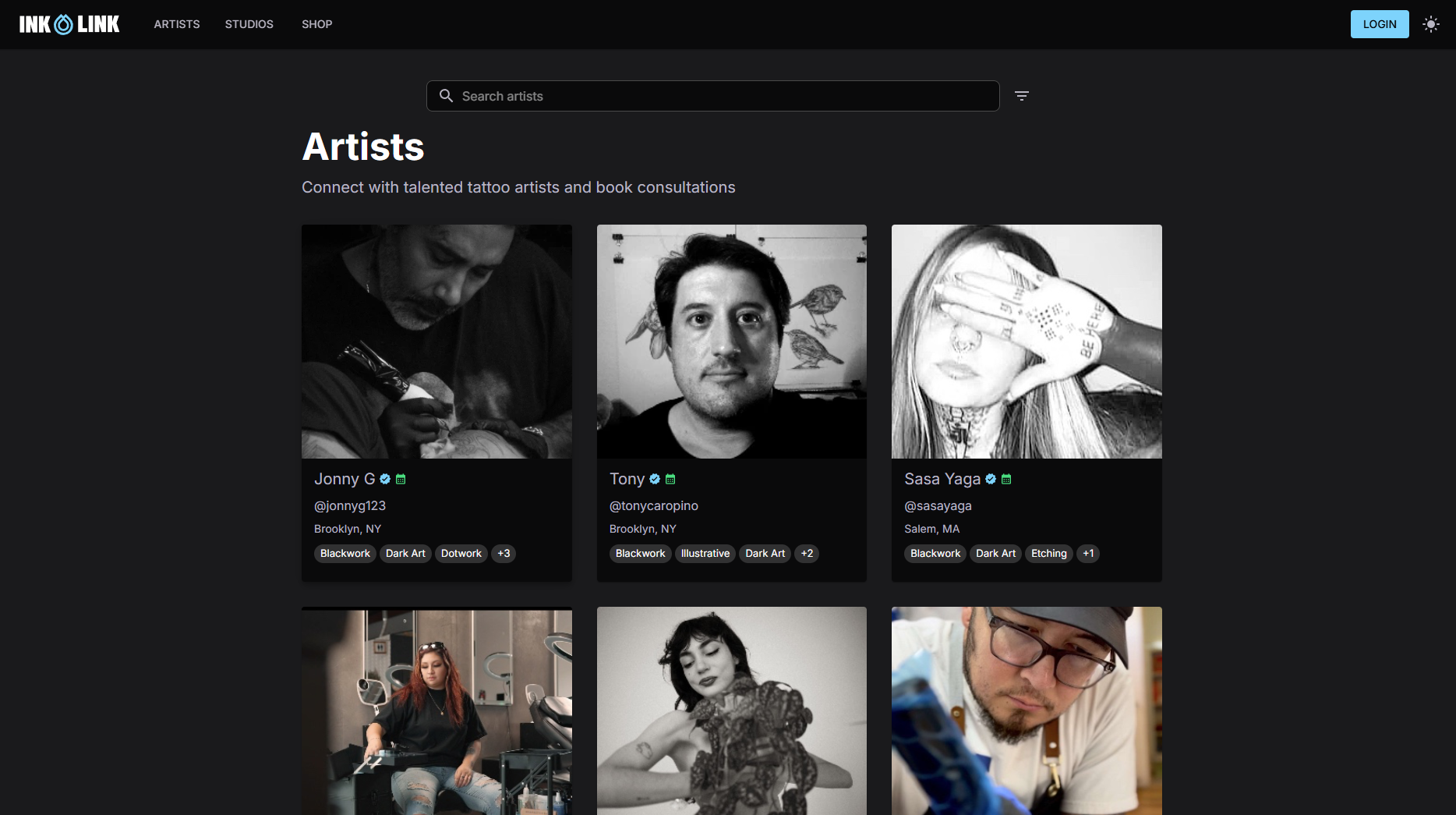
You can browse tattoo artists across styles and specialties, check out their portfolios, and see real availability before reaching out. Want to explore studios near you? Find nearby studios and get a feel for the environment before you commit. When you’re ready, book your consultation directly through the platform. No awkward phone calls, no guesswork. Just a straightforward path to great ink.
Frequently asked questions
How long does a tattoo consultation usually take?
Most consultations last between 20 and 45 minutes, depending on the complexity of the design and how many questions come up.
Are tattoo consultations free?
Some studios offer free consultations, but others may charge a small fee or deposit that counts toward your final tattoo cost.
What should I bring to my tattoo consultation?
Bring reference photos, a valid photo ID, and any allergy or health information that could affect your tattoo or healing process.
Can I change my tattoo idea after the consultation?
Yes, but significant changes may require a follow-up consultation to make sure you and your artist are still fully aligned on the new direction.
Why do so many people regret their first tattoo?
Poor planning is the top reason for tattoo regret, which is exactly why booking a proper consultation before your appointment is so important.