Tattoo booking trends 2026: Tech and collaboration
TL;DR:
Digital platforms are revolutionizing tattoo booking by streamlining scheduling, consent, and deposits, reducing administrative work.
AI and automation increase efficiency, decrease no-shows, and improve client-artist matching through real-time availability and personalized communication.
Collaboration campaigns and limited releases are reshaping booking dynamics, emphasizing artist authenticity, clear rights, and transparency over hype.
Tattoo booking used to mean sliding into someone’s DMs, waiting days for a reply, and hoping you remembered to ask all the right questions before your deposit cleared. That experience is fading fast. In 2026, digital platforms, automation, and a surge of brand-artist collaborations are reshaping every step of how collectors discover, book, and show up for appointments. Whether you’re chasing a specific artist or hunting a limited flash drop, understanding these shifts will save you time, money, and a lot of guesswork.
Table of Contents
-
Smarter booking: Deposits, automation, and AI for efficiency
-
Collaboration campaigns: Limited releases and collector value
-
Not all collaborations are created equal: Navigating hype vs. authenticity
-
What most collectors miss about 2026’s tattoo booking revolution
-
Explore streamlined tattoo booking and collaboration opportunities
Key Takeaways
| Point | Details |
|---|---|
| Digital booking is standard | Studios and artists in 2026 primarily use online systems for appointments, reminders, and forms. |
| Deposits and automation boost efficiency | Upfront deposits and AI-driven tools lead to fewer no-shows and better scheduling. |
| Collaborations drive unique releases | Limited-time campaigns and co-branded flash drops offer new ways to access sought-after designs. |
| Authenticity matters | Collectors get real value from collaborations that respect creative input, artist credit, and cultural integrity. |
| Platforms facilitate connection | Modern platforms link collectors with exclusive opportunities and streamline the entire booking experience. |
The rise of digital tattoo booking in 2026
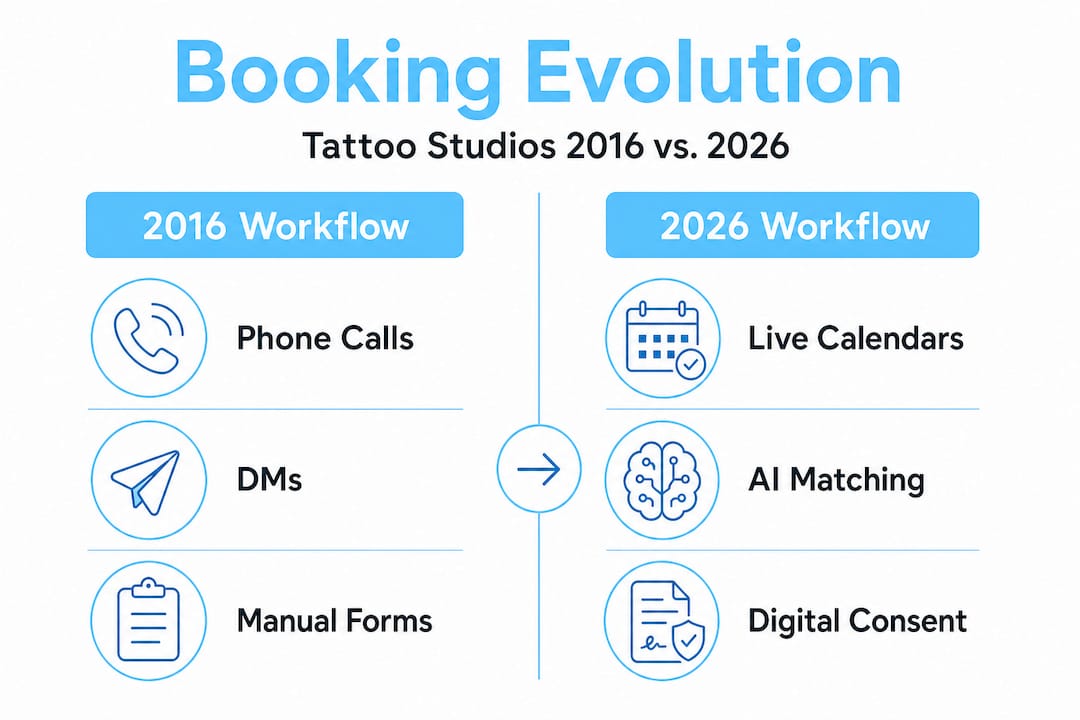
The tattoo industry has made a real leap into the digital age, and it’s changing what the booking experience looks like from the first inquiry to the moment you sit in the chair. Digital booking and intake workflows are increasingly central to tattoo shop operations heading into 2026, touching everything from scheduling to consent documentation.
Studios that once juggled phone calls and handwritten forms now rely on streamlined online systems. Clients fill out intake forms digitally, receive automated appointment reminders, and review aftercare instructions before they even walk through the door. Artists and studio owners spend less time on administrative back-and-forth and more time focused on the creative work.
Here’s what the modern digital booking workflow typically includes:
-
Online scheduling portals that show real-time availability
-
Digital consent and health forms completed before arrival
-
Automated reminders sent 48 and 24 hours before appointments
-
Pre-session questionnaires that help artists prep custom designs in advance
-
Integrated deposit collection tied directly to the booking confirmation
This shift benefits everyone. Studios see fewer no-shows. Clients arrive better prepared. And the administrative friction that used to eat up hours every week is largely gone.
| Old workflow | Modern digital workflow |
|---|---|
| Phone or DM to request a date | Online calendar with live availability |
| Paper consent forms at the door | Digital forms completed days before |
| Manual deposit reminders | Automated payment and reminder system |
| No standardized prep info | Auto-sent pre-session guides |
| Missed follow-ups | Automated post-session check-ins |
Pro Tip: Always review your digital consent forms thoroughly before your appointment. These documents cover health conditions, design agreements, and deposit terms. Skimming past them can lead to surprises on the day.
Understanding how to handle the business side of booking is just as valuable as knowing your preferred style. Artists who know how to manage deposits and booking requests efficiently keep their calendars full and their clients happy.
Smarter booking: Deposits, automation, and AI for efficiency
While digital systems make basics easier, efficiency tools like AI and automation are taking studio operations and booking accuracy to a new level.
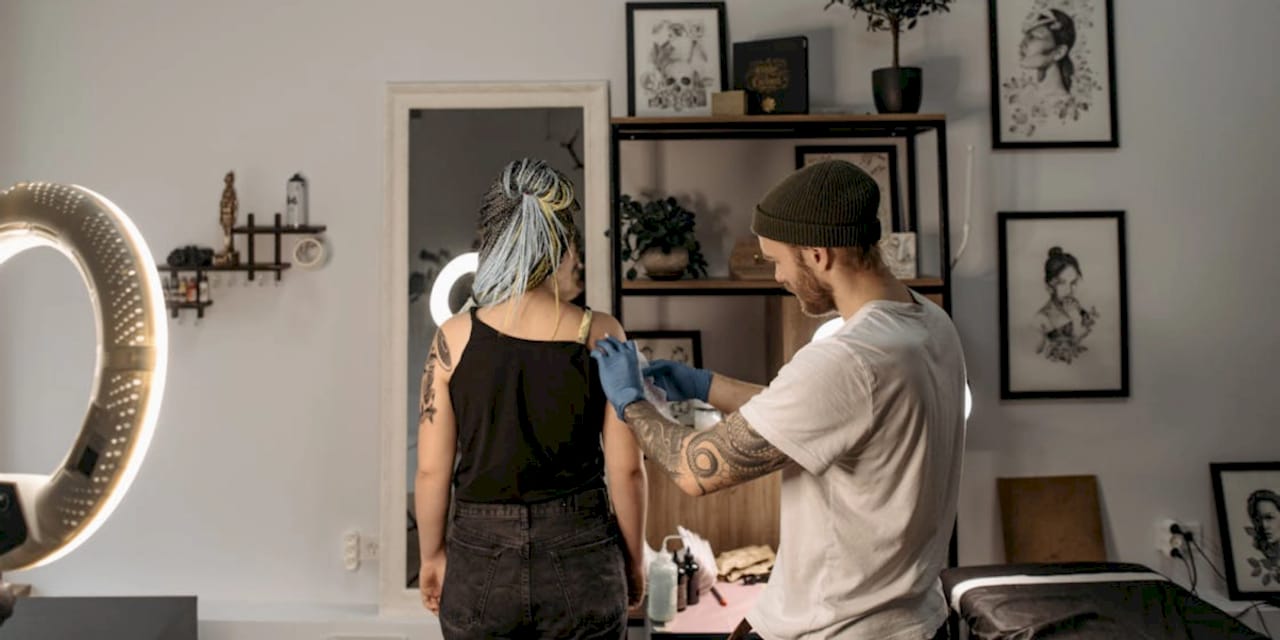
No-shows have historically been one of the most costly problems in tattoo studios. A missed three-hour appointment slot means lost income that’s almost impossible to recover on short notice. Today’s platforms address this directly. Studios are being pushed toward more efficient appointment mechanics, including deposit collection, automated reminders, waitlists, and better consultation-to-schedule conversion to reduce operational strain.
AI is also entering the picture in practical ways. Some platforms now use AI to handle common client inquiries, suggest available artists based on style preferences, and even flag scheduling conflicts before they become problems. This isn’t science fiction. These tools are already running in studios around the world.
Here’s how a collector typically books a session through a modern platform:
-
Browse artist portfolios filtered by style, location, and availability
-
Submit a booking request with reference images and design details
-
Receive an automated consultation link for a video or text consult
-
Confirm the appointment and pay the deposit through the platform
-
Get automated prep reminders and digital forms ahead of the session
-
Show up ready, with everything already documented and confirmed
“The days of chasing an artist via Instagram comments for a booking reply are numbered. Modern platforms put the logistics on autopilot, so both sides can focus on the tattoo itself.”
For an example of what a polished studio booking experience looks like in practice, take a look at how Old Traditions studio booking handles appointments through a centralized platform.
Pro Tip: When choosing a booking platform, prioritize ones that clearly break down costs, deposit policies, and cancellation terms upfront. Transparency at the booking stage prevents disputes and bad experiences down the line.
Collaboration campaigns: Limited releases and collector value
But booking mechanics aren’t the only trend. Artist collaborations and branded campaigns are also changing what gets booked, and how.
Tattoo artists and brands are continuing collaborations in 2026, which shapes how bookings and visibility are generated through flash sheets, appointment-driven promotions, and co-branded campaigns. The result is a new category of booking event: the limited release.
These campaigns typically work like this: a brand partners with one or more artists to create a themed flash sheet, with a specific booking window tied to the campaign. Slots open at a set time, and demand can be intense. For collectors who follow specific artists or love the aesthetic of a particular collab, these events can be genuinely exciting opportunities.
What makes a collaboration booking worth your time?
-
Clear artist credit: The individual artist’s name and style are front and center, not buried under the brand’s logo
-
Authentic design input: The flash reflects the artist’s actual aesthetic, not a generic corporate style
-
Defined booking window: There’s a real start and end date, creating urgency without artificial scarcity
-
Transparent pricing: The collab pricing matches the artist’s standard rates or explains any difference
-
Documented process: You know what you’re getting, and the artist has creative ownership of the piece
Collectors who track these campaigns consistently report that the most satisfying collaboration bookings are ones where the artist’s voice comes through clearly in the work.
Not all collaborations are created equal: Navigating hype vs. authenticity
Before you jump into a hyped campaign, it’s essential to know what makes a collaboration truly valuable for artists and collectors alike.
Not all collaborations are beneficial. Industry voices consistently point to contract clarity, fair pay, credited creative control, and defined usage rights as the markers that separate meaningful partnerships from marketing stunts. When those elements are missing, tattoo culture risks being flattened into a brand asset.
Red flags to watch for when evaluating a collaboration:
-
No visible artist credit on promotional materials or booking pages
-
One-size-fits-all flash that doesn’t reflect any specific artist’s style
-
Vague or absent contracts that give the brand total rights over designs
-
Below-market pay dressed up as “exposure”
-
No stated usage rights for the artist’s original work
“When a brand comes in and removes the artist from their own work, that’s not a collaboration. That’s just licensing with extra steps. Collectors deserve to know who made what they’re wearing permanently.”
What should you ask before booking a collaboration slot? Start with the basics: Who designed this flash? Is the artist being paid fairly? Does the artist retain any rights to the design? Can you find the artist’s independent portfolio to verify their style? These questions protect you as a collector and send a signal to the industry that authenticity matters.
What most collectors miss about 2026’s tattoo booking revolution
Here’s an honest take that most trend pieces skip over. Everyone is excited about the technology and the limited drops. But the real shift in 2026 isn’t about faster booking. It’s about whether these tools serve the art and the people making it.
Digital booking should streamline the collector and artist relationship, not reduce it to a transaction. When a platform makes intake forms easy and reminders automatic, that’s a genuine win. But when the ease of a frictionless booking process convinces collectors to skip doing their homework on an artist’s portfolio or a brand’s collaboration terms, the technology becomes a shortcut to a bad decision.
Collaboration-driven booking mechanics in 2026 often run through limited-time flash releases or appointment-linked promotions. But collector value depends entirely on whether the artist’s style and credit are preserved in the deal. A beautifully designed booking interface does not make a poorly structured collab worth your skin.
The collectors who are getting the most out of these trends are the ones treating technology as a research tool, not just a booking shortcut. They’re using digital platforms to discover artists they wouldn’t have found otherwise, reading portfolios carefully, and asking real questions before committing.
Pro Tip: Use every digital touchpoint as a way to get closer to the artist, not further from them. Send a thoughtful note with your booking request. Review their recent work. Ask about the collaboration’s background. Good technology makes these conversations easier, not unnecessary.
Explore streamlined tattoo booking and collaboration opportunities
The trends covered in this article are already active and growing. Ready to put these insights into action? Leading platforms are helping collectors and studios streamline the next wave of tattoo appointments.
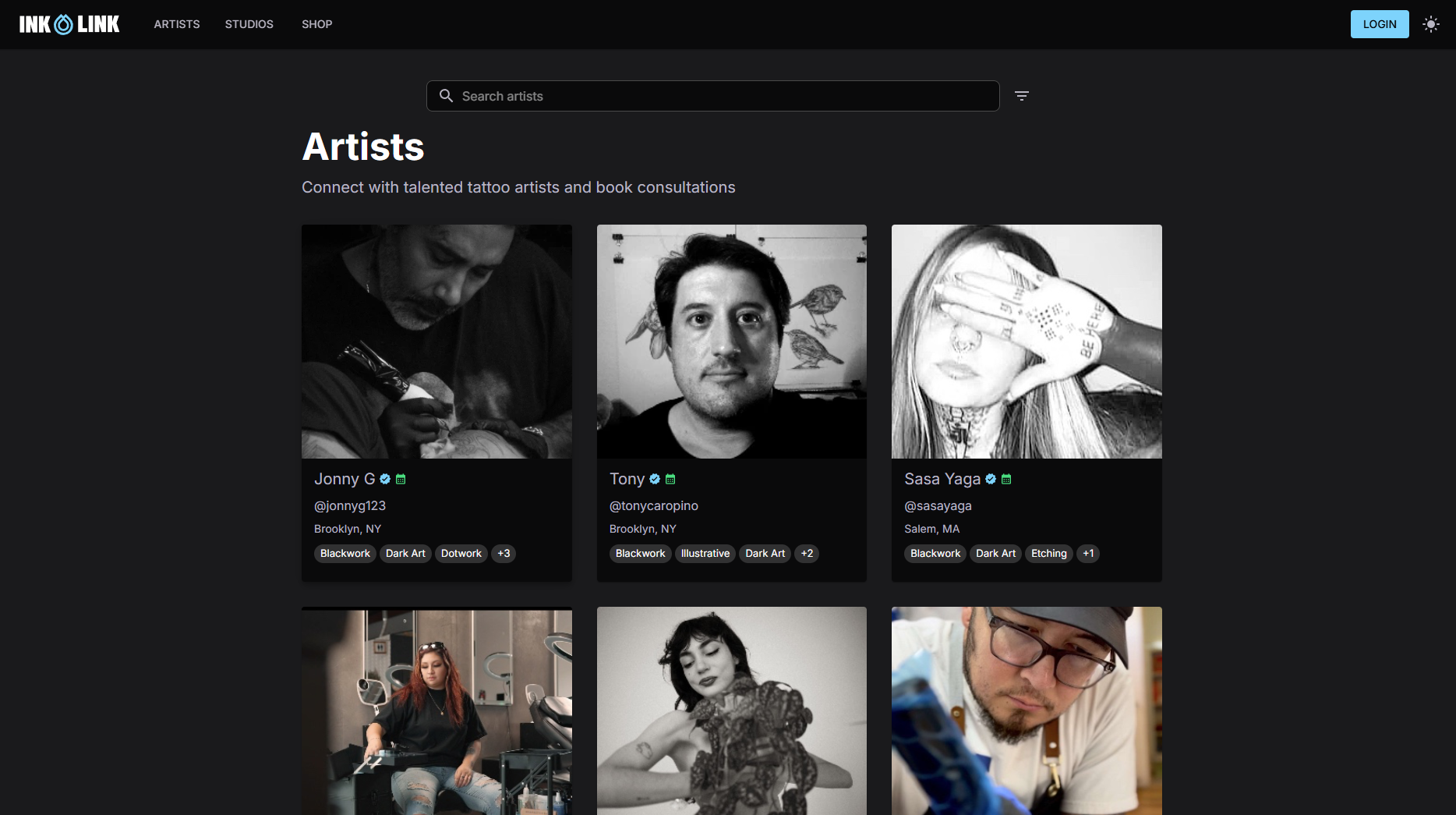
Ink Link is built for exactly this moment. As a modern booking platform, it connects collectors with artists and studios through a centralized system that handles portfolios, flash browsing, appointment scheduling, deposits, and client records in one place. You can browse studios to discover artists running collaboration campaigns, check real-time availability, and book with confidence knowing the tools are designed to keep the experience transparent and artist-forward. Whether you’re booking your first piece or adding to an extensive collection, Ink Link puts the right information in front of you at every step.
Frequently asked questions
What are the main benefits of booking a tattoo online in 2026?
Online booking means faster scheduling, digital forms, and fewer no-shows. Digital intake workflows streamline appointments for both artists and clients, making the entire process more transparent and organized.
How do deposits work with new booking platforms?
Deposits are typically required upfront and processed automatically to secure your spot. Efficient appointment mechanics including automated deposit collection have made this a standard part of the booking process at most studios.
How can I tell if a collaboration or flash event is worth booking?
Look for clear artist credit, fair pay, and designs that reflect the artist’s genuine style. Contract clarity and credited creative control are the clearest signals that a collaboration respects both the artist and the collector.
Are AI tools really used in tattoo booking now?
Yes. AI helps with inquiry management, smart rescheduling, and matching clients to artists. AI-assisted booking is delivering measurable efficiency improvements across studios of varying sizes.
Do these trends apply to all studios or just large ones?
While larger studios often lead adoption, even independent artists are embracing digital booking and collaboration tools. Industry reports confirm that digital booking trends are impacting studios at every scale.