Tattoo booking requests: How to secure your appointment
TL;DR:
Successful tattoo bookings require detailed inquiries with concept, size, placement, references, and budget.
Clear, organized communication and prompt responses increase chances of confirmation and build trust.
Deposits and adherence to cancellation policies ensure commitment and reduce no-shows.
Most people think booking a tattoo is as simple as sliding into an artist’s DMs and picking a date. It’s not. Artists and studios are running full schedules, managing multiple clients, and filtering dozens of inquiries every week. A vague message gets skipped. A detailed, thoughtful request gets a response. Understanding what goes into a proper tattoo booking request is the difference between waiting months and getting a confirmation within days.
Table of Contents
-
Collaboration: Working with your artist for the best outcome
-
Getting your booking accepted: Tips to increase your chances
-
The uncomfortable truth most tattoo seekers miss about booking requests
Key Takeaways
| Point | Details |
|---|---|
| Detailed requests matter | Providing complete information gives your tattoo booking the best chance of acceptance. |
| Collaboration is key | Working with your artist, sharing references, and trusting their expertise results in better tattoos. |
| Deposits protect everyone | Deposits reduce no-shows and confirm appointments, but strict cancellation rules apply. |
| Preparation boosts results | Get ready early, follow all studio instructions, and stay flexible to improve your tattoo experience. |
What goes into a tattoo booking request?
The booking process starts before you ever reach out to an artist. You need to research first. Look through portfolios on Instagram, studio websites, and platforms like Ink Link to find an artist whose style matches your vision. A realism artist isn’t the right fit for a bold traditional piece, and reaching out to the wrong person wastes everyone’s time.
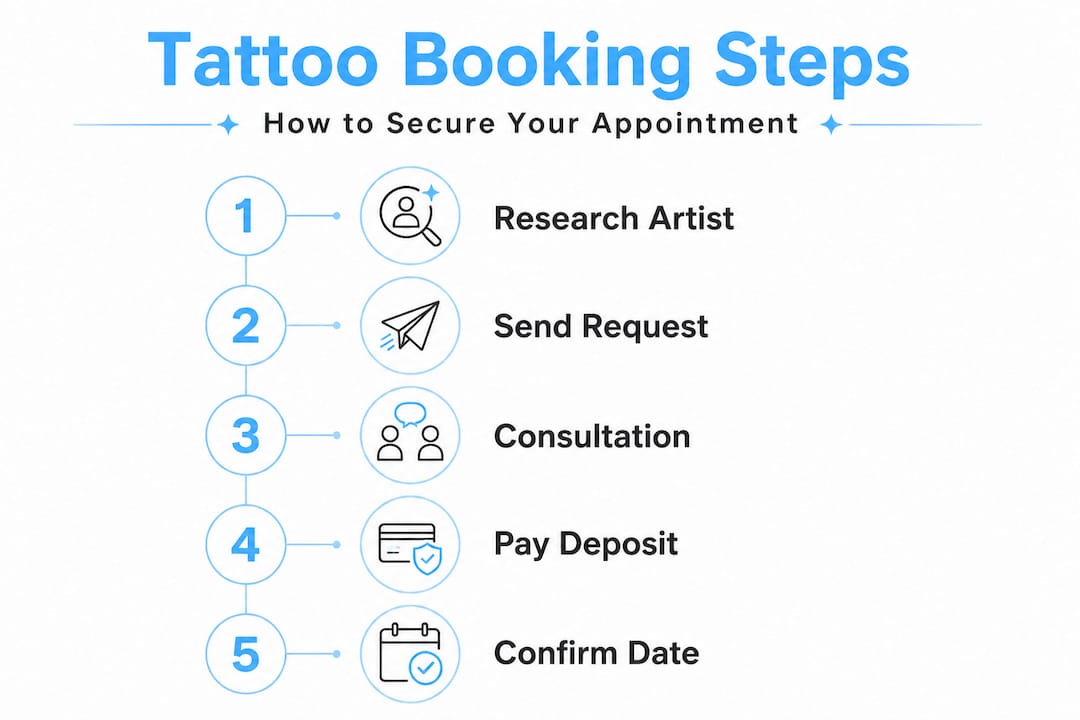
Once you’ve found the right match, your inquiry needs to cover some key details. Tattoo booking typically begins with selecting an artist who matches the desired style, then submitting a detailed inquiry with your concept description, size, placement, references, and budget. Every one of those elements matters.
Here’s what a strong booking request includes:
-
Concept description: What is the tattoo? A realistic wolf portrait? A floral sleeve? A geometric mandala? Be specific.
-
Size and placement: “Medium” means nothing. State the dimensions in inches and the exact body location.
-
Reference images: Photos of tattoos you love, images of the subject matter, or style references help the artist visualize your idea.
-
Budget range: Artists appreciate transparency. Knowing your budget helps them determine whether the project is a good fit.
-
Availability: Offer a few date windows rather than demanding one specific slot.
Some studios use online inquiry forms that prompt you for all of this information automatically. Others prefer email or DMs. Either way, the content should be the same. Check our tattoo booking tips to see what artists actually want to see in a first message.
| Inquiry method | Best for | Drawback |
|---|---|---|
| Online inquiry form | Studios with high volume | Less personal |
| Detailed projects | Slower response | |
| Direct message (DM) | Smaller studios, flash bookings | Easy to miss |
Pro Tip: Create a simple mood board with 3 to 5 reference images before you reach out. Artists move faster when they can see your vision clearly, rather than piecing it together from a text description. Use a tattoo booking checklist to make sure you haven’t missed anything before hitting send.
Collaboration: Working with your artist for the best outcome
Once your initial request is submitted, collaboration begins. And it can make or break your tattoo experience.
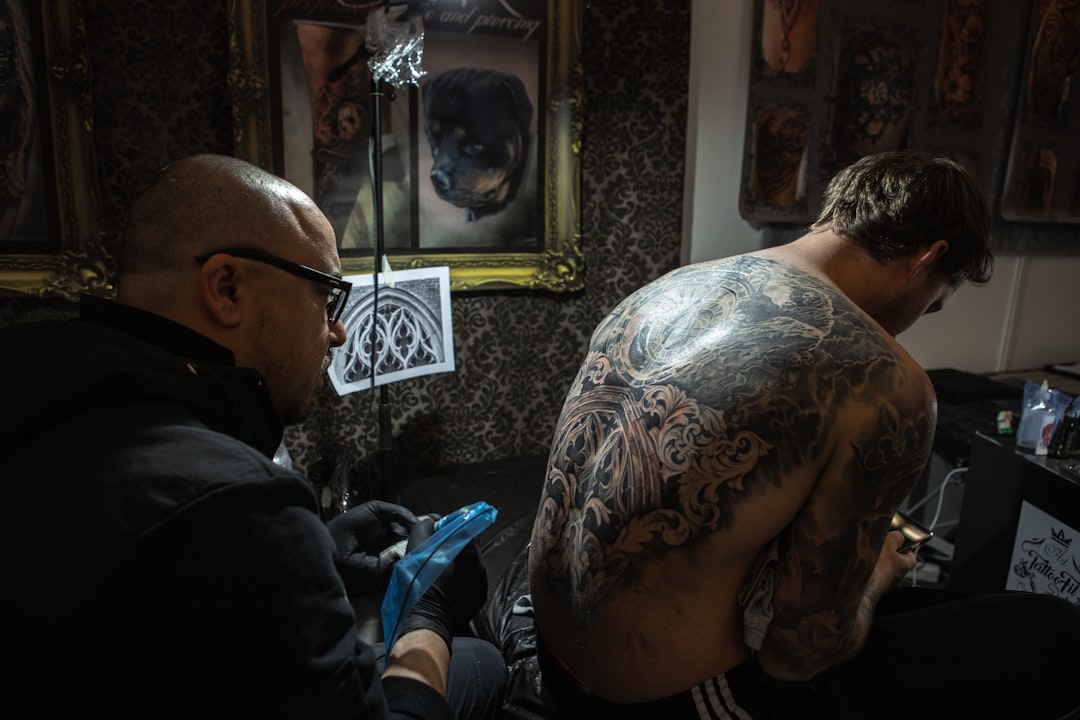
Bringing references is smart. But here’s where many clients go wrong: they expect a carbon copy of something they saw online. Every tattoo sits on a different body, in a different location, on skin with different texture and tone. Client-artist collaboration means bringing mood boards and references, but trusting the artist’s adjustments for skin flow, healing, and longevity, and avoiding trendy designs that won’t age well.
Your artist knows how ink spreads over time. They know which fine lines will blur and which bold shapes will hold. That’s expertise worth respecting. Here’s how to collaborate effectively:
-
Share your references and explain why you love them. Is it the shading? The composition? The color palette?
-
Ask questions during your consultation. What adjustments is the artist suggesting, and why?
-
Be open to size changes. Artists often recommend going slightly larger for detail to hold up over years.
-
Avoid locking in a design from another artist’s portfolio. Copying work is an ethical issue in the tattoo community.
-
Trust the process, especially for custom pieces that require a design session.
“The best tattoos come from clients who bring strong references but stay open to how the artist interprets them on skin. That trust is where the real creativity happens.”
Studios like Old Traditions Tattoo Parlor are good examples of how collaborative environments produce better results. When artist and client work together, the final piece reflects both the vision and the craft. For a step-by-step look at the collaboration process, check these artist collaboration steps.
Pro Tip: At your consultation, write down any questions you have beforehand. Coming in prepared shows respect for the artist’s time and ensures you don’t leave with unanswered concerns.
Deposits, cancellations, and confirmation: What to expect
Understanding collaboration is important, but following studio rules is just as critical to avoid losing your deposit or missing your spot.
Deposits are a standard part of the tattoo booking process. They protect the artist’s time and confirm your commitment. Here’s how the typical process works:
-
You submit your inquiry with all required details.
-
The artist reviews your request and responds with availability.
-
You pay a deposit to secure the appointment.
-
Your appointment is confirmed only after the deposit clears.
-
Any changes or cancellations must follow the studio’s specific policy.
Cancellation policies typically require 48 to 72 hours notice for rescheduling or transferring your appointment. Canceling with less than 24 to 48 hours notice, or simply not showing up, usually means you forfeit that deposit. Emergency situations may be handled case by case, but repeat cancellations can lead to higher deposit requirements or being declined for future bookings entirely.
| Scenario | Typical outcome |
|---|---|
| 72+ hours notice | Deposit transferred to new date |
| 24 to 48 hours notice | Depends on studio policy |
| Under 24 hours or no-show | Deposit forfeited |
| Emergency with documentation | Often handled case by case |
The numbers make the reasoning clear: deposits reduce no-shows by 60 to 80 percent, though they don’t eliminate them entirely. That’s a massive impact on an artist’s ability to run a sustainable schedule.
Many studios now use booking software to automate deposit collection, which means confirmation only happens after payment is processed. This protects artists and creates a smoother experience for everyone. Learn more about how these booking and deposit policies work across different studio types. You can also browse our tattoo studios directory to find studios with clear, upfront policies before you book. Before your session, review this appointment preparation guide so you’re ready on the day.
Getting your booking accepted: Tips to increase your chances
With deposit policies in mind, you now want to maximize your chances to move from request to confirmed appointment.
The artists who respond fastest aren’t necessarily the ones with the lightest schedules. They’re the ones who find a request easy to evaluate. Your job is to make that evaluation effortless. According to booking best practices, the most successful requests include a complete concept description, size, placement, references, and budget right from the start.
Here’s what separates accepted requests from ignored ones:
-
Complete your inquiry the first time. Missing information means follow-up questions, delays, and sometimes being passed over entirely.
-
Attach clear, relevant reference images. Low-quality or unrelated images slow down the process.
-
Specify exact placement. “Forearm” is better than “arm.” “Outer left forearm, 4 inches long” is even better.
-
Be flexible with scheduling. Offering two or three date windows shows you’re easy to work with.
-
Respond quickly. When an artist asks a follow-up question, reply the same day if possible. Slow responses lose spots.
-
Keep your message concise and respectful. Long, rambling messages are hard to parse. Get to the point clearly.
Looking at a real example helps: if you want a blackwork floral piece on your upper arm, your message should include the flower types, approximate size, which arm, your preferred session dates, a budget range, and three reference photos. That’s a request an artist can say yes to immediately. Browse real studio portfolios to understand the kind of work that inspires these requests before you write yours. And when you’re ready to prepare physically, follow tattoo prep stages to make sure your skin is ready for the session.
Pro Tip: Read the artist’s website or social media before sending your request. Many artists include their preferred inquiry format or list what they won’t tattoo. Following their stated preferences immediately sets you apart.
The uncomfortable truth most tattoo seekers miss about booking requests
Here’s what most booking guides won’t tell you: the way you communicate in your inquiry signals the kind of client you’ll be. Artists notice. A vague, disorganized request suggests a client who will be vague and disorganized during the actual appointment. A clear, respectful, detailed message suggests someone who values the artist’s time and will show up prepared.
We’ve seen the data firsthand. No-show rates drop by 60 to 80 percent when deposits are in place, but the clients who make it easy to confirm in the first place are the ones who keep coming back. Artists build loyal client rosters, and those rosters fill up with people who communicated well from day one.
The rise of booking software is actually shifting more responsibility to clients, not less. When artists automate their intake process, they’re filtering requests faster than ever. A half-complete form or a vague DM gets filtered out immediately. The bar for getting noticed has gone up. That means your artist booking request is now a first impression, a portfolio review, and a compatibility check all rolled into one message.
Take booking seriously. Treat your inquiry with the same attention you’d give your actual artwork choices. You’ll get faster responses, better collaborations, and a smoother experience from start to finish.
Book your next tattoo: Easy, secure, and tailored for you
Ready to put these tips to use? Ink Link makes your tattoo booking simple and stress-free by connecting you with artists and studios who are ready to take on new clients right now.
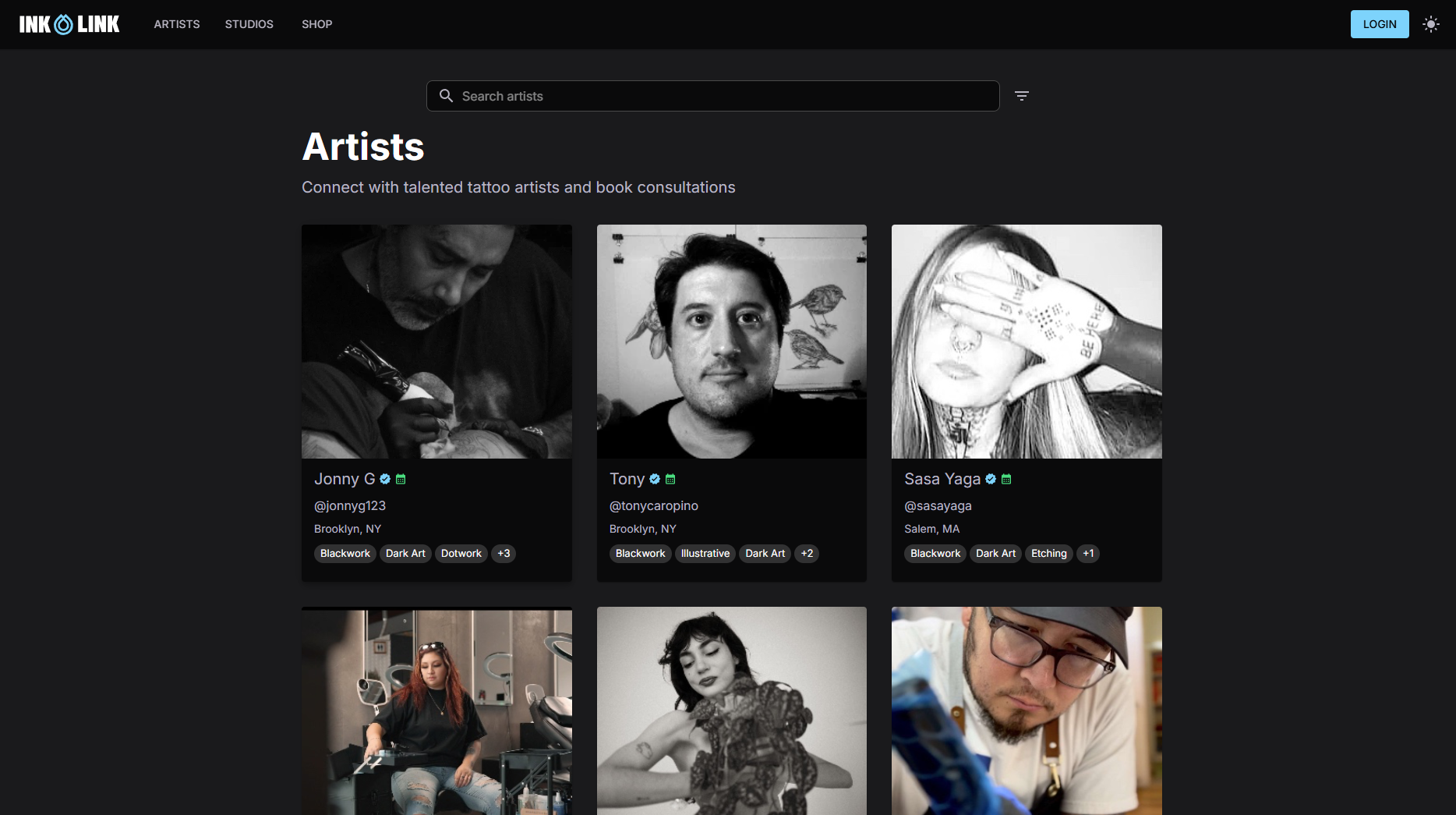
On Ink Link, you can find your artist, browse their full portfolio, and check real availability before you even send a message. No guessing whether they’re taking clients. No cold DMs into the void. You can also review studio pricing upfront so your budget conversation is already informed. When you’re ready, book online directly through the platform and pay your deposit securely in one step. It’s the most straightforward way to go from idea to confirmed appointment.
Frequently asked questions
What information should I include in my tattoo booking request?
You should describe your concept, including size, placement, reference images, and your budget range, so the artist has everything needed to evaluate your request right away.
How much notice do I need to give if I need to reschedule my appointment?
Most studios require 48 to 72 hours notice for rescheduling. Canceling with less notice typically results in losing your deposit.
What happens if I don’t pay the deposit?
Your appointment won’t be confirmed until the deposit is received, as studios confirm only post-payment, and your spot may be released to another client.
Should I bring reference images to my artist?
Yes, reference images are highly encouraged. Just be sure to trust artist adjustments for skin flow and longevity rather than expecting an exact replica of someone else’s tattoo.