Tattoo Artist Profiles Explained for Smarter Bookings

TL;DR:
A tattoo artist profile showcases an artist’s skills, style range, and technical control to help clients make informed choices.
Reviewing five to ten consistent portfolio pieces, especially healed work, ensures accurate evaluation of long-term quality; reliance on fresh photos or heavily edited images can be misleading.
A tattoo artist profile is a curated showcase of an artist’s skills, style range, and technical consistency, and it functions as the clearest signal you have before committing to permanent ink. Think of it as a visual contract that defines exactly what an artist can deliver and where their strengths end. Understanding tattoo artist profiles explained in full means knowing how to read portfolios, spot technical quality, and match an artist’s depth to your specific tattoo idea. Getting this right before you book saves you from regret that lasts a lifetime.
What to look for in a tattoo artist profile
The industry term for what most people call a “profile” is a tattoo portfolio, and the two terms are used together across studios, booking platforms, and artist websites. A strong portfolio does more than show pretty pictures. It reveals consistency, technical control, and whether an artist genuinely specializes in the style you want.
How many portfolio pieces should you review?
Volume matters when evaluating a portfolio. You should identify at least 5 to 10 portfolio pieces demonstrating consistent fluency in your desired style rather than relying on one or two standout images. One exceptional piece could be a lucky shot or a collaboration. Ten consistent pieces prove repeatable skill.
Look for the same quality across different clients, different body placements, and different subject matter within the same style. An artist who does excellent black and gray portraits on forearms but struggles with the same style on ribs or shoulders is showing you a limitation worth knowing about before you book.
Technical markers that reveal true skill
Technical consistency is the clearest sign of a skilled artist. Uniform line weight, absence of ink blowouts, and steady color saturation are the three markers to check regardless of style. These are not subjective preferences. They are measurable indicators of control.
-
Line weight: Lines should stay consistent in thickness throughout a piece, with no wobbling or uneven pressure marks.
-
Blowouts: A blowout happens when ink spreads under the skin beyond the intended line. Look for blurry edges or halos around lines in the portfolio.
-
Color saturation: Solid fills should look even, not patchy. Gradients should transition smoothly without muddy middle zones.
-
Composition: Pieces should feel balanced and intentional, not crowded or awkwardly placed on the body.
Pro Tip: Zoom into portfolio photos on your phone or computer screen. Blowouts and uneven saturation are easy to spot at higher magnification, even in professional photos.
Why healed photos matter more than fresh work
Fresh tattoo photos always look their best. The skin is raised, the colors are vivid, and the contrast is sharp. Healed photos show how tattoos age over time, revealing whether lines spread, colors settle unevenly, or details hold up after the skin recovers. This is information a fresh photo simply cannot give you.
An artist who includes healed work in their profile is showing confidence in their long-term results. An artist who only posts fresh work may be hiding how their tattoos look six months later. Always ask for healed examples if you do not see them in the portfolio.
Beware of over-edited portfolio photos
Heavy photo editing can mask technical flaws. Boosted contrast hides patchy saturation. Sharpening filters disguise soft or wobbly lines. Overly dark or dramatically lit photos can hide blowouts entirely. Genuine portfolio imagery looks consistent across different lighting conditions and does not rely on dramatic post-processing to look impressive.
Specialist vs. generalist: how to read artist profiles
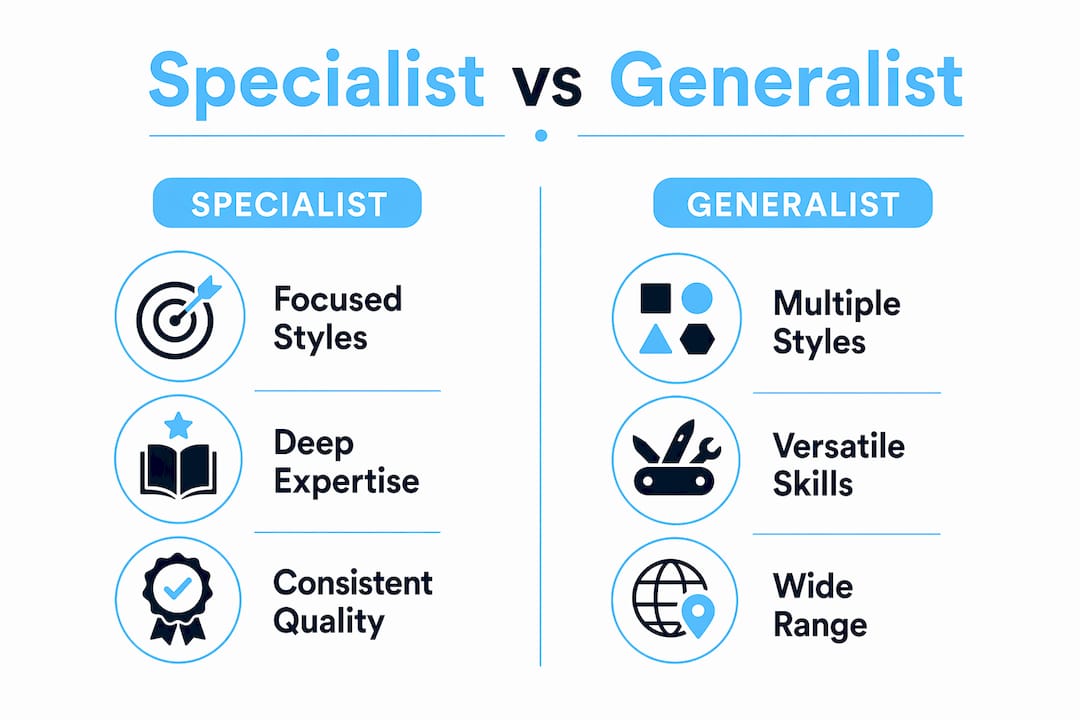
Understanding whether an artist is a specialist or a generalist is one of the most useful skills in evaluating tattoo artist profiles. The difference directly affects whether that artist is the right fit for your specific tattoo.
What specialist portfolios look like
A specialist artist focuses deeply on one or two styles and builds a portfolio full of variations within that focus. Specialist portfolios provide safer bets for complex tattoos, while generalists suit smaller or more flexible pieces. Common specialist styles include Japanese traditional, photorealism, fine line, geometric, and blackwork.
You can identify a specialist by looking at subject range within a consistent style. A Japanese specialist might show dragons, koi fish, peonies, and tigers, all executed with the same bold outlines, flat color fills, and traditional composition rules. The subject changes, but the technical language stays the same.
What generalist portfolios look like
A generalist artist works across multiple styles and shows range as their primary selling point. Their portfolio might include watercolor pieces, traditional American flash, black and gray portraits, and geometric patterns. This breadth is genuinely useful for clients who want a smaller, simpler piece or who are open to the artist’s interpretation.
| Profile type | Best for | Risk to consider |
|---|---|---|
| Specialist | Complex, large, or style-specific tattoos | Limited flexibility on design direction |
| Generalist | Smaller pieces, walk-ins, flexible concepts | Less depth in any single style |
| Mixed focus | Mid-size pieces with some style guidance | Requires careful portfolio review |
Pro Tip: If your tattoo involves fine detail, large scale, or a specific cultural style like Japanese or photorealism, always choose a specialist. The depth of their practice shows in the final result.
How body anatomy shows up in strong profiles
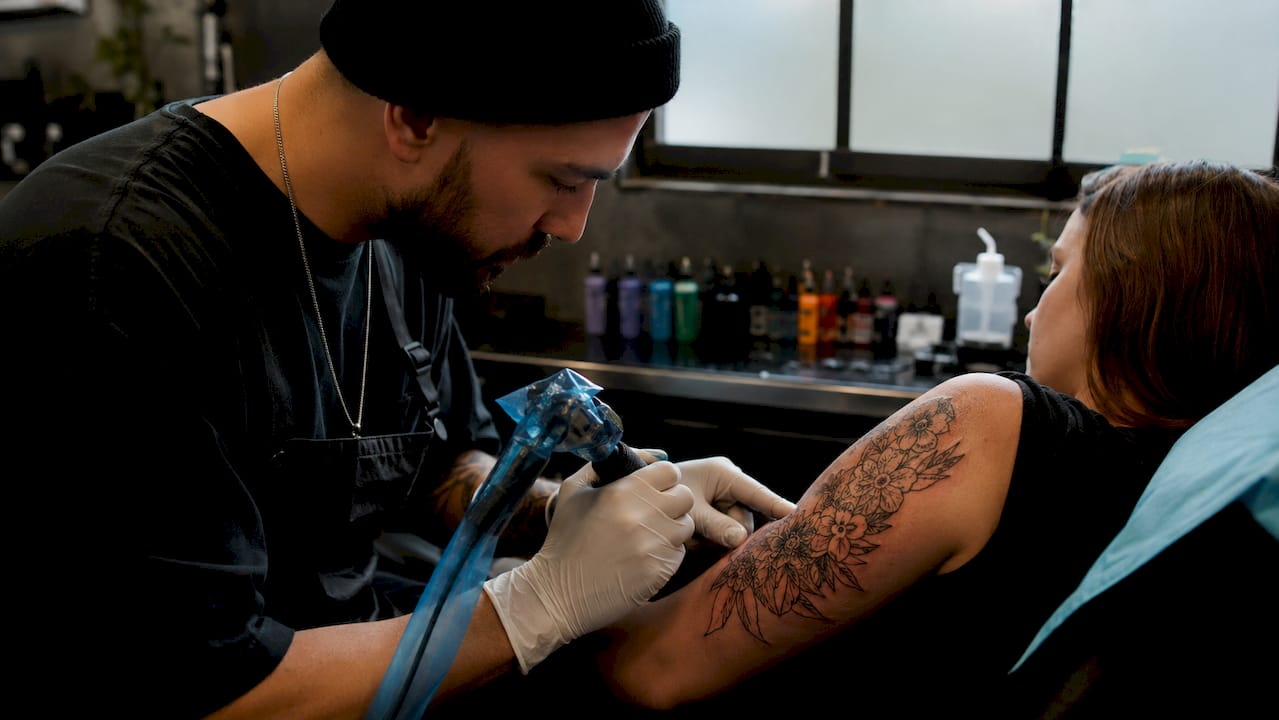
Designs crafted with understanding of body anatomy reveal an artist’s thoughtful judgment beyond technical skill. Tattoos that wrap naturally around muscles and joints, flow with the body’s curves, and account for how skin moves over time show a higher level of artistic thinking. Look for this in portfolio pieces placed on ribs, shoulders, thighs, and forearms. An artist who ignores body contours produces pieces that look flat or distorted in person, even if they photograph well.
Does digital presence reveal portfolio quality?
The short answer is yes, but only if you know where to look. An artist’s digital presence includes their Instagram account, their studio page, and any dedicated portfolio website they maintain. Each platform tells you something different.
Dedicated professional portfolio websites outperform Instagram accounts by offering organized style sections, booking options, and a structured client experience. A well-built portfolio site lets an artist group work by style, include healed photos alongside fresh ones, and present their booking process clearly. That structure signals professionalism and makes your research much easier.
Instagram is a useful starting point, but it has real limits. The platform’s algorithm rewards engagement, not technical craft. A post with dramatic lighting and a striking subject gets more likes than a technically perfect but understated piece. Instagram portfolios should be an entry point; professional portfolios with healed photos and project galleries provide a more authentic and lasting representation of an artist’s work.
Here is what a strong digital portfolio presence includes:
-
Style-organized galleries: Work grouped by style so clients can find relevant examples quickly.
-
Healed photo sections: A dedicated area for healed work, not just fresh tattoos.
-
Process documentation: Sketches, stencils, or in-progress shots that show how the artist thinks through a design.
-
Clear booking information: Rates, deposit requirements, and contact details presented without confusion.
-
Client testimonials: Written reviews that speak to both quality and the overall experience.
Artists on platforms like Ink link who organize their profiles with style-specific galleries and booking tools give clients a clearer picture than a social media feed alone ever could. The structure itself communicates that the artist takes their craft and their client relationships seriously.
How to compare tattoo artists using their profiles
Comparing profiles side by side is the most reliable way to find the right artist for your tattoo. A structured approach saves time and prevents the common mistake of choosing based on a single impressive image.
-
Build a shortlist of 3 to 5 artists. Find artists whose portfolios show clear fluency in the style you want. Do not include artists whose work is close but not quite right. Style fluency is non-negotiable.
-
Compare technical quality across portfolios. Look at line work, color saturation, and healed results for each artist on your list. Use the same criteria for every portfolio so your comparison stays fair and consistent.
-
Read client reviews carefully. Consistent feedback on quality, professionalism, and aftercare advice tells you more than a single glowing review. Look for patterns across multiple reviews, not just the most recent ones.
-
Communicate directly with the artist. Send a message describing your design idea, placement, and any reference images you have. How an artist responds tells you a lot about how they will handle the collaboration. A thoughtful, specific reply signals engagement. A vague or dismissive reply is a warning sign.
-
Treat pricing as a quality signal. Tattoo pricing reflects the artist’s experience, demand, and overhead. An artist with an exceptional portfolio charging premium rates is offering you a fair exchange. An artist with an inconsistent portfolio offering bargain prices is showing you exactly what to expect.
Pro Tip: Screenshot your favorite pieces from each artist’s portfolio and put them side by side in your phone’s photo gallery. Visual comparison is far more revealing than trying to remember details across separate browser tabs.
Platforms like Ink link make this comparison process much faster by centralizing artist profiles, portfolios, and booking availability in one place. You can browse multiple artists, check their style galleries, and reach out directly without jumping between Instagram, websites, and email threads.
Key takeaways
A tattoo artist’s portfolio is the single most reliable tool for predicting the quality and style of your tattoo before you book.
| Point | Details |
|---|---|
| Review at least 5–10 pieces | One standout image proves nothing; consistent quality across many pieces proves skill. |
| Prioritize healed photos | Fresh tattoo photos flatter every artist; healed work shows you the honest long-term result. |
| Match specialization to complexity | Choose a specialist for complex or large tattoos and a generalist for smaller, flexible pieces. |
| Go beyond Instagram | Use social media as a starting point, then research dedicated portfolio sites for deeper evaluation. |
| Compare before you commit | Build a shortlist of 3–5 artists and evaluate technical quality side by side before reaching out. |
What I have learned from years of reading tattoo portfolios
The single biggest mistake I see clients make is falling in love with one image. They find a stunning piece on an artist’s Instagram, book immediately, and then discover the rest of the portfolio does not hold up. That one image was the artist’s best day, not their average day.
Healed photos changed how I evaluate artists entirely. Fresh tattoos are always flattering. Healed work is honest. When I started asking artists specifically for healed examples before booking, my confidence in the final result went up dramatically. Artists who share healed work without hesitation are proud of their long-term results. Artists who deflect or say they do not have healed photos available are telling you something important.
Specialization is underrated by first-time clients and overrated by experienced ones. A true specialist in Japanese traditional or photorealism will almost always outperform a generalist on a complex piece in that style. But for a small illustrative piece or a fun flash design, a skilled generalist is a perfectly good choice. The mistake is applying specialist-level expectations to a generalist artist, or expecting a specialist to be flexible about style when their whole practice is built around consistency.
Portfolio authenticity matters more than polish. An artist with a clean, well-lit, consistently photographed portfolio that shows real healed work and honest process shots earns more of my trust than an artist with dramatically edited images that look more like digital art than tattoo photography. The goal of a portfolio is to show you what the artist actually does. When the photography is doing more work than the tattooing, that is worth noticing.
Find your next artist on Ink link
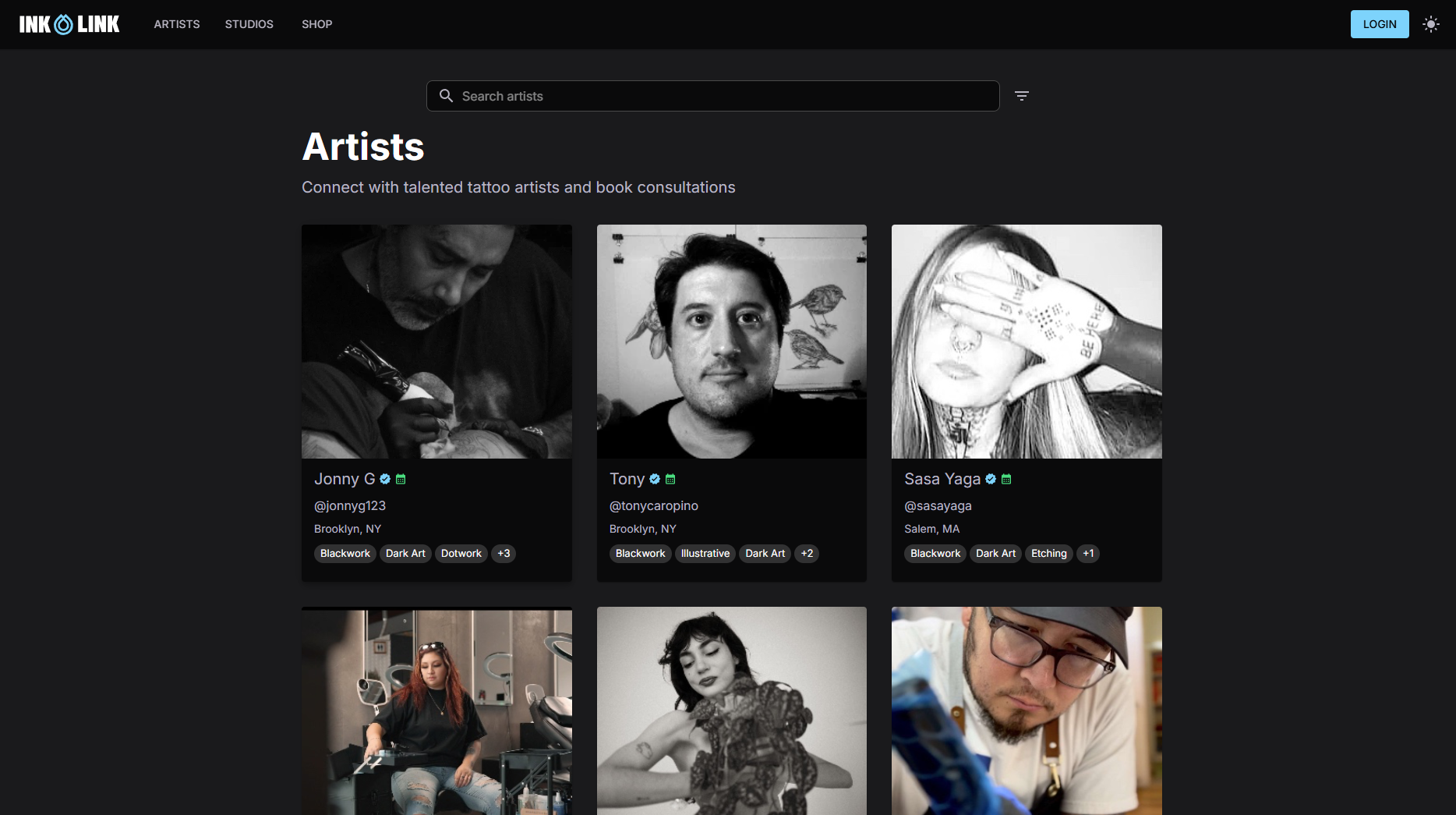
Ink link is a tattoo booking platform built for exactly this kind of research. You can browse artist profiles with curated portfolios organized by style, check availability, and book directly without the back-and-forth of DMs and email chains. Studios like Old Traditions Tattoo Parlor showcase their artists’ work with the kind of clarity and structure that makes comparing portfolios straightforward. Whether you are looking for a specialist in Japanese traditional or a generalist for your next flash piece, Ink link connects you to artists and studios you can trust, all in one place.
FAQ
What is a tattoo artist profile?
A tattoo artist profile is a portfolio of an artist’s work combined with their booking information, style specialization, and client reviews. It functions as a visual contract showing clients exactly what the artist can and cannot do.
How do I read a tattoo artist’s portfolio effectively?
Look for at least 5 to 10 consistent examples in your desired style, check for uniform line weight and no blowouts, and always seek out healed photos alongside fresh work.
Why are healed tattoo photos important in a portfolio?
Healed photos reveal how lines hold, colors settle, and details survive after the skin recovers. Fresh photos always look their best and cannot show you long-term quality.
Should I choose a specialist or a generalist tattoo artist?
Choose a specialist for complex, large, or style-specific tattoos. Choose a generalist for smaller, simpler, or more flexible pieces where exact style fidelity is less critical.
Is Instagram enough to evaluate a tattoo artist?
No. Instagram should be your starting point only. Dedicated portfolio websites with organized style sections, healed work, and booking tools give you a far more accurate picture of an artist’s real capabilities.