Minimum Tattoo Price Explained: Your 2026 Budget Guide
TL;DR:
- The shop minimum is the base fee every client pays, covering essential supplies and safety costs. Pricing varies by location, with major cities charging more due to higher overhead. Costs increase with tattoo size and design complexity, shifting from flat rates to hourly charges for larger or detailed pieces.
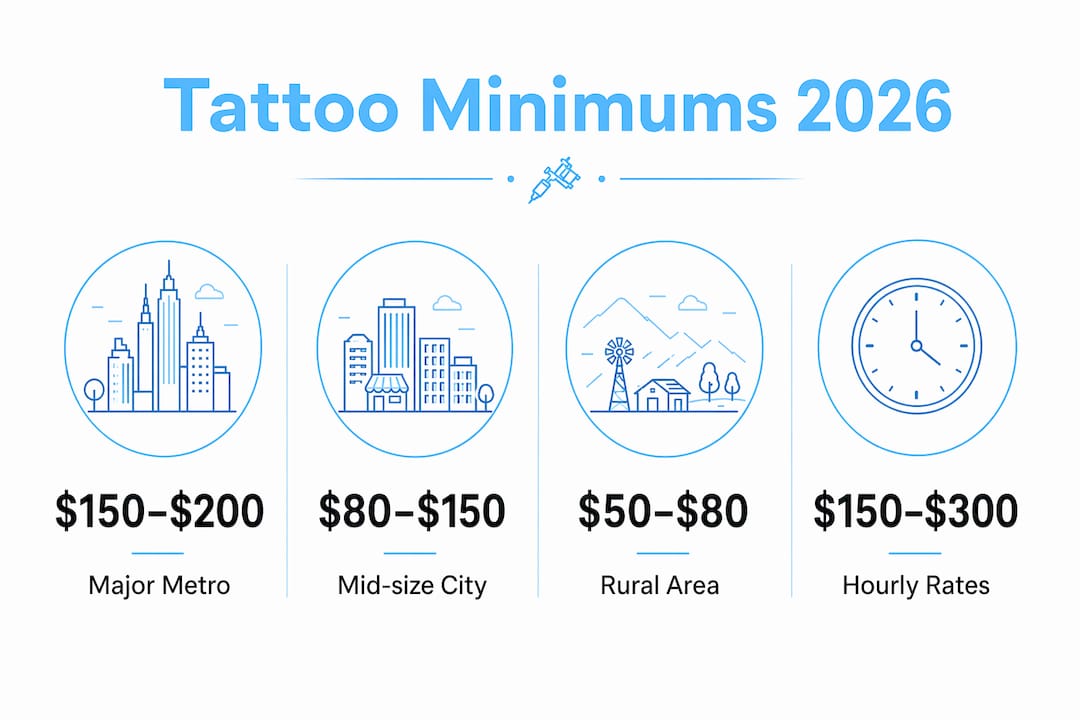
The minimum tattoo price is the base fee a tattoo shop charges every client, regardless of how small or simple the design is. Most shops in the USA set this floor between $80 and $150, with major cities pushing it to $150–$200. That fee covers single-use needles, medical-grade sterilization, gloves, ink setup, and the artist’s time before the machine even touches your skin. Understanding what drives that number helps you budget accurately and avoid the traps that come with chasing the cheapest price in the room.
What is minimum tattoo price and what does it actually cover?
The minimum tattoo charge is not a markup. It is the real cost of running a professional, safe tattoo appointment. Minimum fees cover essential overhead including medical-grade sterilization, single-use needles, gloves, inks, and artist prep time. These costs exist whether you are getting a tiny star on your wrist or a full sleeve consultation.
Think about the logistics. An artist must set up a sterile workstation, open fresh needle cartridges, prepare ink caps, and wear proper protective gear for every single appointment. Small tattoos under 2 inches require 15–45 minutes of total appointment time regardless of size. That window includes setup, the actual tattooing, and breakdown of the station afterward.
The industry term for this floor charge is the “shop minimum.” You will hear artists and studios use this term interchangeably with “minimum charge” or “minimum fee.” Knowing the standard term helps when you call a shop or browse artist profiles on platforms like Ink link. Every shop has one, and every client pays it, even for the smallest piece.
How do location and shop type affect the minimum tattoo cost?
Geography is one of the biggest drivers of tattoo pricing. Shop minimums in the USA typically range from $80 to $150 nationally, but major metropolitan areas charge $150–$200 as a starting point. Rural towns and smaller markets often sit lower, around $60–$80. That gap reflects real differences in rent, utilities, licensing fees, and local wage expectations.

A shop in Manhattan or Los Angeles carries significantly higher overhead than one in rural Ohio. The artist working in a high-rent studio must charge more just to keep the lights on and maintain professional standards. That is not price gouging. It is math.
Shop type also matters. A high-end private studio with a curated artist roster will set a higher minimum than a walk-in street shop. Neither is automatically better or worse. The right choice depends on your design, your artist preference, and your budget. Browsing tattoo studios by region on Ink link gives you a fast read on what minimums look like in your area before you ever pick up the phone.
Regional minimum price ranges at a glance
| Location type | Typical shop minimum |
|---|---|
| Major metro (NYC, LA, Chicago) | $150–$200 |
| Mid-size cities | $100–$150 |
| National average | $80–$150 |
| Rural or small towns | $60–$80 |
Prices reflect 2026 market conditions and vary by shop and artist reputation.
How does tattoo size and design complexity affect the total price?
The shop minimum is your starting point, not your final number. Once your tattoo grows beyond what fits in a 2-inch square, pricing shifts from the flat minimum to a size and complexity calculation. Understanding these tiers helps you set a realistic budget before your consultation.
Here is how size categories generally break down in 2026:
- Tiny or micro (under 1 inch): Falls at or near the shop minimum, typically $80–$150. These are simple symbols, small words, or minimal line work.
- Small (1–2 inches): Still often priced at the minimum, but detailed designs in this range may push slightly above it.
- Medium (2–4 inches): Flat piece pricing applies for simpler designs. Detailed or shaded work moves into hourly rate territory.
- Large (4+ inches): Almost always priced by hourly rate. Larger tattoos like sleeves or back pieces can quickly cost thousands and often require multiple sessions.
Design complexity adds cost at every size level. A simple black outline takes far less time than the same shape filled with color gradients or fine-line shading. An artist tattooing a geometric mandala in the same 3-inch space as a basic heart will charge more, because the work demands more skill and more time.
Flat piece pricing vs. hourly rates
Tattoo pricing uses two main models: flat piece pricing for simple small pieces and hourly rates for larger custom work. Flat pricing gives you a set number upfront. Hourly pricing means the final cost depends on how long the session runs.
Flat pricing works well for flash designs, simple text, or small symbols where the artist can accurately predict the time needed. Hourly pricing protects both the artist and the client on complex custom pieces where the scope can shift. Knowing which model applies to your tattoo before you book prevents surprises at checkout.
Pro Tip: Ask your artist directly during the consultation: “Do you price this as a flat piece or by the hour?” That one question eliminates the most common source of sticker shock on tattoo day.
What pricing models do tattoo artists use?
Professional tattoo artists use two core pricing structures, and both connect directly to the shop minimum. Understanding how each works helps you predict your total cost with confidence.
1. Flat piece pricing
The artist sets a single price for the entire tattoo. This model works best for smaller, well-defined designs where the time investment is predictable. The flat price will always be at or above the shop minimum. You know your number before you sit down.
2. Hourly rate pricing
The artist charges a set rate per hour of tattooing. Standard hourly rates for reputable artists range from $150 to $300 or more in 2026, depending on skill and reputation. Elite artists with long waitlists charge significantly more and book months in advance. The shop minimum still applies as the floor for any session, even a short one.
3. How minimums fit into both models
The shop minimum acts as a guaranteed floor. If your flat piece price comes in below the minimum, you pay the minimum. If your hourly session ends quickly, you still pay the minimum. The minimum protects the shop’s ability to cover fixed costs on every appointment, no matter how brief.
4. Why upfront communication matters
Professional artists rarely quote fixed prices remotely. They base estimates on design complexity and time, applying minimum fees to keep the business sustainable. Asking for a price over social media without sharing reference images or size details will get you a range at best.
5. What to confirm before booking
Before you commit to an appointment, confirm the shop minimum, the pricing model for your specific piece, the deposit amount, and the cancellation policy. Ink link’s booking and deposit guide walks through exactly what to expect from this process with a professional artist.
Pro Tip: Bring clear reference images and a specific size in mind to your consultation. Artists give more accurate estimates when they can see exactly what you want and where it goes.
What are the risks of going below the minimum tattoo price?
A tattoo priced below the professional market minimum is a warning sign, not a deal. Shops charging $40 or below as a minimum typically cut corners on safety, hygiene, or quality. The math does not work at that price point. Needles, inks, gloves, and sterilization supplies cost real money. If the price does not cover those costs, something is being skipped.
The consequences are not just aesthetic. Unsterile practices create real infection risks. Bloodborne pathogens, skin infections, and allergic reactions from low-quality inks are documented outcomes of unsafe tattooing. A tattoo that goes wrong medically costs far more to treat than the money saved on the original price.
“Cheap tattoos often end up more expensive due to poor quality and health risks. Professionals advise paying the minimum for quality and safety.” — Tattoo cost pricing guide
The long-term financial cost of a bad tattoo is also significant. Cover-ups require a skilled artist willing to work over existing ink, which adds complexity and cost. Laser removal runs into hundreds or thousands of dollars over multiple sessions. The savings from a below-minimum tattoo evaporate quickly when you factor in correction costs.
Here is what to watch for when evaluating a shop’s pricing:
- Prices that seem too low to cover basic supplies
- No clear sterilization or autoclave certification visible
- Artists who cannot explain their pricing model
- Unusually low quotes sent via email without seeing your design
- No deposit required to hold your appointment
Licensed, experienced artists charge professional minimums because those fees fund the standards that keep you safe. Paying the market minimum is not just about getting a better-looking tattoo. It is about protecting your health.
How to budget and prepare for your tattoo appointment
Budgeting for a tattoo starts with accepting that the shop minimum is your floor, not your ceiling. Once you know the minimum in your area, you can build a realistic estimate based on size and complexity.
Here are the steps that make the process straightforward:
- Research local minimums first. Check artist profiles and studio pages in your area. Ink link lets you browse verified artists with pricing so you can compare before reaching out.
- Define your design and size before consulting. The more specific you are, the more accurate your estimate will be. Bring reference images and a body placement in mind.
- Ask about the pricing model. Confirm whether your piece will be flat-priced or hourly. For larger work, ask for a time estimate so you can calculate a range.
- Budget for the deposit. Most professional shops require a non-refundable deposit to hold your appointment. This amount typically applies toward your final price.
- Plan for multiple sessions on larger work. Sleeves, back pieces, and detailed large-scale tattoos rarely finish in one sitting. Budget for the full project, not just the first session.
- Add a buffer. Designs often evolve slightly during consultation. A 15–20% buffer on your estimated total prevents stress if the scope shifts.
Pro Tip: Use online tattoo cost calculators as a starting point, then confirm with your artist directly. Calculators give you a ballpark; your artist gives you the real number.
Key Takeaways
The shop minimum is the non-negotiable floor of tattoo pricing, and every other cost builds from it.
| Point | Details |
|---|---|
| Shop minimum range | Most U.S. shops charge $80–$150 minimum; major cities start at $150–$200. |
| What the minimum covers | Single-use needles, sterilization, gloves, inks, and artist prep time. |
| Size drives cost above minimum | Tiny and small tattoos often land at the minimum; larger pieces shift to hourly rates. |
| Two pricing models exist | Flat piece pricing suits small designs; hourly rates apply to larger custom work. |
| Below-minimum pricing is risky | Prices under $40 signal cut corners on safety, leading to health risks and costly corrections. |
Why I stopped looking for the cheapest tattoo and what changed
The first time I seriously researched tattoo pricing, I spent a week trying to find the lowest possible number. I thought the minimum charge was a scam, a way for shops to squeeze extra money out of clients who just wanted something small. I was wrong, and it took one bad experience to understand why.
A friend of mine got a tiny tattoo at a shop charging well below the market minimum. The work looked fine at first. Six weeks later, the lines had blown out and the ink had faded unevenly. The shop had used low-quality ink and skipped proper aftercare guidance. The fix cost more than three times the original price.
What I have learned from watching dozens of people go through the tattoo process is that first-time clients consistently underestimate what goes into a professional appointment. The minimum is not padding. It is the cost of doing the job correctly. When you see an artist with a clean, well-lit studio, fresh needle packaging opened in front of you, and a clear consultation process, that minimum is paying for all of it.
The other thing I have noticed is that clients who communicate openly with their artist before booking almost always have better experiences. Asking about the shop minimum, the pricing model, and the deposit policy is not awkward. It is professional. Artists respect clients who come prepared. It signals that you take the process seriously, and that tends to result in more care and attention on the artist’s end too.
My honest advice: set your budget, research artists whose style matches your vision, and then have a real conversation. The right artist at the right price point is out there. You just have to look in the right places.
— Matthew
Tattoo pricing made clearer with Ink link
Finding an artist whose pricing fits your budget should not require hours of scrolling through social media or sending cold messages with no response.
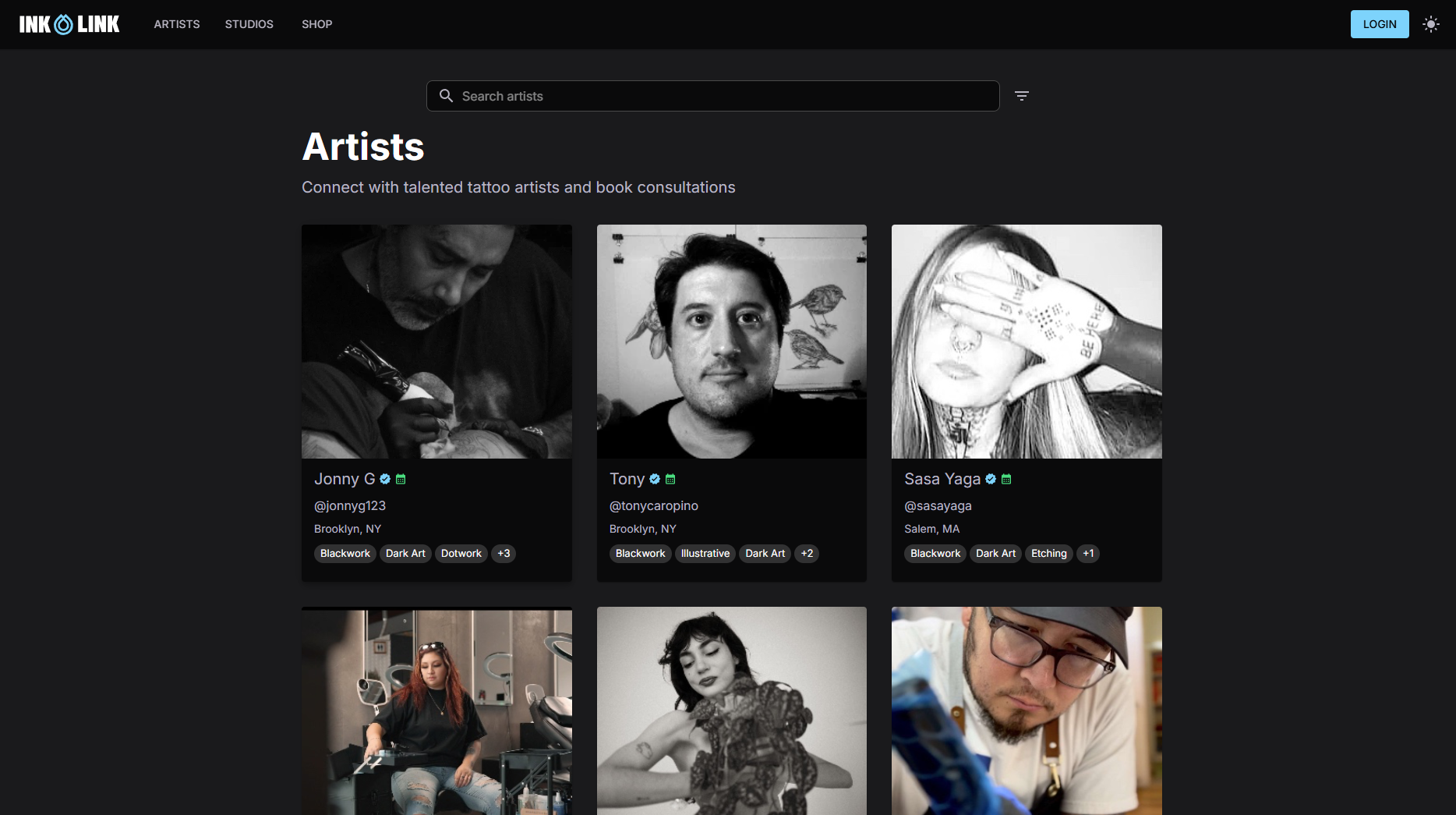
Ink link brings together verified tattoo artists and studios in one place, with portfolio browsing, style filtering, and booking tools built for clients who want transparency before they commit. You can view studio minimums, browse artist profiles like those at Old Traditions Tattoo Parlor, and book appointments with clear pricing expectations from the start. Whether you are planning your first small piece or a multi-session project, Ink link gives you the information you need to walk into your appointment with confidence.
FAQ
What is the average minimum tattoo price in the USA?
The national average shop minimum ranges from $80 to $150. Major cities like New York and Los Angeles typically start at $150–$200.
Why do tattoo shops charge a minimum fee?
The minimum fee covers fixed costs including single-use needles, sterilization, gloves, inks, and artist prep time. These costs apply to every appointment regardless of tattoo size.
How much does a small tattoo cost?
Small tattoos under 2 inches typically fall at or near the shop minimum, between $80 and $150, and take 15–45 minutes of total appointment time.
What is the difference between flat pricing and hourly rates?
Flat pricing sets one price for the entire piece, best for simple small designs. Hourly rates apply to larger custom work, with professional artists charging $150–$300 or more per hour in 2026.
Is it safe to get a tattoo priced below the shop minimum?
Tattoo shops charging $40 or below typically cut corners on safety, hygiene, or quality. Below-minimum pricing is a red flag that can lead to infections, poor results, and costly corrections.