How to prepare for your first tattoo session
TL;DR:
Preparation, including eating and proper clothing, ensures a smoother tattoo session and healing process.
Choosing an artist with a consistent style, good reviews, and proper sterilization is essential.
Proper aftercare, sun protection, and moisturizing help maintain tattoo vibrancy and prevent fading over time.
Getting your first tattoo is exciting, but it’s completely normal to feel nervous. Maybe you’re unsure what to wear, whether you’ll feel faint, or how to act in the studio. The good news is that most of those worries go away with a little preparation. This guide walks you through everything you need to know, from the days before your appointment to the weeks of healing afterward, so you can walk into the studio feeling confident and ready.
Table of Contents
Key Takeaways
| Point | Details |
|---|---|
| Meal and hydration matter | Eating well and staying hydrated before the session prevents fainting and helps keep you comfortable. |
| Choose your artist wisely | Matching your tattoo design to the right artist’s style ensures lasting satisfaction and quality. |
| Bring layers and snacks | Long tattoo sessions are easier and safer when you pack snacks, water, and extra clothing for warmth. |
| Follow aftercare instructions | Proper aftercare and patience during healing are critical for vibrant, infection-free tattoos. |
| Protect your tattoo long-term | Applying daily sunscreen and moisturizing keeps your tattoo looking fresh and prevents fading. |
What to do before your tattoo session
Once you’ve decided to get a tattoo, it’s time to prepare for the session. Here’s what you need to know before stepping into the studio.
Physical preparation matters more than most first-timers expect. Your skin condition, energy levels, and comfort all affect how well the session goes and how smoothly you heal afterward. Think of it like preparing for a long hike. You wouldn’t show up exhausted and dehydrated and expect it to go well.
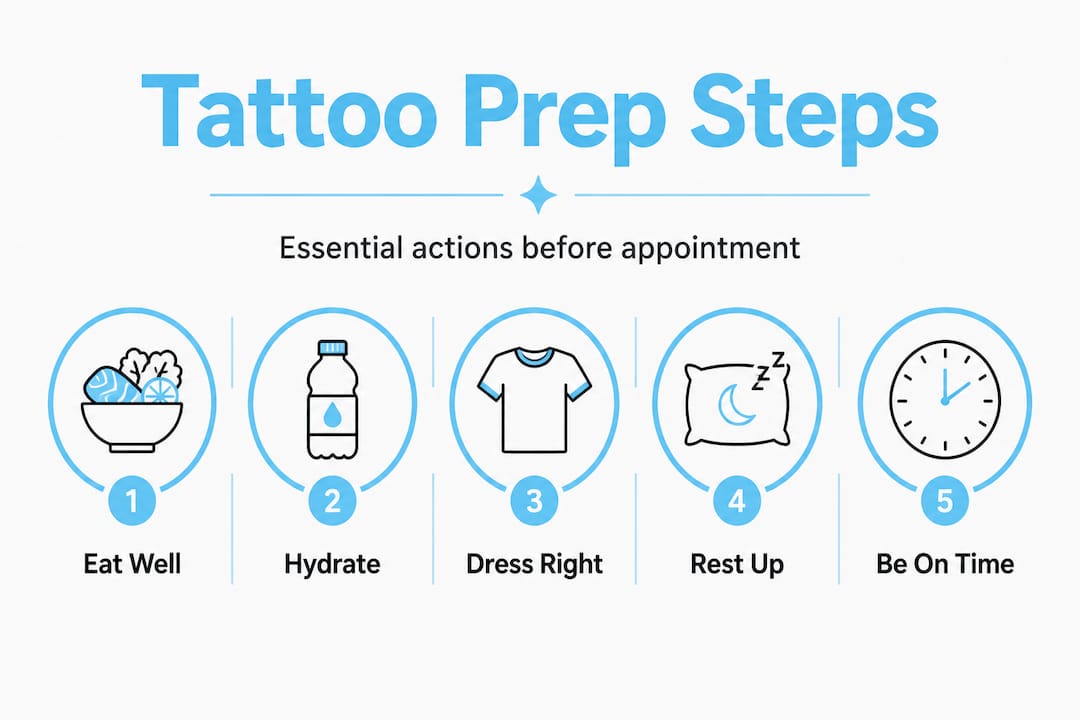
One of the most important things you can do is eat a full meal about one to two hours before your appointment, something high in protein to keep your blood sugar stable. Bring snacks and water too, especially if your session runs longer than expected. Low blood sugar is one of the most common reasons people feel lightheaded or faint during tattoos.
Here’s a quick comparison to show how preparation affects your session:
| Factor | Prepared client | Unprepared client |
|---|---|---|
| Blood sugar | Stable, less risk of fainting | More likely to feel dizzy |
| Skin hydration | Easier to tattoo, better ink retention | Drier skin, more irritation |
| Energy levels | Alert and comfortable | Fatigued and less tolerant |
| Overall experience | Smooth and positive | Stressful and uncomfortable |
What to bring to your appointment:
-
A valid photo ID (required at most studios)
-
Payment in your artist’s preferred method, cash or card
-
Reference images for your design
-
Snacks and a water bottle
-
Headphones if you want to listen to music
-
A light jacket or extra layer
Pro Tip: Get a full night of sleep the night before. Rested skin handles needle trauma better, and you’ll be far more mentally relaxed during the session.
Dress for the occasion too. Wear loose, comfortable clothing that gives easy access to the area being tattooed. If you’re getting work done on your ribs, don’t wear a tight dress. If it’s your forearm, avoid long sleeves that bunch up.
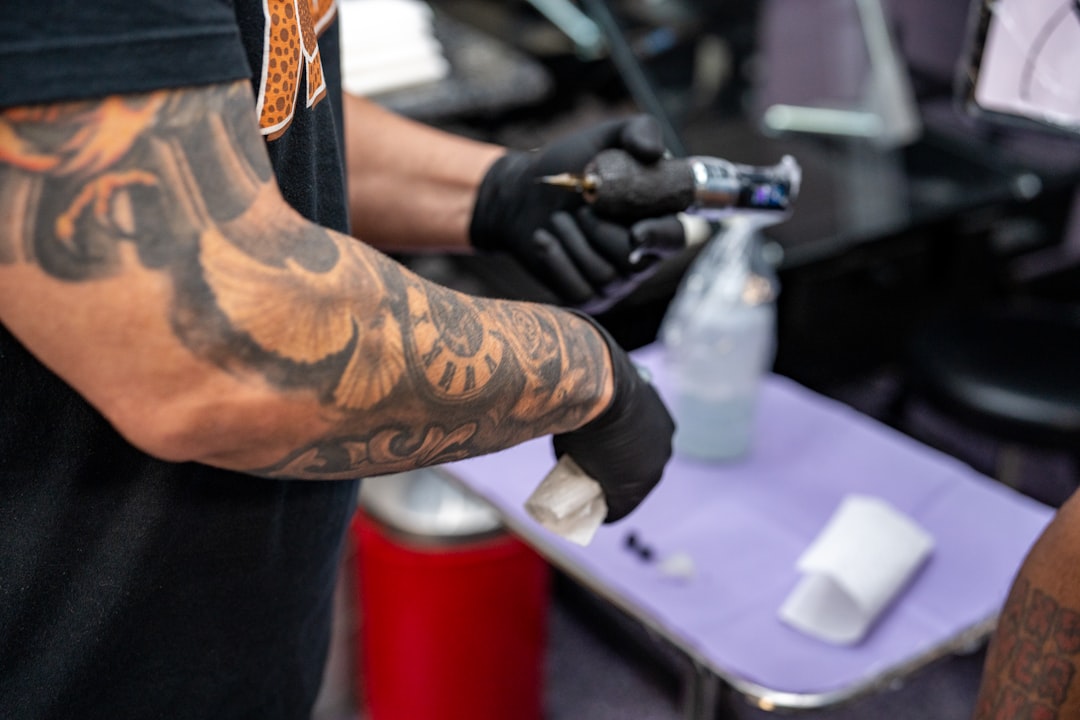
Studio etiquette starts before you even sit down. Show up on time, respect the space, and be clear with your artist about your design preferences. Artists who are experienced with handling booking requests appreciate clients who come prepared and communicative.
How to select the right artist and studio for your tattoo
Having prepared yourself, the next crucial step is finding the best artist and studio for your vision.
Not all tattoo artists work in all styles. Someone who specializes in fine line botanical designs isn’t the right fit for a bold traditional Japanese piece. Style matching is everything. When you find an artist whose natural work looks like what you want, you’re already halfway to a great result.
Here’s what to look for when evaluating an artist:
| What to check | Why it matters |
|---|---|
| Healed portfolio photos | Fresh tattoos look great on everyone; healed work shows true quality |
| Consistent style | Shows the artist has genuinely mastered that aesthetic |
| Studio cleanliness | Reflects professionalism and safety standards |
| Client reviews | Real feedback reveals communication and reliability |
Tips for choosing the right fit:
-
Browse artist portfolios and look specifically for healed results when available
-
Check out studio listings to compare locations, styles, and availability
-
Read Google and social media reviews for any repeated concerns
-
Ask if the studio uses single-use needles and an autoclave for sterilization
-
Sit on your idea for two to three weeks before committing, which helps confirm it’s truly what you want
When you reach out to an artist, be respectful of their time. Send a clear description of your idea, include reference photos, and specify the size and placement you have in mind. Artists appreciate clients who have done their homework.
During the session: Comfort, blood sugar, and etiquette
After selecting your studio, knowing how to behave and stay comfortable during your session can make it a positive experience.
The first thing most first-timers notice is that the sensation is different from what they imagined. Some spots feel like a cat scratch. Others are more intense. Either way, staying calm and breathing steadily helps your body manage the discomfort naturally.
Here’s a step-by-step guide to handling your session well:
-
Use the restroom before you start. Once you’re in the chair, interrupting the session is disruptive.
-
Communicate openly. If you need a break, just say so. Artists expect it.
-
Stay still. Moving unexpectedly can cause mistakes that are hard to fix.
-
Eat your snacks during breaks. Don’t wait until you feel dizzy.
-
Keep your energy up. Sip water throughout, especially during longer sessions.
-
Stay off your phone while the artist is working. It can cause you to shift or tense up.
Pro Tip: Check out session tips from tattoo artists who share real insights about what makes their clients most comfortable during appointments.
For sessions longer than two hours,
bring extra layers because your body temperature drops as you stay still, and that extra chill increases discomfort. Stable blood sugar also measurably reduces the risk of fainting during longer sessions.
Respectful behavior goes a long way too. Don’t bring a crowd of friends to your appointment unless you’ve asked in advance. Limit distractions and let your artist focus. Tattoo work is precise and detail-oriented, and your artist deserves a calm working environment.
Tattoo aftercare and healing timelines
Just as important as the session itself is what you do after. Proper aftercare ensures your tattoo heals beautifully and stays vibrant for years.
Here’s how to care for your new tattoo from day one:
-
Follow your artist’s bandage instructions. Standard wrap: remove after two to four hours. Film bandages like Saniderm stay on for 24 to 72 hours depending on your artist’s advice.
-
Wash gently. Use a fragrance-free soap two to three times per day. Pat dry with a clean paper towel. Never rub.
-
Moisturize with a thin layer of unscented lotion or ointment. Avoid petroleum jelly, which can pull ink from healing skin.
-
Do not pick, scratch, or peel any flaking skin. Flaking is normal between days 3 and 14 and part of healthy healing.
-
Avoid sun, swimming, soaking, and tight clothing over the tattoo for at least two to four weeks.
What to avoid during healing:
-
Direct sunlight on the tattoo
-
Swimming pools, hot tubs, and baths
-
Picking or scratching itchy skin
-
Tight fabrics that rub the area
-
Petroleum-based products on the tattoo
Healing timeline at a glance:
The surface layer of your skin heals in two to four weeks, but full healing down to the deeper skin layers can take two to six months. If you notice worsening redness, pus, or develop a fever, those are signs of infection and you should seek medical attention right away.
For long-term care, apply SPF 30 or higher sunscreen daily to tattooed skin. Sun exposure is the primary cause of tattoo fading over time. Keeping your skin hydrated daily also preserves color and line quality as the years go on. You can find helpful aftercare guidance from experienced artists who know what works.
What most first-timers get wrong about tattoo preparation
Now that you know the standard advice, here’s what most guides and first-timers miss entirely.
The biggest mistake? Skipping the meal. People underestimate how physically demanding a tattoo session is on the body, especially first-timers whose adrenaline spikes early and then drops. That crash is what sends people lightheaded into the floor, not the needle itself.
The second most common error is misunderstanding aftercare products. A lot of people reach for thick petroleum-based ointments because they think more moisture equals better healing. But a thin layer of unscented lotion is actually more effective. Heavy products suffocate the skin and can drag pigment out during healing.
Another thing people routinely overlook is the bandage timing. If your artist uses a traditional wrap, the two-to-four-hour window matters. But if they use a second-skin film like Saniderm, the rules are completely different. Don’t assume one set of instructions covers all techniques. Ask your artist specifically what they recommend.
And here’s the one thing almost no one talks about: the long game. Most people put serious effort into aftercare for the first week, then drift away from it entirely. But your tattoo is still healing beneath the surface for months. Daily moisturizing and consistent sun protection during that window is what separates a tattoo that still looks crisp in ten years from one that fades and blurs. Find expert tips for tattoo sessions that cover both the short-term and long-term picture.
Studio etiquette also catches people off guard. Walking in without a clear idea, bringing multiple uninvited guests, or trying to haggle on pricing all create friction that starts your relationship with your artist on the wrong foot. Come prepared, be direct, and treat the space with respect.
Find the perfect artist and book your tattoo session
With your prep knowledge, it’s easy to start your tattoo journey with the right support.
Ink Link makes it simple to research, connect, and book with confidence. Whether you’re still figuring out your style or you know exactly what you want, you can explore tattoo studios near you and compare real portfolios before you ever send a message.
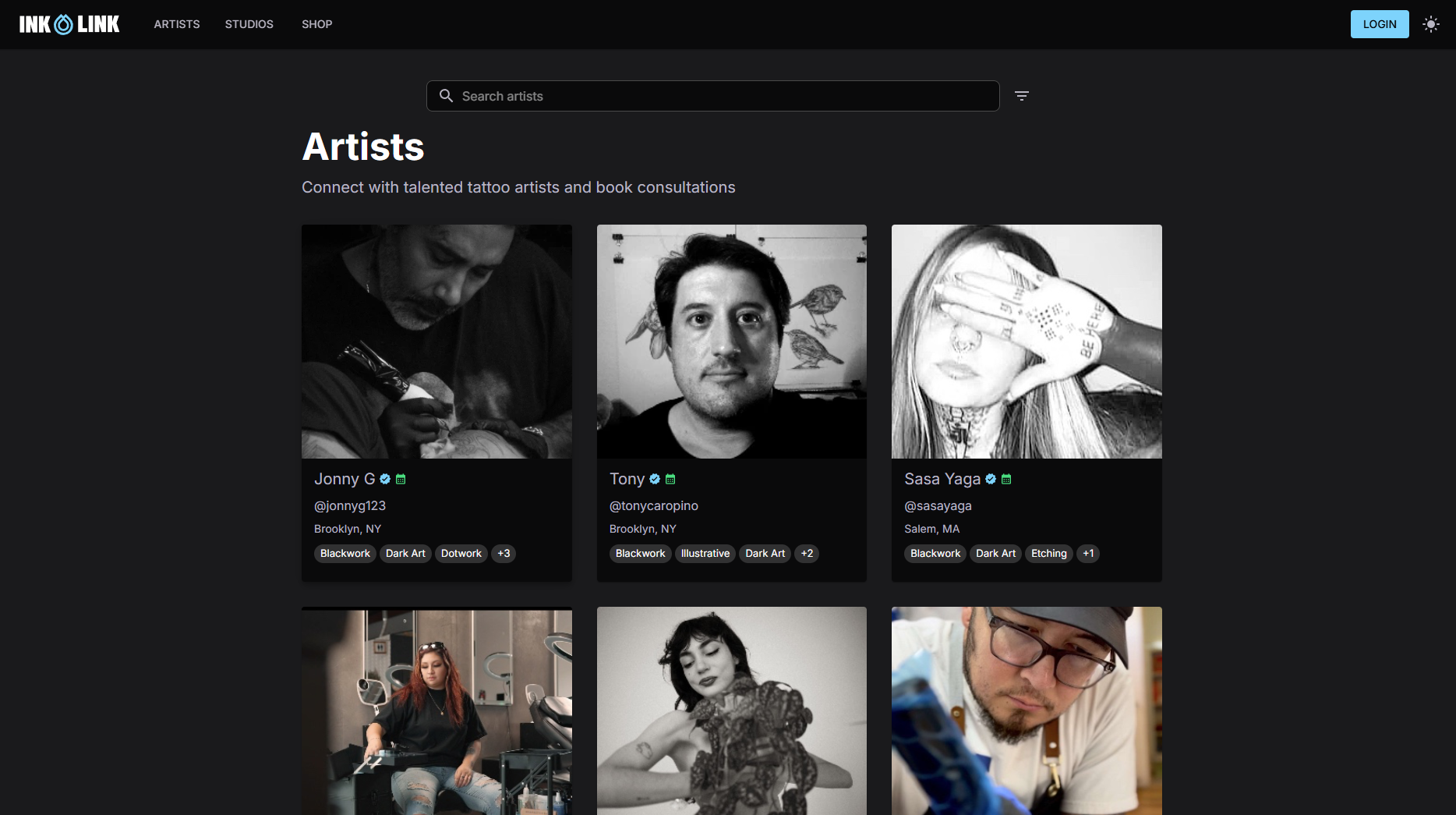
You can also browse tattoo artists across a wide range of styles, view their available booking times, and reach out directly through the platform. No chasing DMs or waiting weeks for a response. For first-timers especially, having everything organized in one place takes a lot of stress off the table and lets you focus on the fun part: getting the tattoo you’ve been thinking about.
Frequently asked questions
How early should I eat before a tattoo session?
Eat a protein-rich meal one to two hours before your appointment to maintain steady energy and blood sugar throughout the session.
What should I avoid before getting a tattoo?
Avoid alcohol, aspirin, and caffeine before your tattoo session, as these can thin your blood, increase sensitivity, or affect how well you heal.
How long does a tattoo take to heal?
Surface healing takes two to four weeks, while full healing can take up to six months depending on the size and location of the tattoo.
Can I go swimming after getting a tattoo?
Avoid swimming and soaking for at least two to four weeks after getting your tattoo to protect against infection and color loss.
What is the best way to keep my tattoo looking vibrant long-term?
Apply SPF 30+ daily to tattooed skin and keep it moisturized to prevent fading and preserve line quality over time.