Advantages of Organized Bookings for Tattoo Studios
TL;DR:
- Organized booking systems reduce no-shows and improve cash flow through automatic deposits and reminders. They also enhance artist productivity by aligning complex work with peak energy hours and eliminate scheduling errors with centralized data.
Organized booking is a systematized approach to scheduling, managing, and confirming client appointments through a centralized platform rather than through scattered texts, DMs, or paper logs. For tattoo studios, the advantages of organized bookings go well beyond a tidy calendar. They directly affect revenue, artist focus, client satisfaction, and the long-term reputation of your studio. Platforms like Ink link give artists and studios a single place to manage appointments, payments, and client records. Structured daily routines reduce mental fatigue and are linked to a 38% lower risk of depression and a 33% lower risk of anxiety in professional settings. That finding applies directly to how you run your studio day.
1. Advantages of organized bookings: fewer no-shows and stronger cash flow
No-shows are one of the most damaging problems a tattoo studio faces. A missed appointment means lost artist time, an empty chair, and zero revenue for that slot. Online-booked appointments show a 1.8% no-show rate compared to 5.9% for traditional phone or walk-in bookings. That difference is significant when you multiply it across a full week of appointments.
Automated booking systems address this problem through two core mechanisms: prepayment requirements and automated reminders. When a client books through a platform like Ink link, they can be required to pay a deposit at the time of booking. That deposit creates a financial commitment that makes canceling feel costly. Automated reminders sent via email or SMS then keep the appointment top of mind without requiring any manual effort from your front desk or artists.
Mobile-friendly booking pipelines protect studio time and enforce deposit policies without manual oversight. Clients can confirm, reschedule, or cancel through their phone, which reduces the friction that leads to silent no-shows.
Key features that combat no-shows and payment issues:
-
Automated deposit collection at the time of booking
-
SMS and email reminders sent 48 and 24 hours before appointments
-
Easy client self-service rescheduling to reduce last-minute cancellations
-
Deposit forfeiture rules for late cancellations
-
Digital records of all payment confirmations and booking history
Pro Tip: Set your deposit at a minimum of 20% of the estimated session cost. That amount is high enough to deter no-shows but low enough that clients do not hesitate to book.
2. How organized scheduling boosts artist productivity
Artist productivity in a tattoo studio is not just about how fast someone can tattoo. It is about protecting the mental and physical energy required to produce quality work consistently. Cognitive performance fluctuates 15–30% throughout the day, and aligning your booking schedule with those natural energy peaks directly improves the quality of work your artists produce.

Most tattoo artists do their best work in the morning or early afternoon, when focus is sharpest and hands are steadiest. Booking complex, large-scale pieces during those peak hours and scheduling consultations, touch-ups, or admin tasks during lower-energy periods is a practical application of energy-based scheduling. This is not a vague productivity concept. Energy-based scheduling improves output quality by 15–30% by matching demanding work to peak cognitive periods.
The hidden cost of disorganized scheduling is what researchers call the “switching tax.” Every time an artist shifts from a creative task to an administrative one, like answering a booking inquiry mid-session, they lose focus and recovery time. Centralized booking removes that interruption by handling inquiries, confirmations, and reminders automatically.
Pro Tip: Block your two highest-energy hours each morning for your most complex tattoo work. Use your booking platform to mark those slots as unavailable for consultations or short appointments.
3. How organized booking systems improve client communication
Clear, consistent communication is what separates a studio clients return to from one they forget. Organized booking systems create a single source of truth where messages, deposits, design preferences, and appointment details all live in one place. Fragmented systems cause errors and lost time that cost studios hours every week and leave clients feeling uncertain about their appointments.
When a client books through a centralized platform, they receive automatic confirmation with all the details they need: date, time, artist name, deposit amount, and pre-appointment care instructions. That single confirmation eliminates the back-and-forth that typically happens over Instagram DMs or text messages. Centralized booking reduces manual data entry and ensures artists have accurate client information ready before the session begins.
“Scheduling is a communication tool that ensures all stakeholders are aligned, saving time previously lost on manual data re-entry.” — Wrike
Clients who feel informed and prepared arrive calmer and more confident. That directly improves the tattooing experience for both the client and the artist. Automated booking systems reduce anxiety by converting unconfirmed appointments into clear, scheduled commitments.
Communication tasks that organized booking platforms handle automatically:
-
Booking confirmation emails with appointment details and deposit receipts
-
Pre-appointment care instructions sent 48 hours before the session
-
Reminder messages at 24 hours and the morning of the appointment
-
Post-appointment follow-up messages with aftercare guidance
-
Review or rebooking prompts sent one week after the session
4. Manual vs. automated booking: which one actually works?
Manual booking methods, including paper logs, spreadsheets, and phone calls, create a predictable set of problems. Double bookings happen when two people call at the same time. Client preferences get lost between a sticky note and a text thread. Payment records live in three different places. The result is wasted staff time, frustrated clients, and inconsistent revenue.
Automated booking systems eliminate those failure points by centralizing every step of the process. The comparison below shows the operational difference clearly.
| Criteria | Manual booking | Automated booking |
|---|---|---|
| Double-booking risk | High, especially during busy periods | Eliminated by real-time calendar sync |
| Staff time per appointment | 10–20 minutes of admin per booking | Under 2 minutes with automated workflows |
| Client satisfaction | Inconsistent, depends on staff availability | Consistent, 24/7 self-service access |
| Payment reliability | Prone to missed deposits and errors | Enforced at booking with digital records |
| No-show rate | Up to 5.9% with traditional methods | As low as 1.8% with online booking |
| Data accuracy | Low, manual entry creates errors | High, single source of truth |
| Scalability | Breaks down as studio grows | Scales with team size and booking volume |
Scheduling tools align all stakeholders and reduce time lost on re-keying data. For a studio with multiple artists, that alignment is the difference between a smooth day and a chaotic one.
The right automated booking system for a tattoo studio needs to handle deposits, support portfolio browsing, and allow clients to choose their specific artist. Generic appointment tools built for salons or medical offices often miss those requirements. Ink link is built specifically for tattoo artists and studios, which means the features match the actual workflow of a tattoo business rather than forcing artists to adapt to a generic tool.
5. Marketing opportunities and data insights from organized bookings
Organized booking systems do more than manage appointments. They generate data and create marketing opportunities that manual systems cannot. Every completed booking is a data point: which artist is most popular, which time slots fill fastest, which services generate the most revenue, and which clients return most often.
Organized booking systems enable upselling and cross-selling by integrating marketing reminders directly into scheduling workflows. A client booking a sleeve session can be shown add-on options like a touch-up package or aftercare products at the time of booking. That integration creates additional revenue without requiring any extra sales effort from your artists.
The data side is equally valuable. When you can see that your Friday afternoon slots fill within hours while your Tuesday mornings sit empty, you can adjust pricing, run promotions, or shift artist schedules to match actual demand. That kind of decision-making requires organized data, which only a centralized booking system can provide.
Operational and emotional benefits beyond scheduling:
-
Client history records that help artists prepare personalized sessions
-
Analytics showing peak booking times and most requested styles
-
Automated rebooking prompts that increase client retention
-
Reduced decision fatigue for artists who no longer manage their own admin
-
More time for creative work, client consultation, and portfolio development
-
Staff stress reduction through predictable, well-organized workdays
Structured routines lower the risk of anxiety by 33% in professional settings. For tattoo artists who already carry the physical and creative demands of their craft, removing administrative chaos from their day has a real impact on wellbeing and job satisfaction.
6. How to choose the right booking system for your studio
Not every booking platform fits a tattoo studio’s needs. The right system must support portfolio browsing so clients can choose an artist based on their actual work. It needs to handle deposits natively, not as a workaround. It should offer calendar management for multiple artists and allow clients to book 24/7 without requiring staff involvement.
Generic tools built for restaurants or medical offices lack tattoo-specific features like flash browsing, style filtering, and artist-specific availability. Studios that use those tools end up building workarounds that reintroduce the manual effort they were trying to eliminate. That defeats the purpose of organized booking entirely.
Ink link is built specifically for the tattoo industry. Artists on the platform manage their portfolios, set their own availability, collect deposits, and communicate with clients through one place. Studios manage shared calendars, team bookings, and payments without juggling multiple tools. The Ink link artists directory shows how individual artists use the platform to present their work and manage their schedules professionally.
Studios like Old Traditions Tattoo Parlor use Ink link to manage their full booking workflow, from client discovery through to payment. That kind of end-to-end management is what separates a studio running on organized systems from one still relying on DMs and spreadsheets.
Pro Tip: Before switching platforms, audit your current booking process for one week. Count how many minutes per day go to manual admin tasks. That number will tell you exactly how much time an organized system can give back to your artists.
Key takeaways
Organized booking systems are the single most effective operational change a tattoo studio can make to reduce no-shows, protect artist focus, and build a consistent client experience.
| Point | Details |
|---|---|
| No-shows drop with online booking | Online-booked appointments show a 1.8% no-show rate vs. 5.9% for traditional methods. |
| Energy-based scheduling improves output | Aligning complex sessions with peak cognitive hours improves artist output quality by 15–30%. |
| Centralized data prevents costly errors | A single source of truth for messages, deposits, and schedules eliminates double-bookings and lost information. |
| Automated communication builds client trust | Confirmation emails, reminders, and aftercare follow-ups run without manual effort and reduce client anxiety. |
| Booking data drives smarter decisions | Analytics from organized systems reveal demand patterns that help studios price, promote, and schedule more effectively. |
Why I think most tattoo studios are leaving money on the table
I have watched a lot of talented artists run genuinely great studios while losing real money to preventable problems. A client no-shows on a Saturday afternoon and that slot is gone. An artist spends 45 minutes before opening answering booking DMs instead of preparing for the day. A deposit never gets collected because the conversation moved to a different platform and nobody followed up.
None of those problems require more talent or harder work to fix. They require better systems. The artists I have seen thrive operationally are not necessarily the most technically gifted. They are the ones who treat their studio like a business and protect their time accordingly.
What surprised me most when I started paying attention to this was how much the organizational side affects the creative side. When an artist is not mentally carrying five unconfirmed appointments and three unanswered deposit requests, they show up to each session with more focus. The work gets better. Clients notice. Reviews improve. Rebooking rates go up.
The resistance I hear most often is that systems feel constraining for creative people. That framing gets it backwards. A well-organized booking process does not limit your creative freedom. It protects the time and mental space where that freedom actually lives. Using a platform like Ink link to handle the booking requests and deposits side of your business is not giving up control. It is reclaiming the hours you were spending on admin and putting them back into your art.
— Matthew
Ink link makes organized booking work for tattoo studios
Running a tattoo studio means balancing creative work with real business demands. Ink link is built specifically for that balance, giving artists and studios the tools to manage appointments, collect deposits, and communicate with clients without the friction of generic booking software.
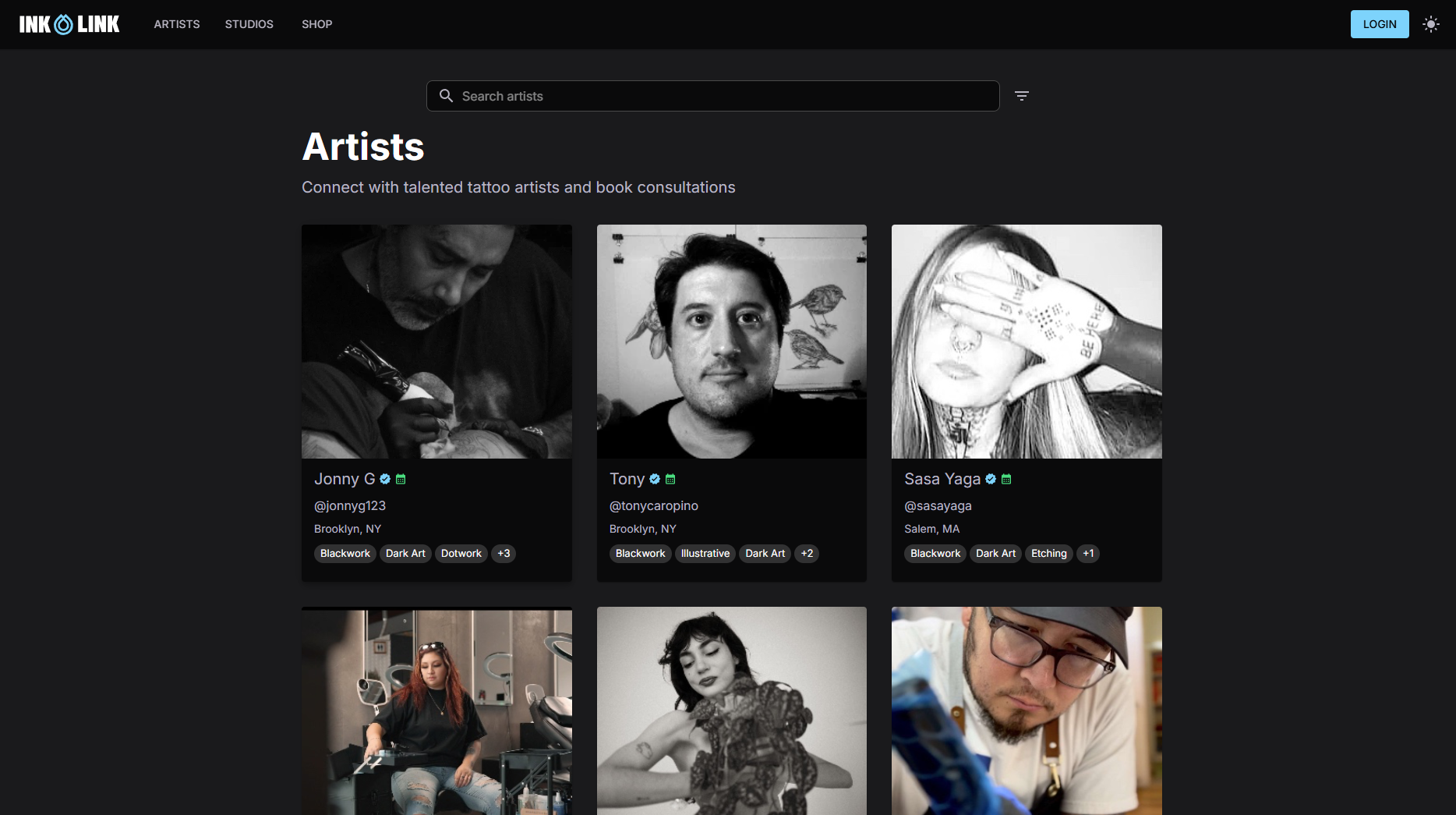
Studios on Ink link get a centralized platform where clients can browse portfolios, choose their artist, and book appointments at any hour. Artists manage their own availability, payment settings, and client records in one place. Whether you run a solo practice or a multi-artist studio, Ink link fits the way tattoo businesses actually operate. Explore studios using Ink link to see organized booking in action, or visit myinklink.io to get your studio set up.
FAQ
What are the main advantages of organized bookings for tattoo studios?
Organized bookings reduce no-shows, enforce deposit collection, protect artist focus time, and create a consistent client experience. Studios using automated booking systems see no-show rates drop from 5.9% to as low as 1.8%.
How does an organized booking system reduce no-shows?
Automated reminders and upfront deposit requirements create financial and logistical commitment from clients. Online-booked appointments have a no-show rate of 1.8% compared to 5.9% for traditional booking methods.
Can organized booking systems help with artist productivity?
Yes. Cognitive performance varies by 15–30% throughout the day, and scheduling complex sessions during peak energy hours directly improves tattoo quality and artist focus. Centralized booking also removes the admin interruptions that break creative concentration.
What should a tattoo studio look for in a booking platform?
Look for a platform that handles deposits natively, supports portfolio browsing, allows artist-specific scheduling, and automates client communication. Generic tools built for other industries often lack these tattoo-specific features.
How does organized booking improve client communication?
A centralized booking system sends automatic confirmations, pre-appointment instructions, and reminders without manual effort. That consistency reduces client anxiety and ensures every client arrives informed and prepared for their session.