7 ways to improve tattoo studio workflow in 2026

TL;DR:
Implementing clear SOPs and checklists ensures consistency, safety, and compliance.
Streamlining booking and inventory management reduces wasted time and cuts costs.
Regular quarterly reviews and using integrated tools boost staff efficiency and studio growth.
Running a tattoo studio takes more than raw artistic talent. Even seasoned artists lose hours every week to scheduling chaos, supply shortages, and unclear routines that slow everything down. The good news? You don’t need a complete overhaul to see real results. A handful of focused, practical changes can transform a stressful shop into a place where creativity flows and clients leave happy. This guide walks you through seven proven strategies to sharpen your studio workflow, reduce burnout, and keep your books full.
Table of Contents
Key Takeaways
| Point | Details |
|---|---|
| Standardize daily routines | Checklists and SOPs set the foundation for consistency and safety in tattoo studios. |
| Automate booking tasks | Digital booking systems save time and minimize communication errors. |
| Track inventory and save | Proactive tracking and multiple suppliers can reduce annual supply costs significantly. |
| Review processes quarterly | Regular check-ins keep workflows efficient and compliant with standards. |
Define and document studio SOPs
With the importance of a strong workflow established, the best place to start is formalizing daily routines. Standard operating procedures, or SOPs, are written step-by-step instructions for recurring tasks. They remove guesswork, protect clients, and keep your studio legally compliant.
Think about how much mental energy goes into remembering every step of your sterilization process or your end-of-day cleanup. SOPs take that burden off your brain and put it on paper, or a screen, where anyone on your team can reference it instantly.
Here’s a simple framework to get started:
-
List every repeating task in your studio, from opening the shop to breaking down a station after a session.
-
Write each procedure step by step, using plain language anyone can follow.
-
Turn procedures into checklists so staff can check off tasks in real time.
-
Post checklists visibly at each station and near the front desk.
-
Train every team member on the procedures before they work independently.
According to best practices for tattoo shops, SOPs and daily checklists for opening and closing, station setup and breakdown, and sterilization ensure consistency and compliance across your entire team. A solid studio preparation checklist also helps new artists get up to speed faster without constant supervision.
Review your SOPs every quarter. Regulations change, products change, and your team’s needs evolve. A procedure that worked six months ago might be outdated today.
Pro Tip: Laminate your most critical checklists and attach them directly to each station. That way they’re always visible and won’t get buried under paperwork.
Streamline booking and client communications
Once daily shop routines are standardized, managing bookings and communications becomes the next workflow lever. Disorganized booking is one of the top sources of wasted time in tattoo studios. Phone tag, missed messages, and unclear deposit policies create friction for both you and your clients.
A digital booking platform centralizes everything. Appointments, client details, deposit tracking, and messages all live in one place. This alone can save several hours per week.
Here’s what a streamlined booking process looks like:
-
Collect key information upfront: style preference, placement, size, skin tone, reference images, and any medical considerations.
-
Set clear deposit policies and communicate them before confirming any appointment.
-
Automate confirmation emails and reminders so clients get a nudge 48 hours before their session.
-
Send pre-visit instructions covering aftercare prep, what to eat, and what to wear.
-
Use digital consent forms that clients complete before arriving, saving chair time.
If you’re still figuring out how to handle the intake side of things, our guide to handling booking requests covers deposits and policies in detail. And if your clients are new to the process, pointing them toward a resource like booking your first tattoo helps set expectations before they even walk through your door.
Pro Tip: Add a short FAQ section to your booking confirmation email. Answer the five questions clients ask most often. You’ll cut down on back-and-forth messages significantly.
Optimize inventory management and cut supply costs
Reliable booking is only part of the equation; efficient inventory systems also keep your studio running smoothly. Running out of a key ink color mid-week or overspending on supplies you don’t need both hurt your bottom line.
The goal is to know exactly what you have, what you need, and when to reorder.
| Supply Category | Par Level (minimum stock) | Reorder Trigger | Preferred Method |
|---|---|---|---|
| Inks | 2 bottles per color | Below 1 bottle | FIFO rotation |
| Needles | 50 units per gauge | Below 20 units | Bulk order |
| Gloves | 2 boxes per size | Below 1 box | Monthly order |
| Aftercare products | 10 units | Below 4 units | As needed |
| Transfer paper | 1 full pack | Below 20 sheets | Bulk order |
Key inventory habits to build:
-
Set par levels for every item so you always have a minimum quantity on hand.
-
Use FIFO (First-In, First-Out) rotation for inks and consumables to prevent waste from expired products.
-
Maintain a 30-day buffer on your most-used essentials to ride out supplier delays.
-
Work with 2 to 3 suppliers so you can compare prices and avoid single-source shortages.
-
Track monthly spending in a simple spreadsheet or inventory app.
Studios that optimize inventory with par levels and FIFO systems, using 2 to 3 suppliers, can cut supply costs by 10 to 20% on monthly spend that often runs between $5,000 and $10,000. That’s real money back in your pocket every year. To understand how platform and software costs fit into your overall budget, it helps to review your full expense picture alongside supply spending.
Pro Tip: Do a quick inventory count every Friday afternoon. It takes 15 minutes and prevents the Monday morning scramble when you discover you’re out of something critical.
Daily workflow: Station setup and breakdown efficiency
With inventory under control, the next opportunity lies in perfecting your minute-to-minute station routines. How you set up and break down your station directly affects how many clients you can see in a day and how stressed you feel doing it.
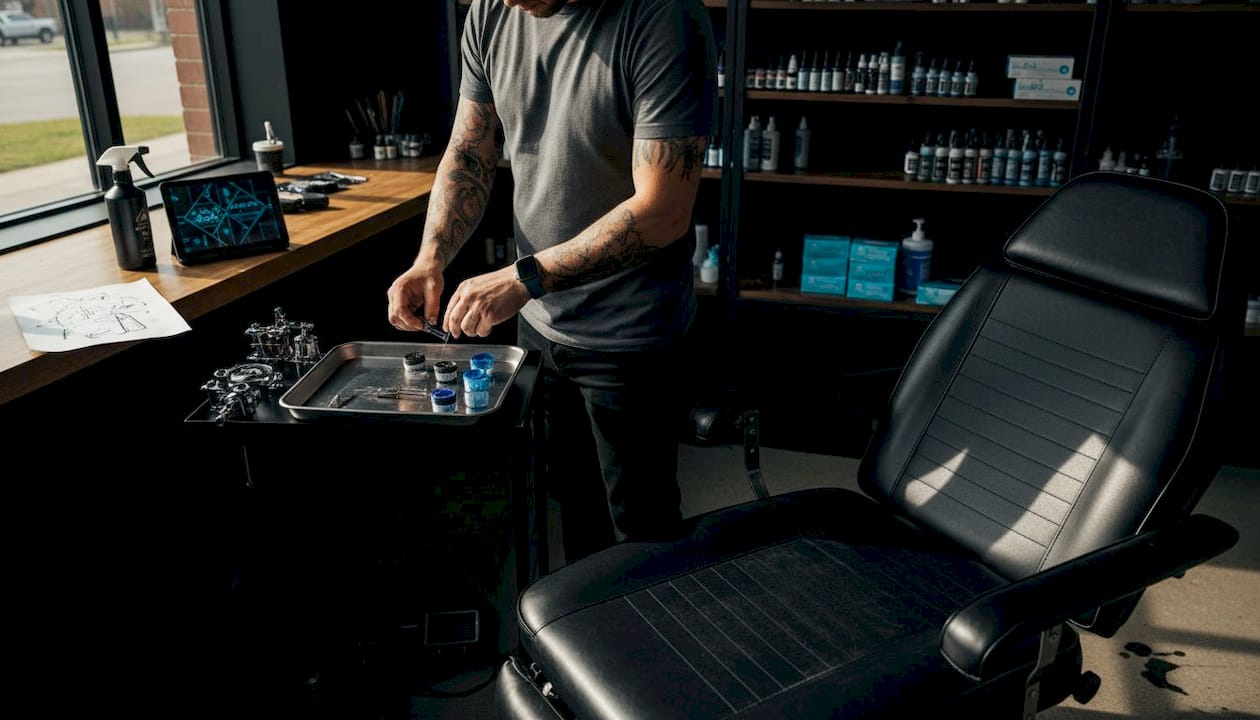
Efficient session planning steps start before the client sits down. Lay out everything you need for the day’s sessions each morning, grouped by appointment. Color-code or label trays for different procedure types so you’re never hunting for the right tool mid-session.
Here’s a comparison of solo versus team-based station management:
| Task | Solo Artist | Studio with Staff |
|---|---|---|
| Morning setup | Artist handles everything (30 min) | Assistant preps stations (15 min) |
| Between-client cleanup | Artist cleans and resets (10 min) | Assistant handles cleanup (5 min) |
| End-of-day breakdown | Artist alone (20 min) | Shared responsibility (10 min) |
| Sterilization tracking | Artist logs manually | Dedicated staff member logs |
The SOPs and daily checklists you created earlier plug directly into station routines. Assign a printed checklist to each station so the setup process is identical every single time. Studios like Old Traditions Tattoo Parlor demonstrate how consistent station workflows translate into a smooth client experience from the moment someone walks in.
Quarterly review and continuous improvement
With efficient systems in place, the final habit is ongoing review and improvement to keep your workflow sharp. Even the best procedures get stale. Regulations update. New products hit the market. Staff roles shift. A quarterly review keeps everything current.
Here’s what to cover in each review:
-
Ask staff what’s working and what creates friction in their daily routines.
-
Pull booking data to spot patterns: which days have the most no-shows, which artists are consistently overbooked, and where gaps appear.
-
Review inventory reports to identify waste or recurring shortages.
-
Check for updated health and safety regulations in your state or city.
-
Celebrate wins with your team, whether that’s a reduction in no-shows or a smoother opening routine.
Quarterly reviews of checklists and SOPs help ensure relevance and compliance as your studio grows and regulations evolve. Treat these reviews as a regular team meeting, not a crisis response. When your team sees that feedback actually leads to changes, they stay engaged and invested in making the shop run better.
Why most studios overlook the simple wins
Here’s something worth saying plainly: most tattoo artists are trained to obsess over their craft, not their operations. That’s not a criticism. It’s just how the industry works. Art schools and apprenticeships teach technique, style, and client interaction. Nobody sits you down and explains par inventory levels or SOP documentation.
The result is that many talented artists run chaotic studios not because they lack discipline, but because nobody ever showed them that operational basics matter just as much as the work itself. Studios that treat workflow seriously report less burnout and higher client satisfaction. That’s not a coincidence. When you’re not scrambling to find a needle gauge or chasing down a deposit, you have more mental energy for the actual tattoo.
The uncomfortable truth is that efficiency is a craft too. It requires the same attention and iteration that you bring to your art. Small improvements compound over time. Cutting five minutes off your station setup adds up to hours saved each month. Reducing no-shows by 20% through automated reminders directly increases your monthly revenue. Our booking guide for tattoo studios digs into how the right systems make this kind of improvement straightforward and sustainable.
The studios that consistently stand out aren’t just the ones with the most talented artists. They’re the ones where clients feel taken care of from the first message to the final touch-up.
Get the right tools to upgrade your tattoo workflow
If you’re ready to implement these workflow improvements, streamlined tools can accelerate your results. Managing SOPs, bookings, inventory notes, and client records across disconnected apps creates its own kind of chaos.
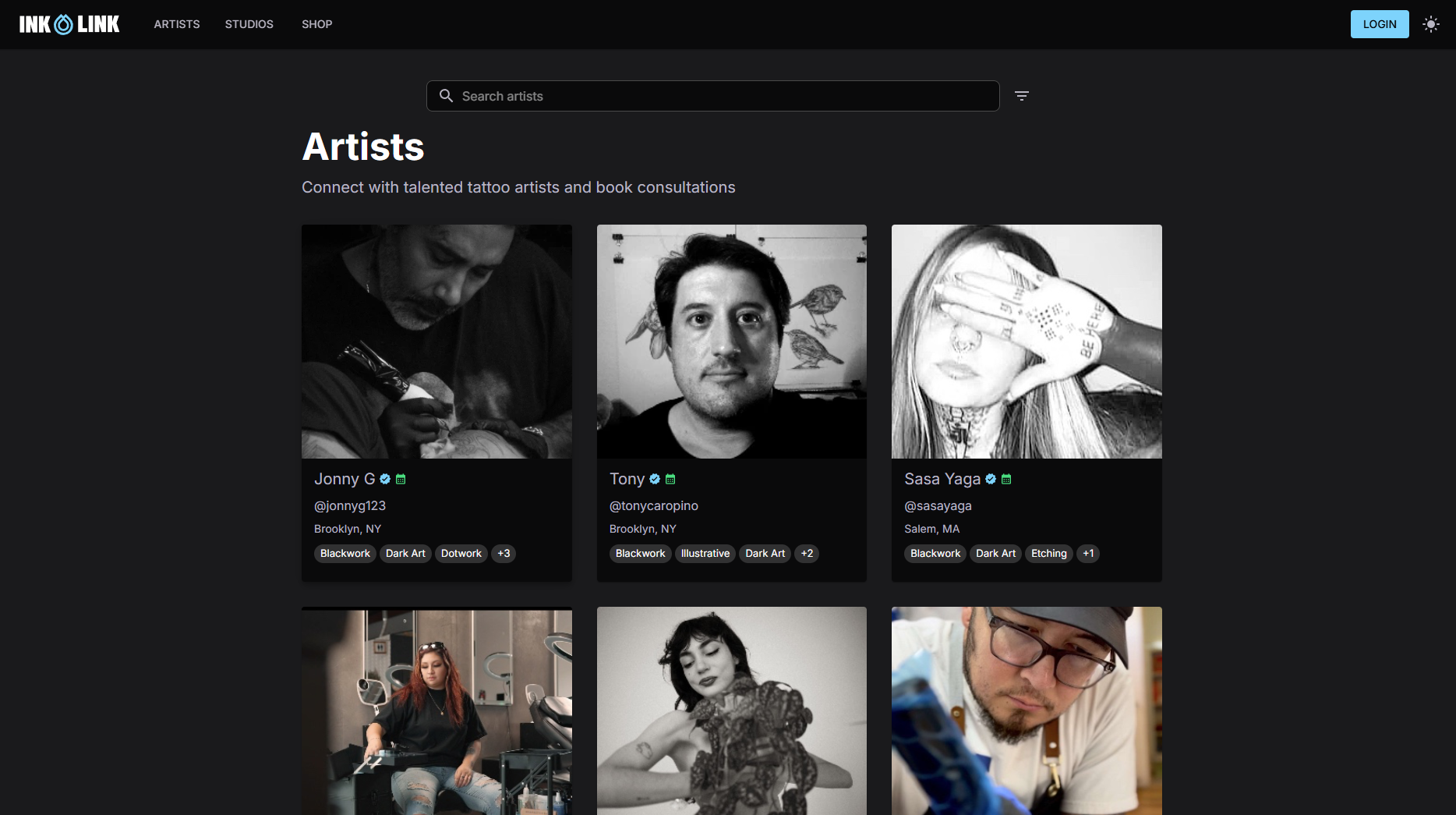
The Ink Link platform brings bookings, client management, payments, and calendars into one place so you spend less time on admin and more time doing what you love. You can browse studios already using Ink Link to see how other shops are structuring their operations, or find tattoo artists who are building efficient, client-friendly practices on the platform. Getting started is straightforward, and the tools are built specifically for how tattoo studios actually work.
Frequently asked questions
What is the single biggest workflow improvement for tattoo studios?
Implementing clear SOPs and daily checklists for every process creates the most consistent gains across safety, speed, and client experience. Everything else builds on that foundation.
How often should we review and update our shop processes?
Quarterly reviews every three months are ideal to spot inefficiencies, keep up with regulations, and maintain peak performance across your team.
What’s an easy way to cut supply costs without sacrificing quality?
Track inventory carefully, maintain a 30-day buffer on essentials, and use 2 to 3 suppliers. Studios that do this cut costs by 10 to 20% on monthly supply spend without dropping quality.
Should booking systems include automated reminders for clients?
Yes. Automated reminders sent 48 hours before an appointment significantly reduce no-shows and cancellations, and they require zero extra effort from your team once set up.
How do you introduce workflow changes without staff resistance?
Involve your staff in the review process and explain clearly how each change makes their daily work easier. People support changes they helped shape.